
Tracking on Foot: Reading the Invisible
on Jan 20, 2026There are times in the bush when everything appears still. The road lies undisturbed, the grass barely moving, the air heavy with the warmth of the rising sun. To the untrained eye, it can feel as though nothing has passed through this space for hours, even days. But to a ranger and tracker stepping onto the ground on foot, the landscape is alive with information.
Tracking is the art of reading what cannot be seen.
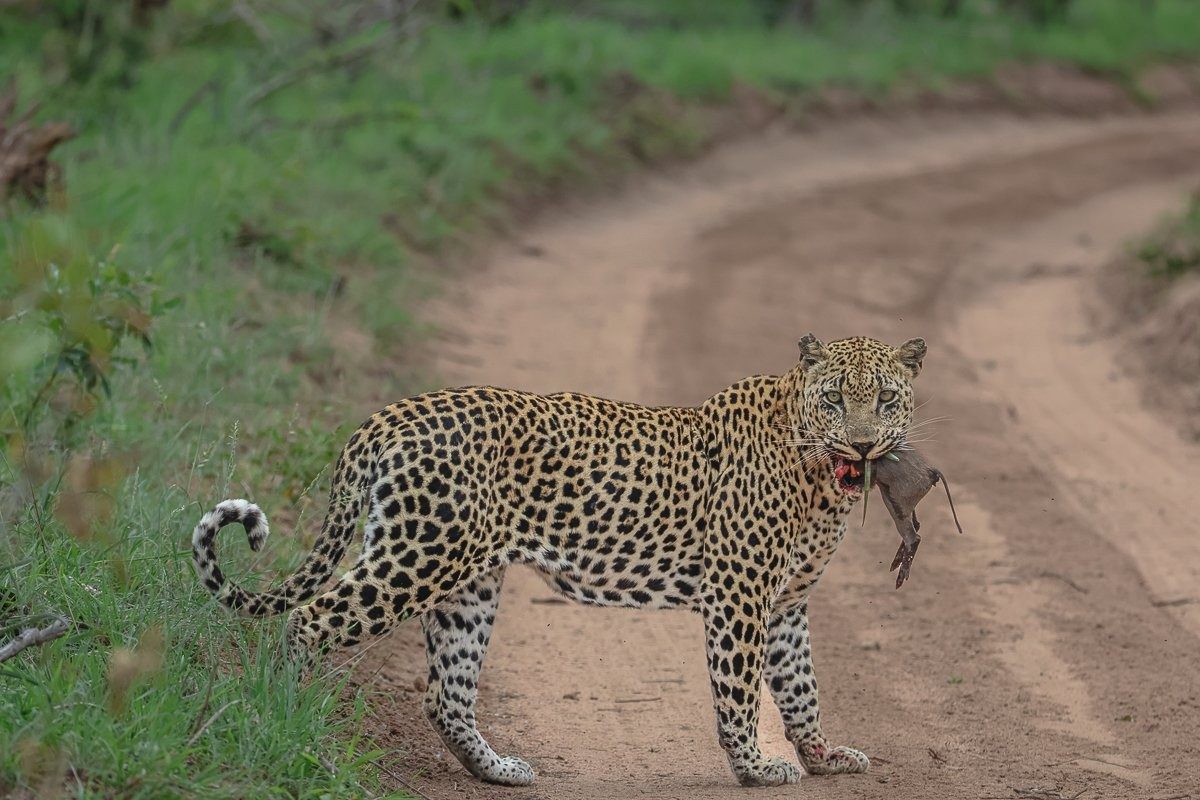
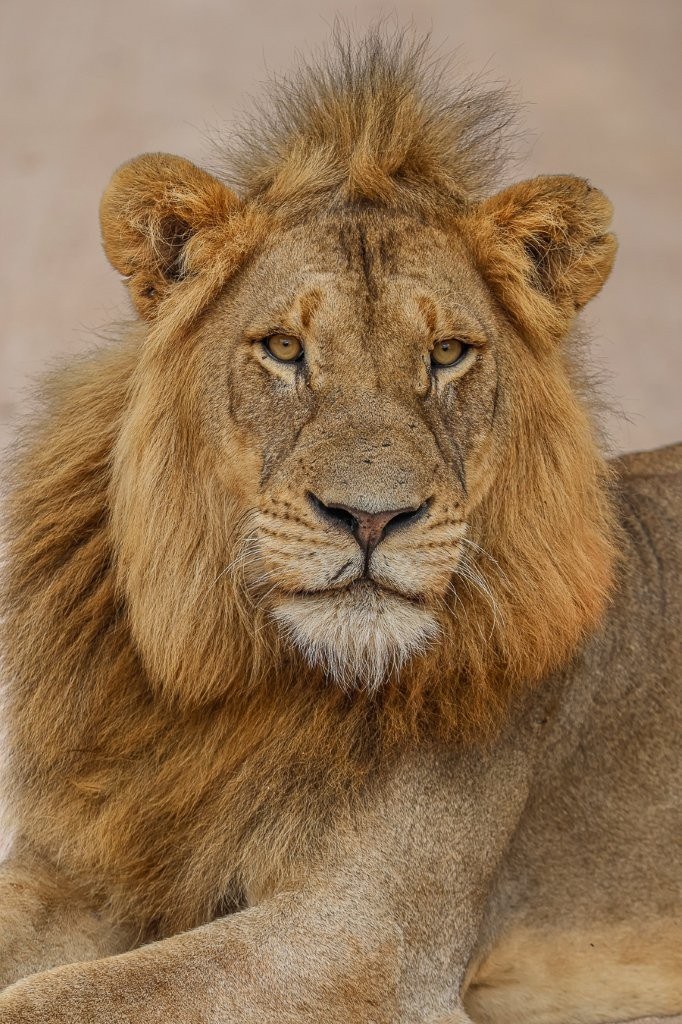
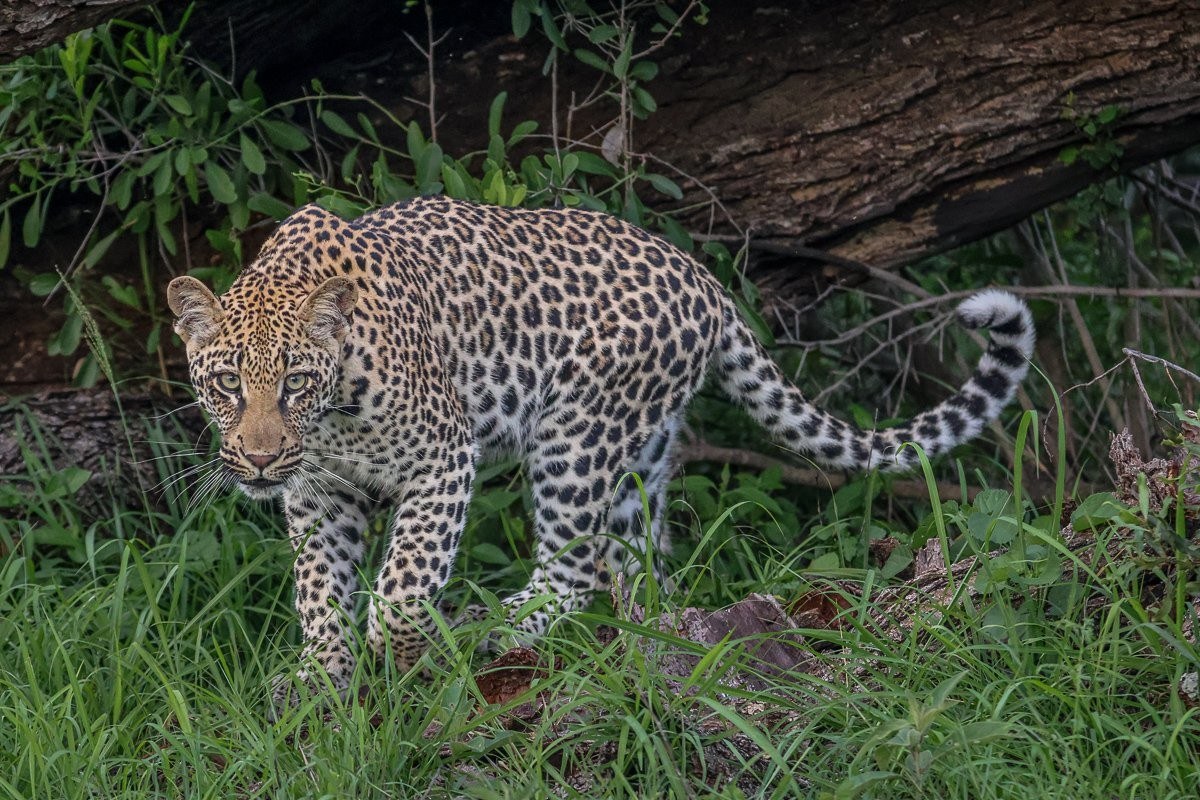
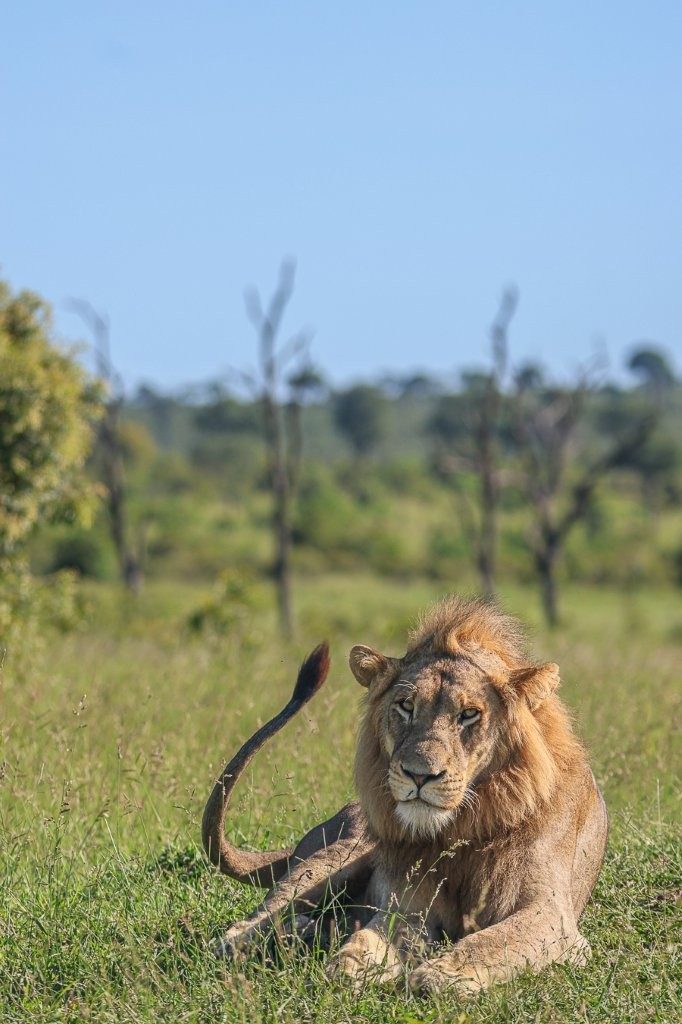
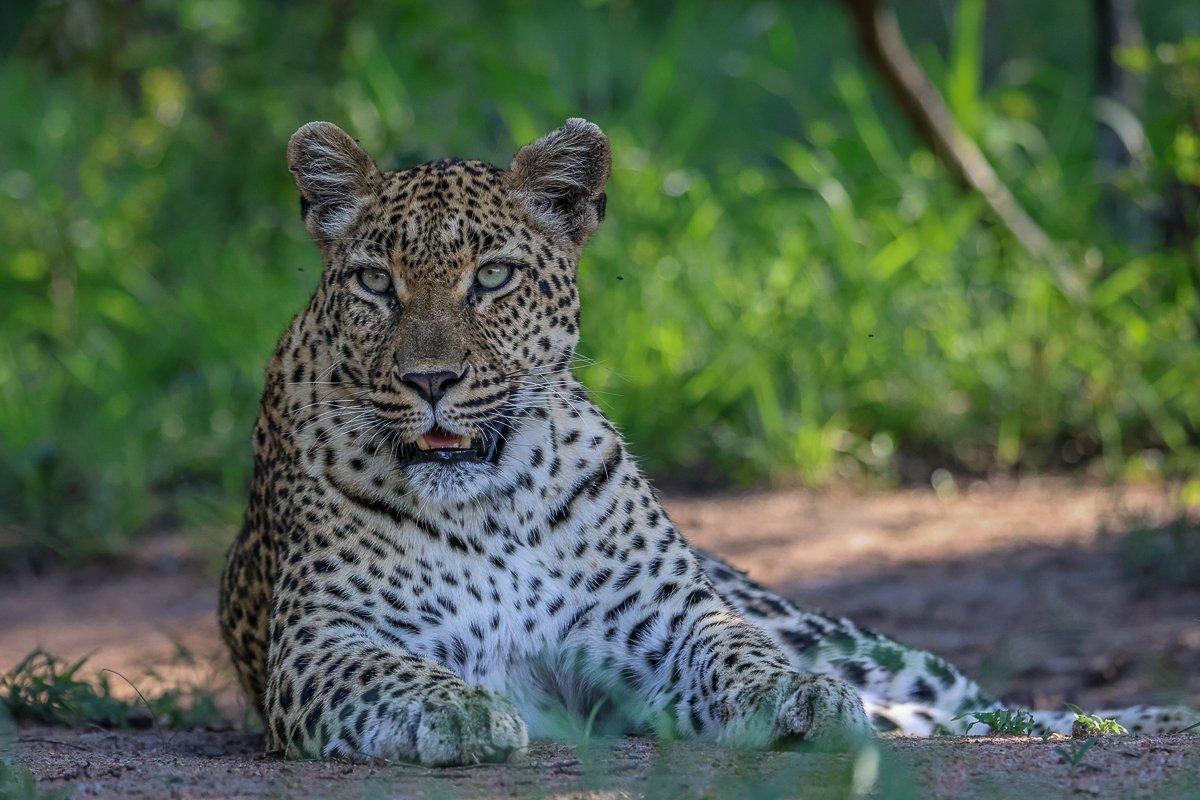
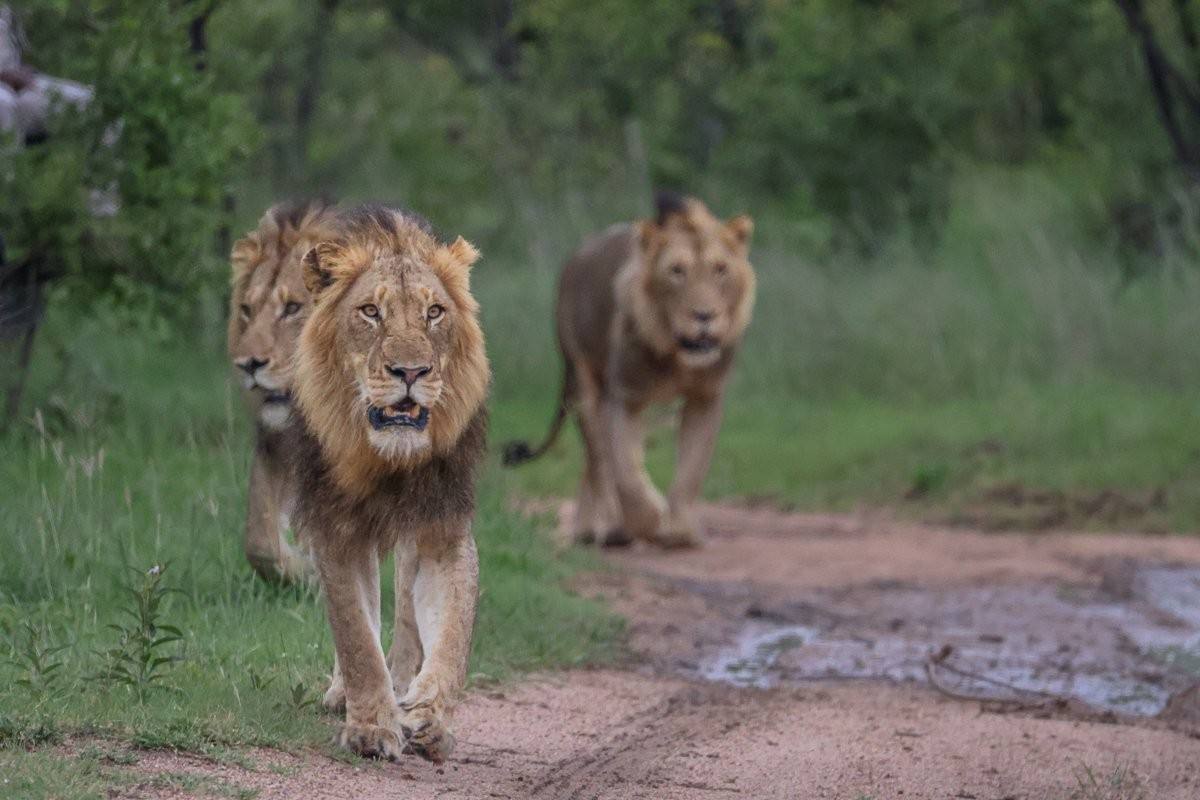
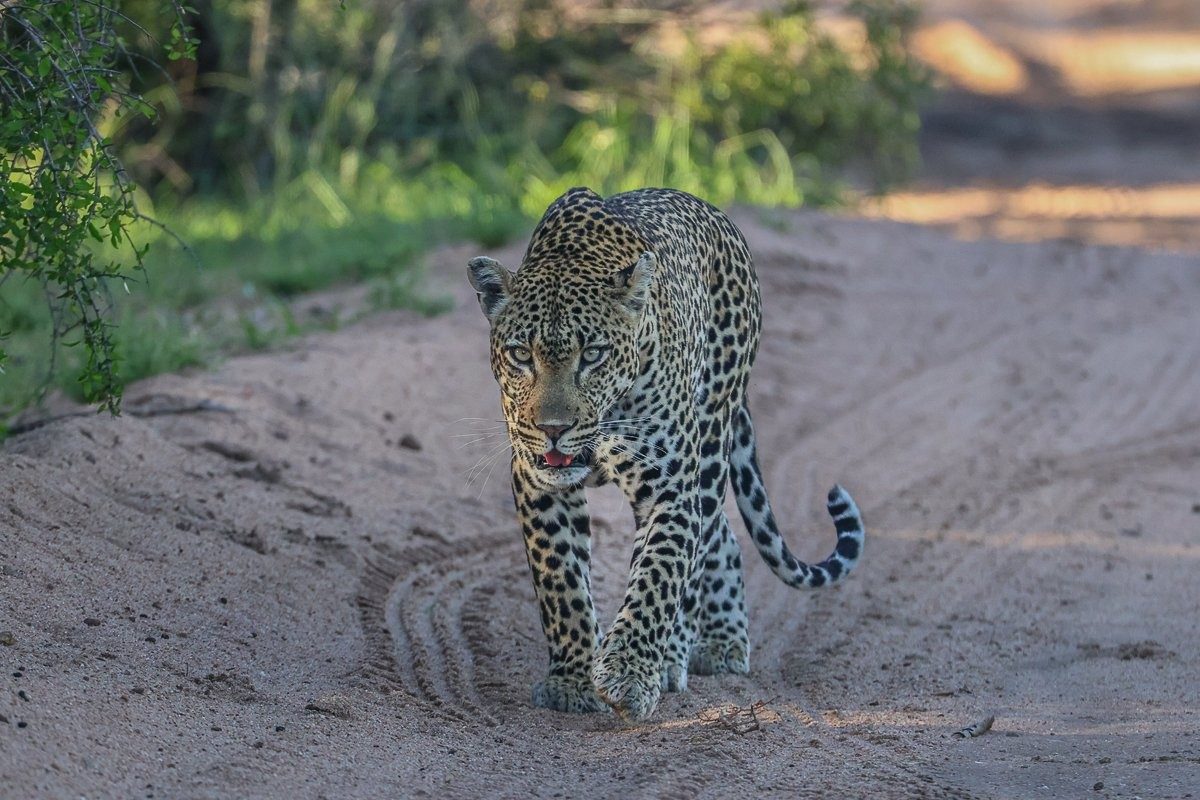
When we leave the vehicle and begin walking, our focus drops from the horizon to the sand beneath our feet. Every mark on the ground has meaning. A shallow indentation, barely visible unless the light hits it just right, may be the passing of a leopard during the early hours of the morning. A deeper, more defined print could belong to a lion moving with purpose, its weight pressing clearly into the earth.
Each species leaves behind a signature. A leopard’s tracks are rounded and neat, the toes forming a near-perfect arc. Often, the hind footsteps directly into the front footprint, a sign of an efficient energy-saving gait. Lions, larger and heavier, leave broader impressions, and you can often see where they paused, turned, or lay down briefly in the shade. Even the spacing between tracks tells a story, whether an animal was relaxed, hunting, or moving with urgency.
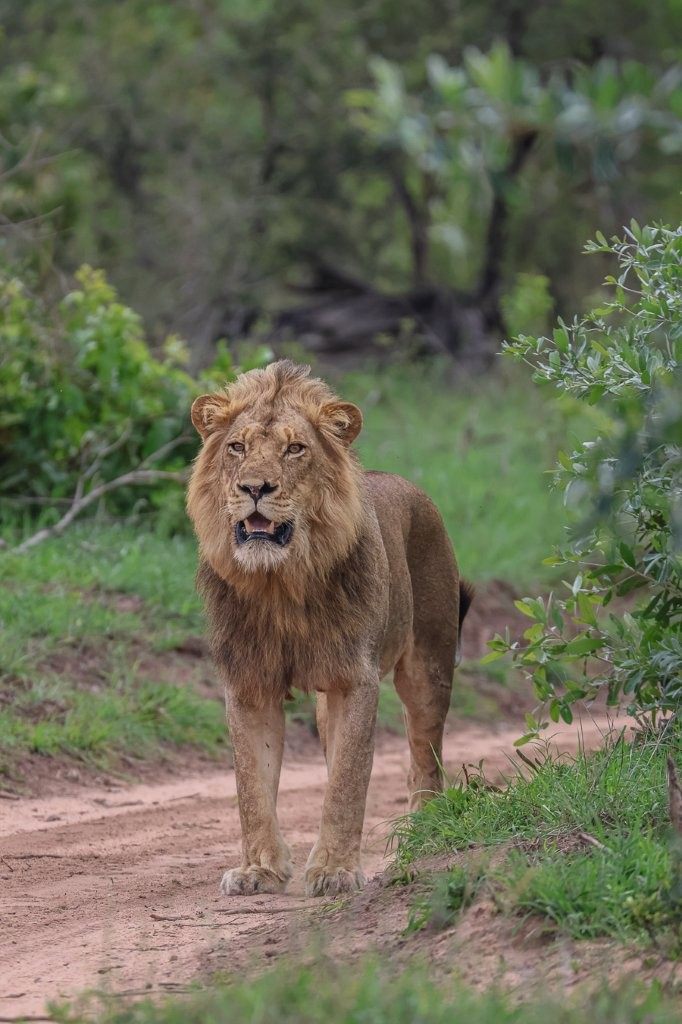
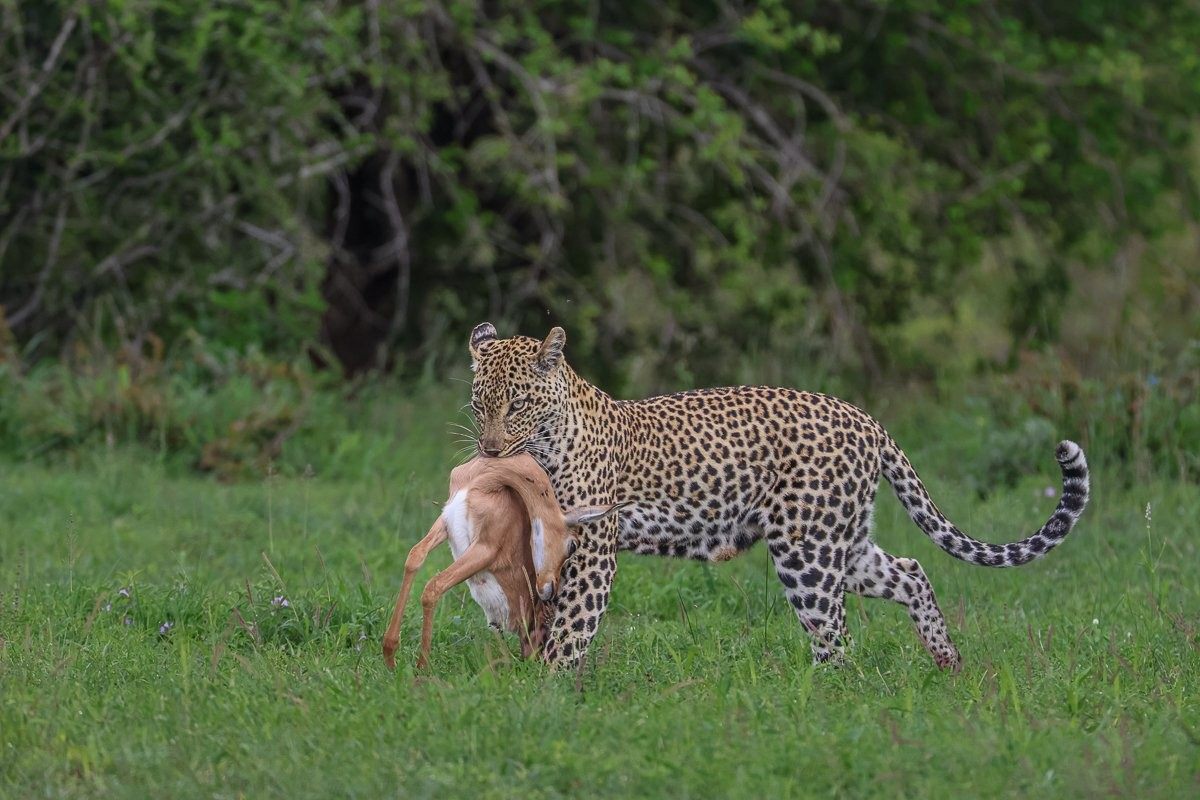
Time is one of the most important clues a tracker reads. Fresh tracks are crisp and sharp, their edges clearly defined. Early morning tracks often hold the coolness of the night, with fine grains of sand still undisturbed around them. As the day warms, shadows shorten, wind softens the edges, and insects slowly erase detail. By reading these subtle changes, we can tell whether an animal passed minutes ago or several hours before sunrise.
But tracking is never limited to footprints alone.
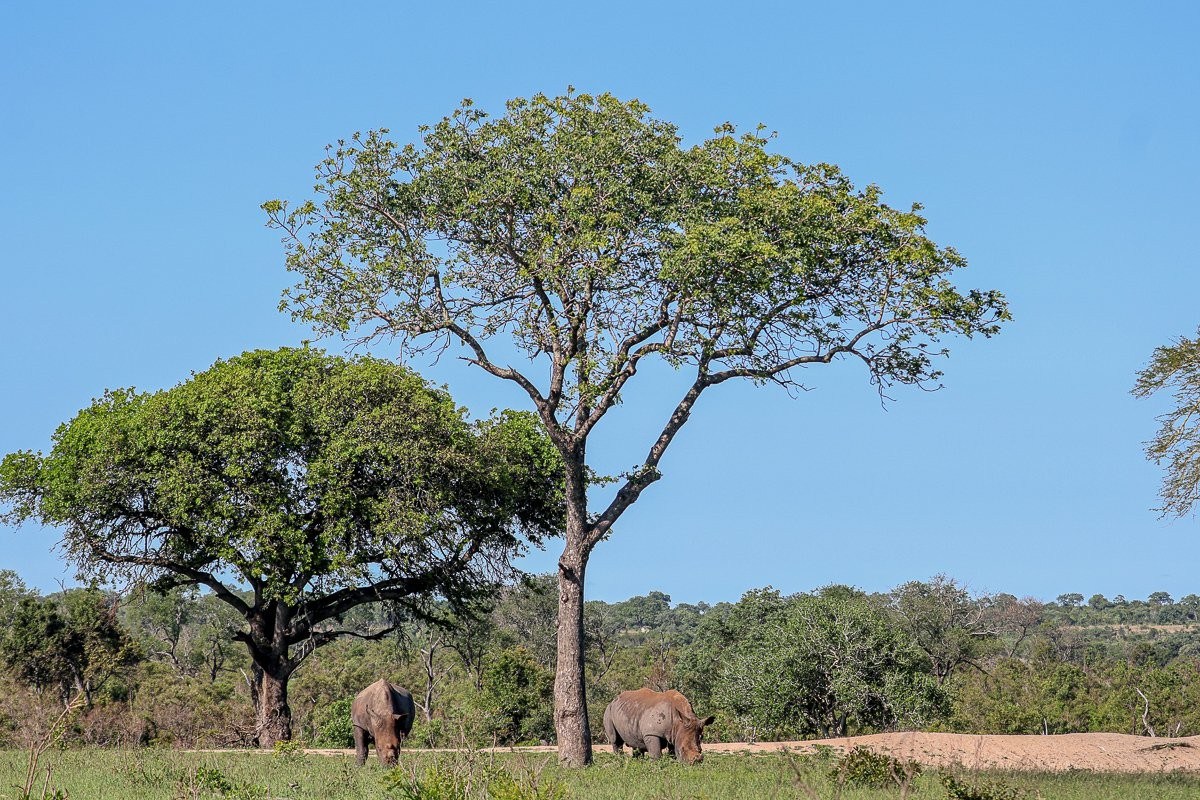
Bent grass, snapped twigs, or bark scraped from a tree all add to the picture. A broken branch at shoulder height may indicate a giraffe feeding as it walked. Flattened grass, still holding moisture, suggests a herd of buffalo that crossed recently. Even dung plays a role, its shape, moisture, and the insects already at work on it can help determine how long ago an animal passed through the area.
Scent is another powerful clue. The unmistakable smell of a territorial spray from a leopard or hyena on a bush tells us not only who was there, but often why. These scent markings are messages, silent but deliberate, warning rivals and communicating presence in an area.
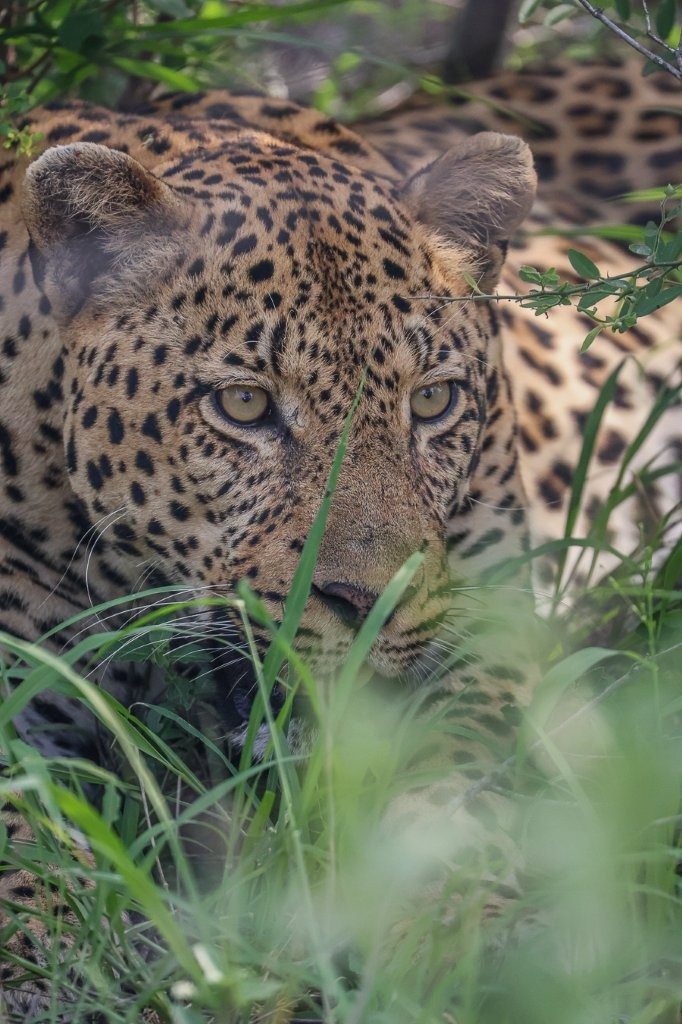
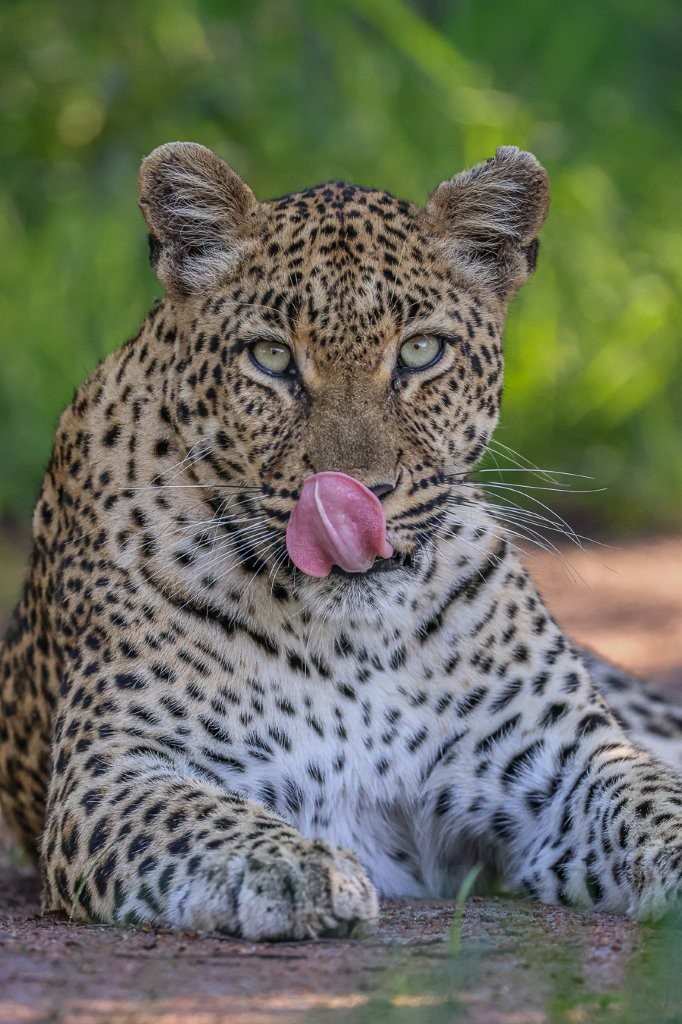
Tracking on foot demands patience and awareness. Wind direction is checked constantly, not only for our own safety, but to ensure we do not disturb the animals we follow. Communication between ranger and tracker is often done without words, a subtle hand signal, a change in posture, a pause that signals something important has been noticed. Every step is taken carefully, deliberately, always mindful of the environment and the wildlife that call it home.
What many guests don’t realise is that tracking is not about rushing toward a sighting. It is about understanding movements, behaviour, and intention. Sometimes the tracks lead us to an animal resting quietly in thick vegetation. Other times they fade into hard ground or rocky terrain, and the trail ends. Even then, the experience is never wasted.
Often, the true reward of tracking is not the animal itself.
It is the connection formed through concentration and time spent reading the land. Walking the same path an animal used only hours before creates a deep sense of respect for how seamlessly wildlife moves through this environment, leaving behind just enough information for those who know how to look.
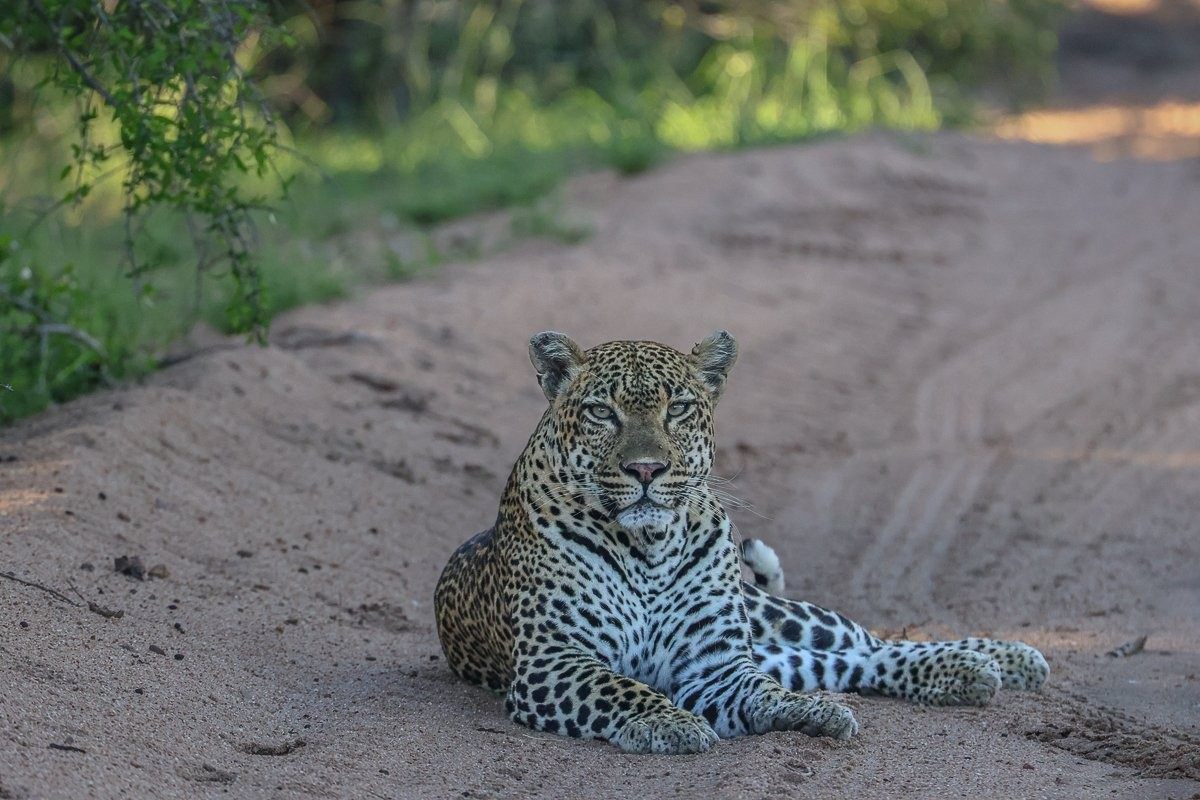
Tracking teaches patience, humility, and attentiveness. It reminds us that the bush is constantly communicating, offering stories to those willing to slow down and listen.
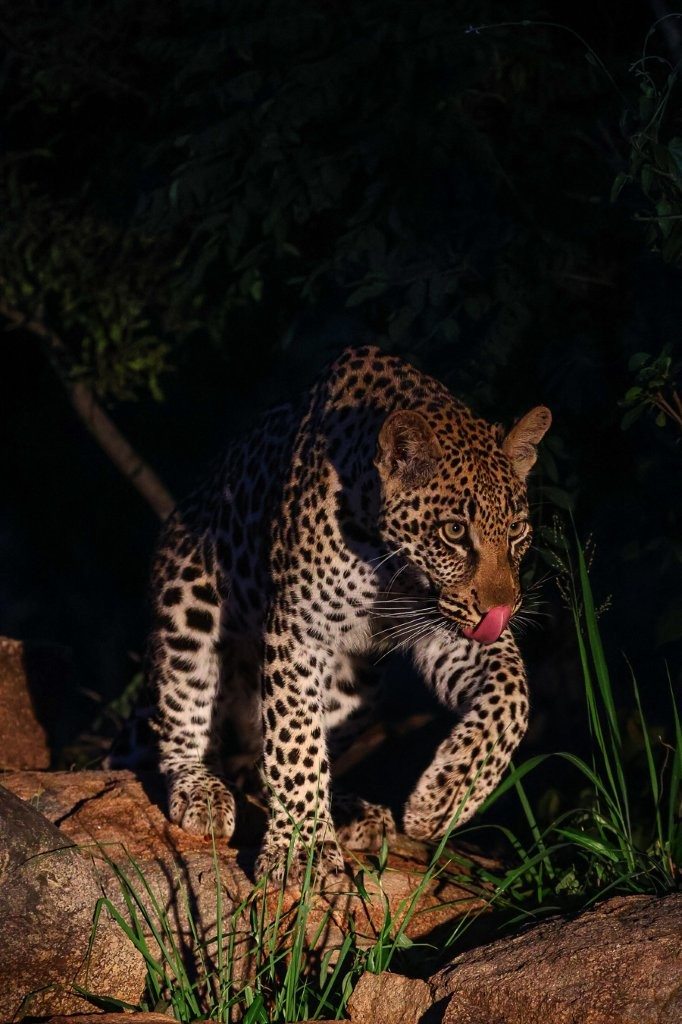
When guests ask how we manage to find animals so consistently, the answer is simple. The bush is always speaking.
Tracking is how we learn to hear it.
Blog by Ruan Mey (Earth Lodge Ranger)