
A Week in the Bush Vol. 560
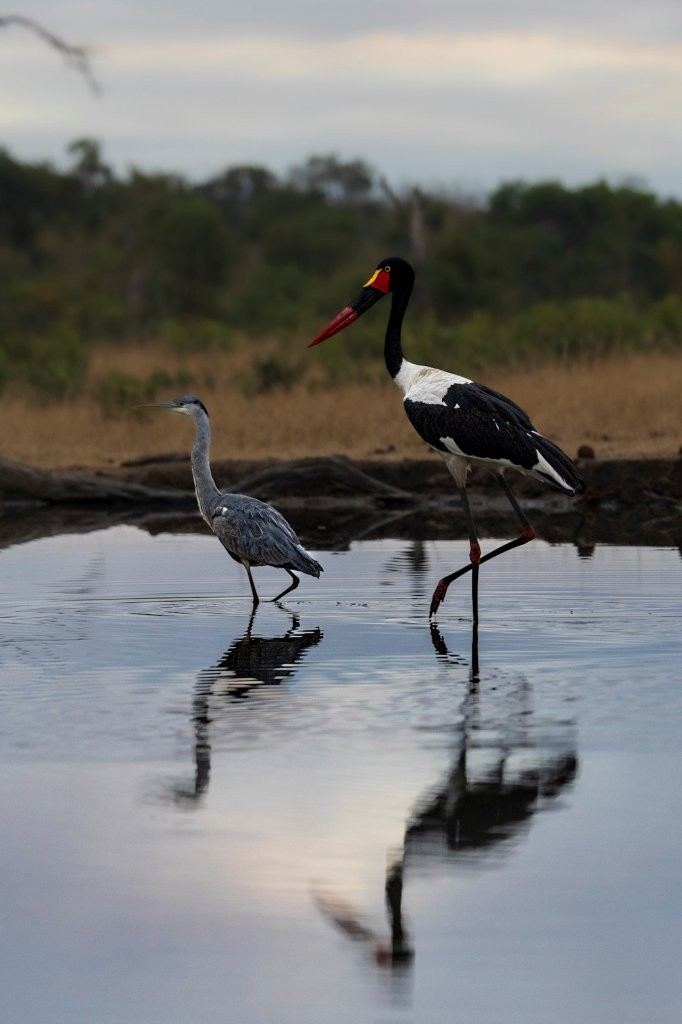
on Aug 20, 2025In the stillness of early morning, a tranquil scene unfolds at the watering hole. Side by side, a Grey Heron and a Saddle-billed Stork wade through the shallow waters - two strikingly different silhouettes, united by a shared purpose. The heron, lean and graceful, moves with measured precision, each step deliberate and silent. Beside it, the stork towers majestically, its brilliant vivid bill, gleaming amongst the cool blue hues of the winter morning.
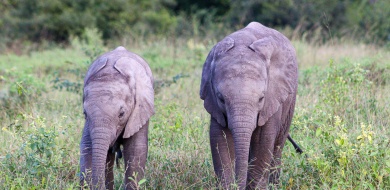
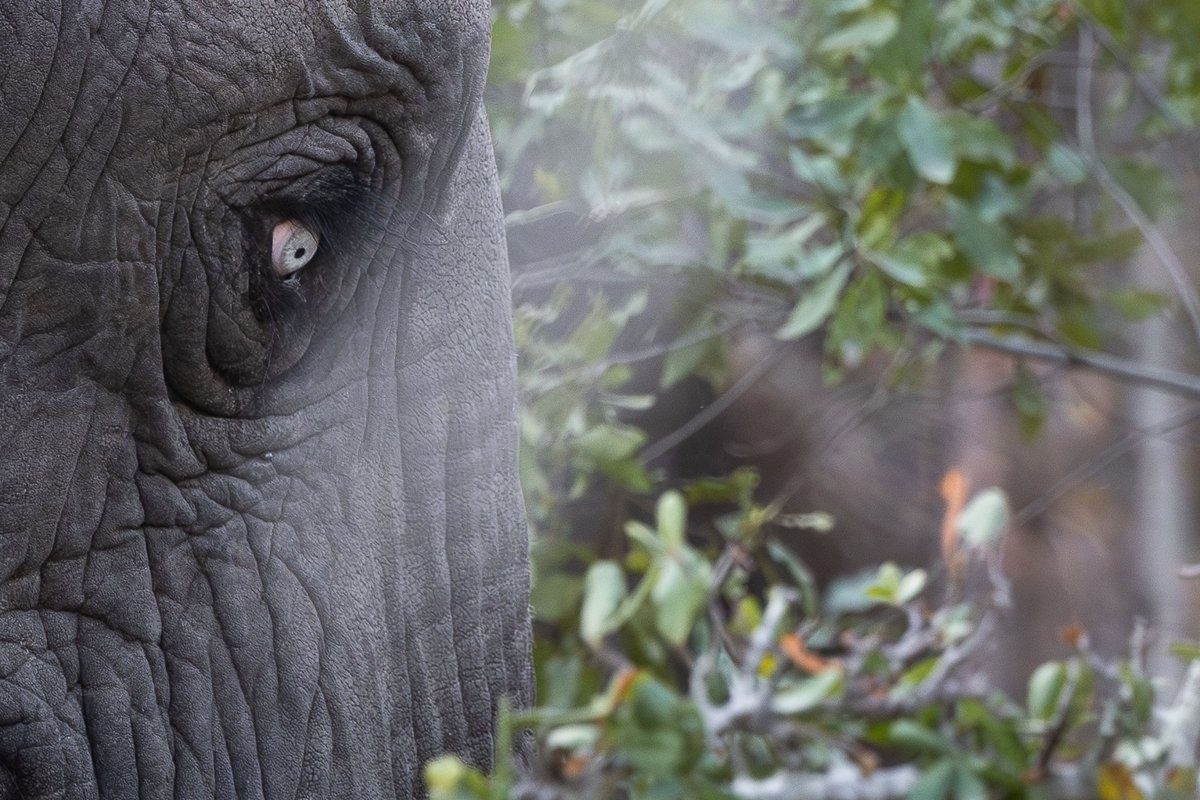
While observing a herd of elephants calmly feeding through a Tamboti thicket, something unusual caught our eye - one of the cows had a striking white iris. At first glance, one might suspect albinism, but this individual displayed normal skin, hair, and pupil pigmentation. This suggested something far rarer: a localised case of leucism, where the lack of melanin pigment was isolated to just the iris. Typically, elephant eyes are a warm amber colour, making this pale eye all the more remarkable - a rare genetic quirk in an already extraordinary animal.
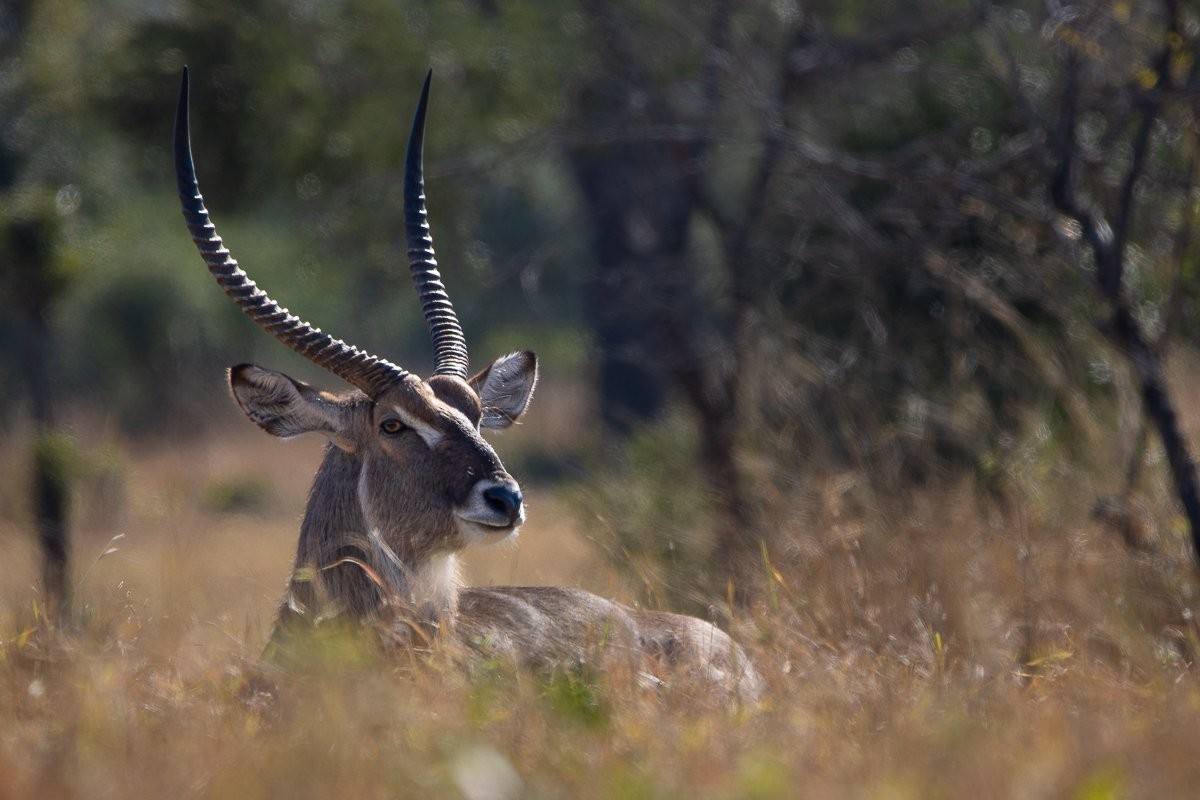
Often positioned near water, the waterbuck chooses resting spots that offer both comfort and quick access to escape routes. In this peaceful moment, it conserves energy and remains alert, blending into its surroundings while keeping a watchful eye on potential threats.
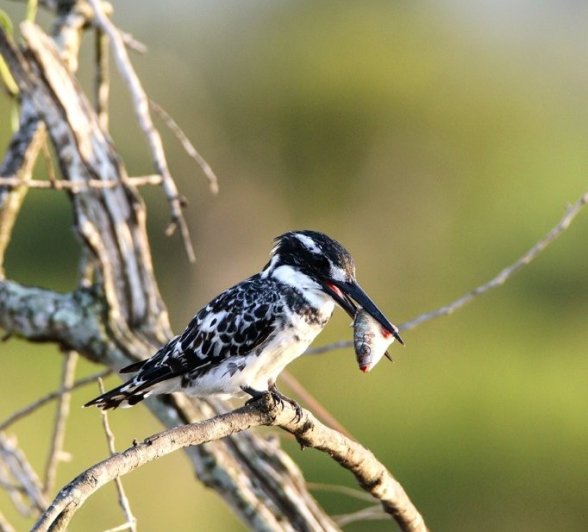
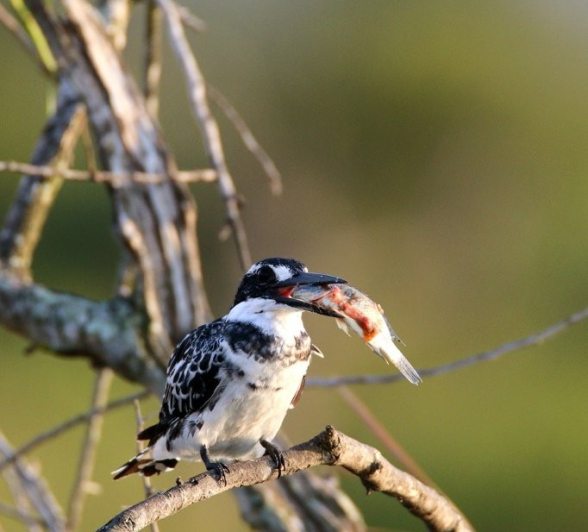
A Pied Kingfisher enjoying his well-deserved lunch. After sitting at the waterhole for quite a while, watching a herd of Wildebeest drink, a flash of black and white caught our eye. Hovering over the water and then diving into it, the Kingfisher returned to his perch with his meal. We watched as the fish was repeatedly hit against the perching branch to break its bones and scales, for easier swallowing, and to prevent struggling when being swallowed by ensuring that the fish is dead.
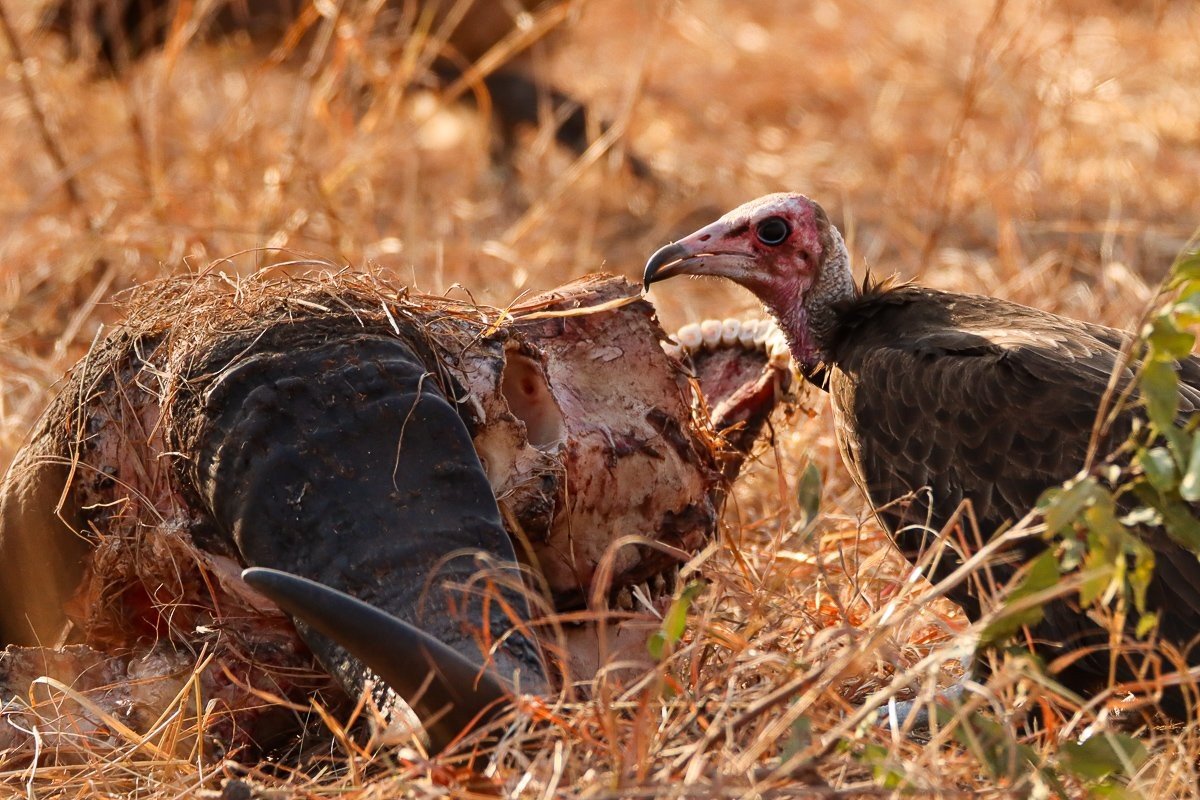
This Hooded vulture found itself a good source of food while scavenging with the hyenas and other vultures on the buffalo skull that was left behind by the lion pride from the day before. These vultures are scavengers, but have been seen feeding on small insects, lizards and other animals, and by using their keen sense of smell, they will find carcasses and congregate in large numbers at these feeding sites. They are much smaller than some of the other vultures and will often be displaced by their larger relatives and other scavengers, like hyenas, all of which play a vital role in keeping the ecosystem healthy by controlling and removing disease and waste from the environment.
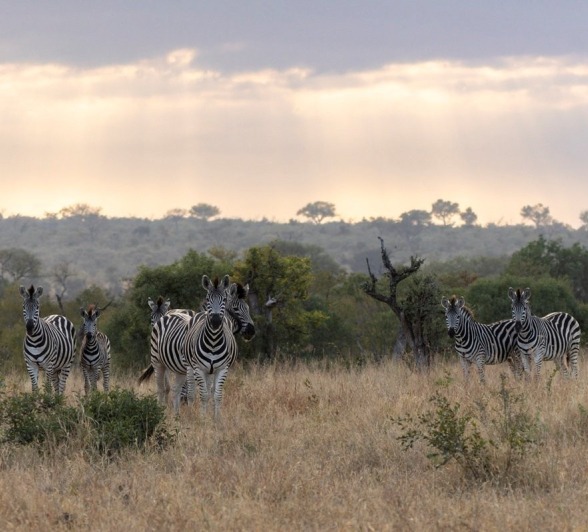
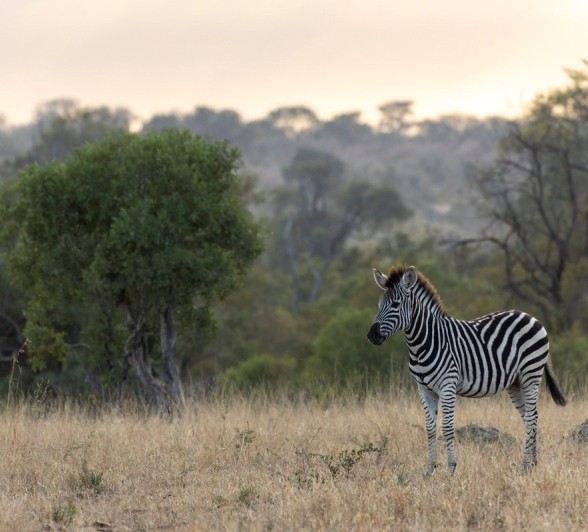
After initially being disappointed by the clouds were obscuring the rising sun, our mood quickly changed when the rays of light broke through, casing a breathtaking glow. We stopped by a herd of zebra and witnessed an incredible scene – silhouettes against an amazing, golden sky.
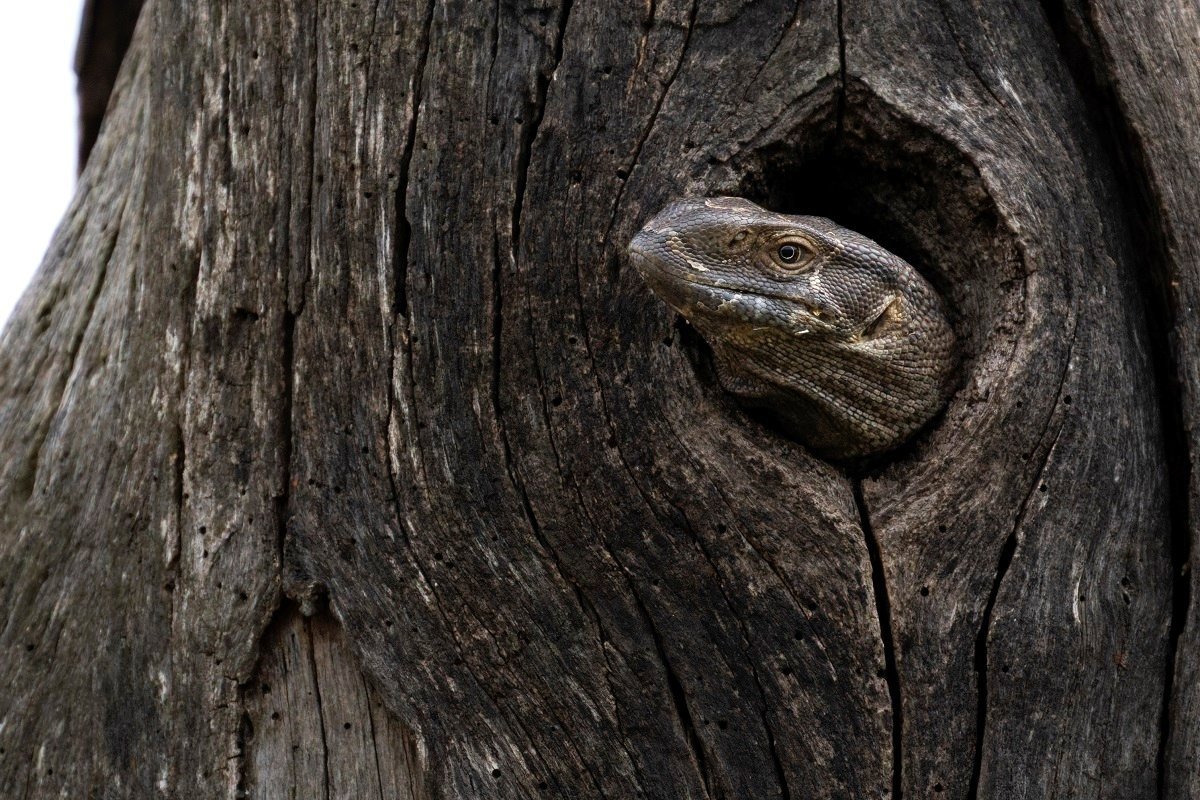
Whilst out on a drive, we noticed a shape sticking out of a hole in a dead tree. After a closer look, we were delighted to see that it was a Rock Monitor. They are seen like this sometimes although spotting them is very difficult due to their camouflage.
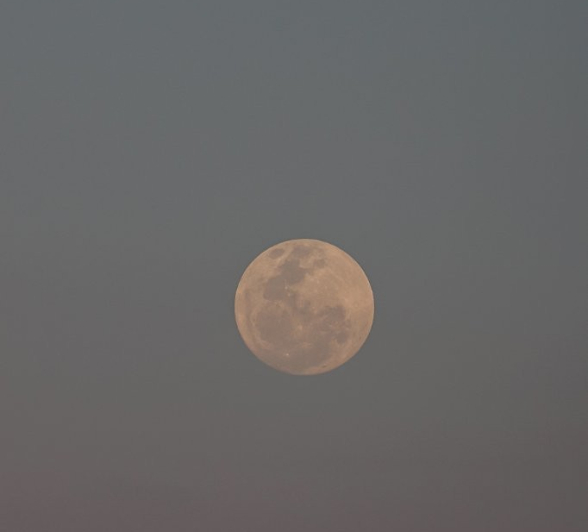
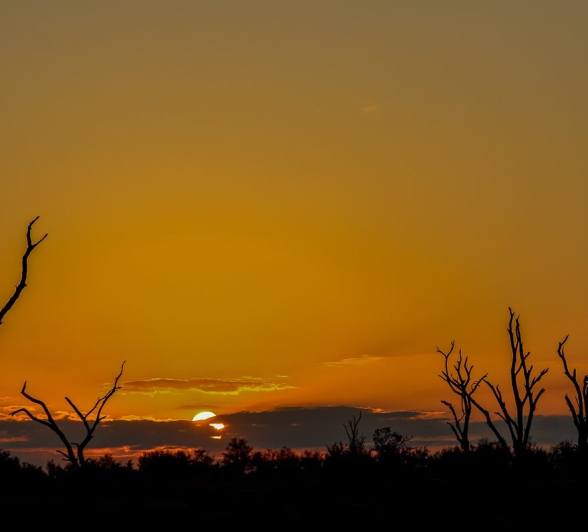
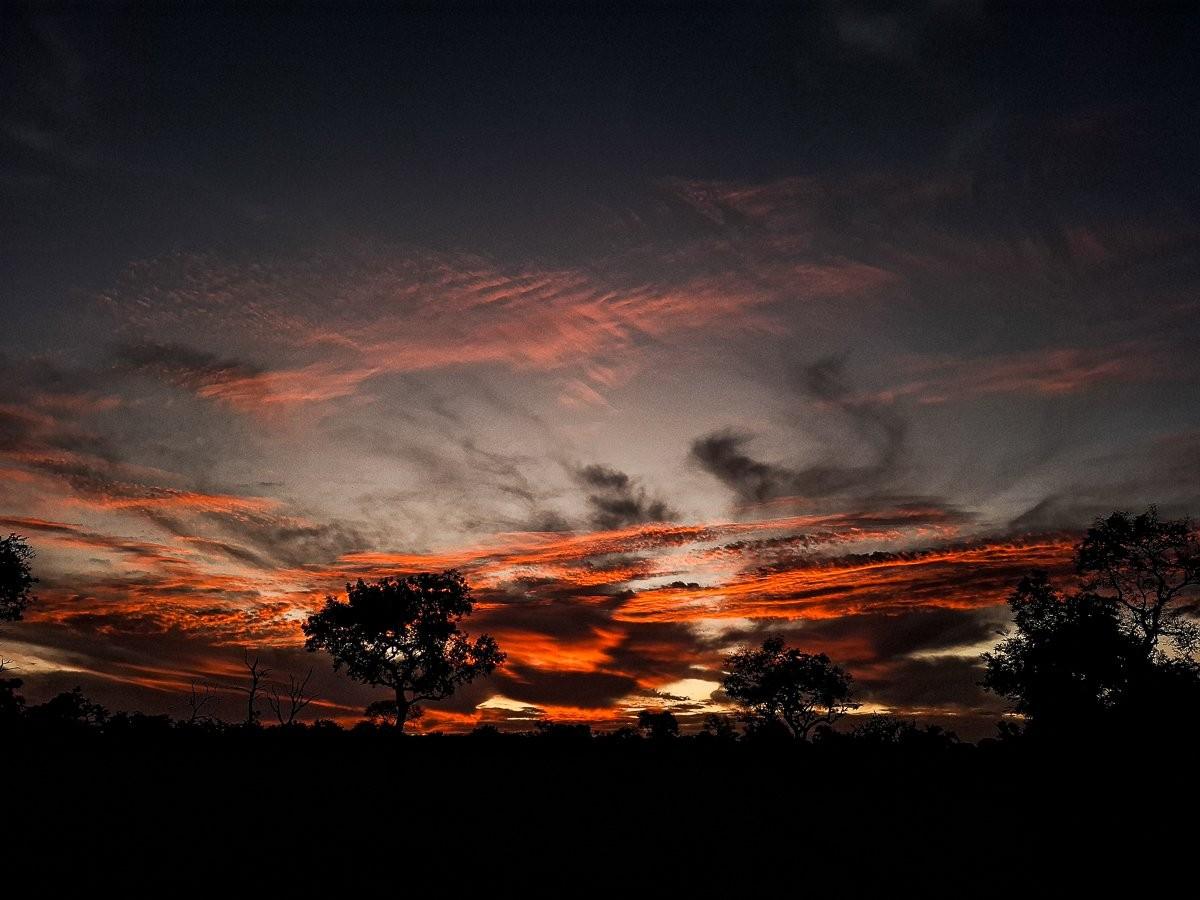
With a full moon on the eastern side of our sky and a beautiful sunset on the western side, there is no better way to end a day on safari.
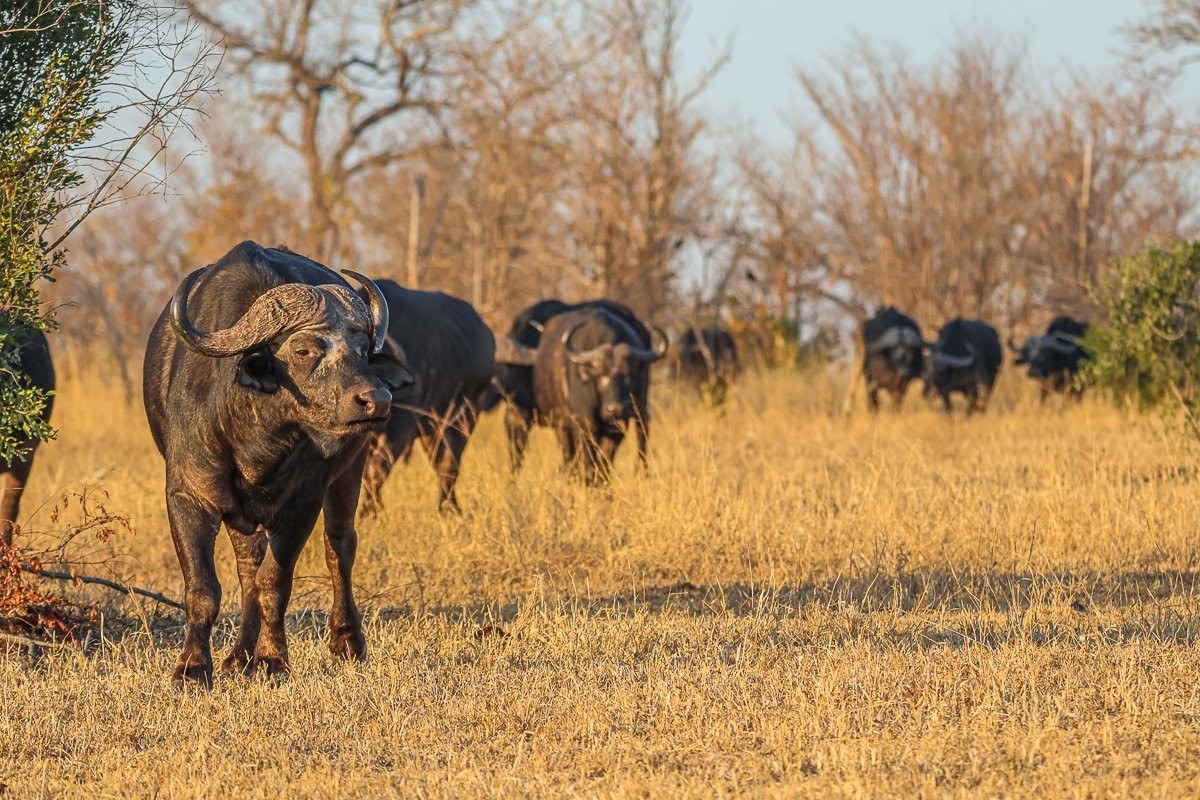
We watched as a massive herd of buffalo slowly became active in the early morning, moving towards a nearby waterhole to quench their thirst before beginning the day’s grazing. Within these herds, the powerful bulls typically position themselves on the outskirts, standing guard to shield the females and calves from any potential predator attacks.
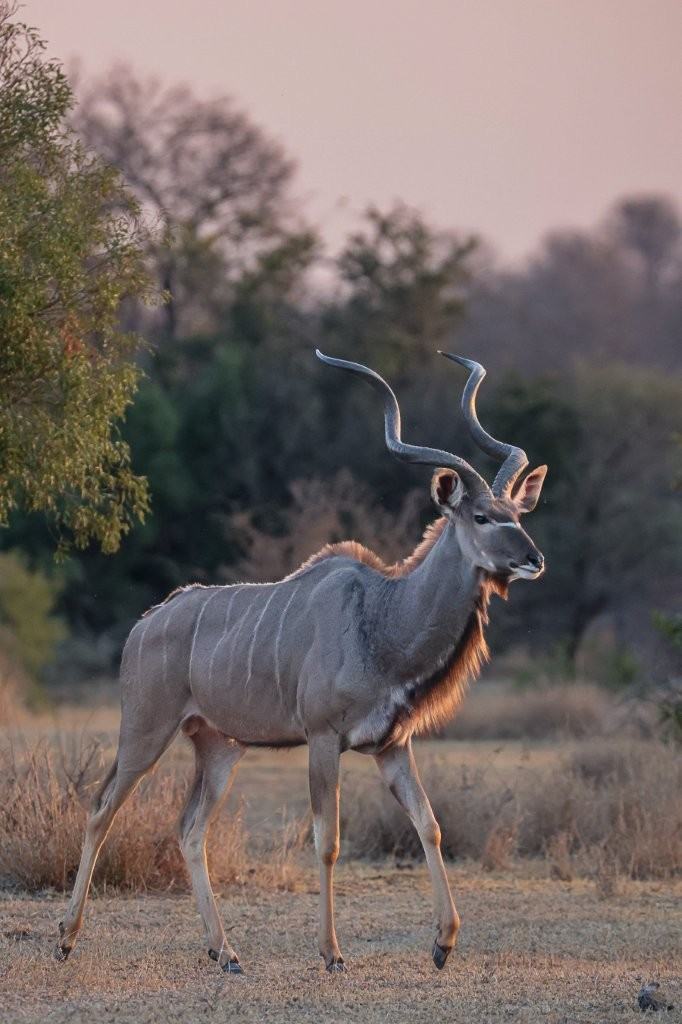
A kudu moves in silence as the sun begins to set - ears attuned to every sound, ever watchful for predators in the growing dusk.
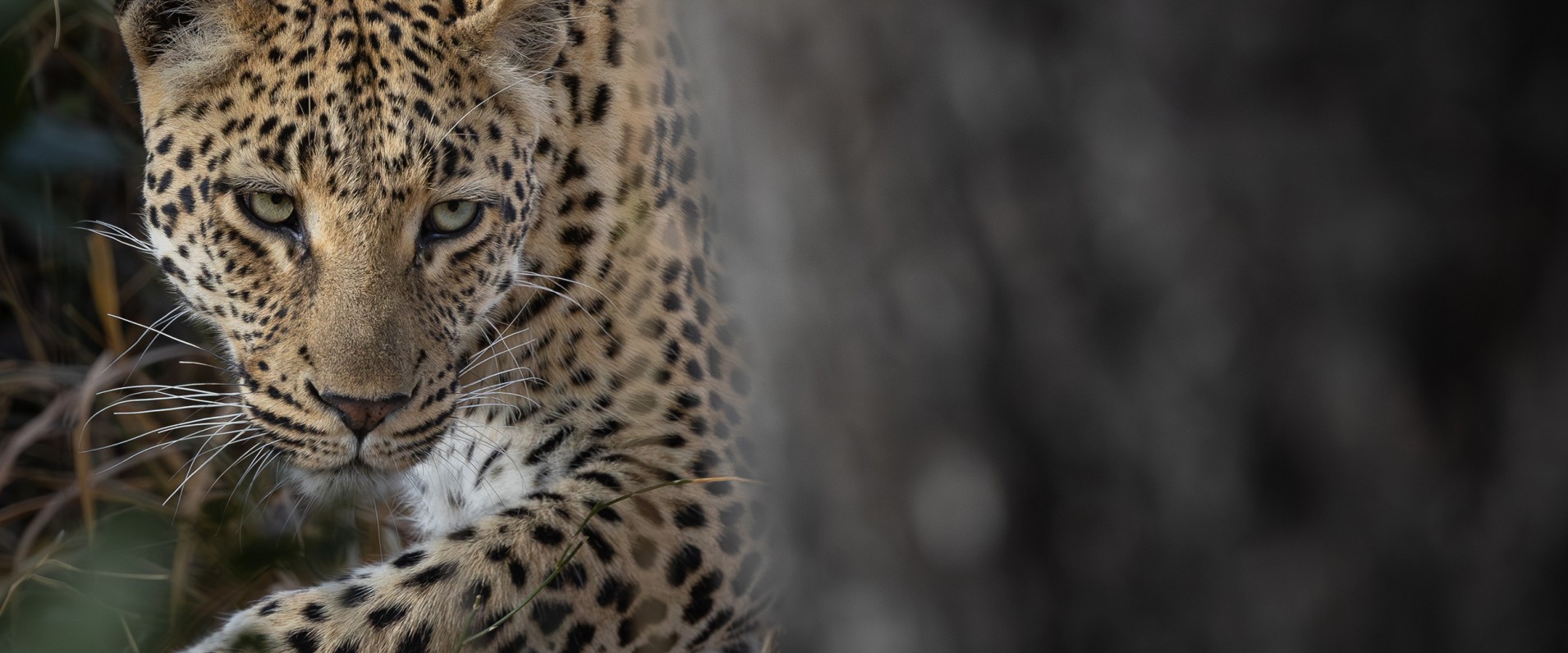
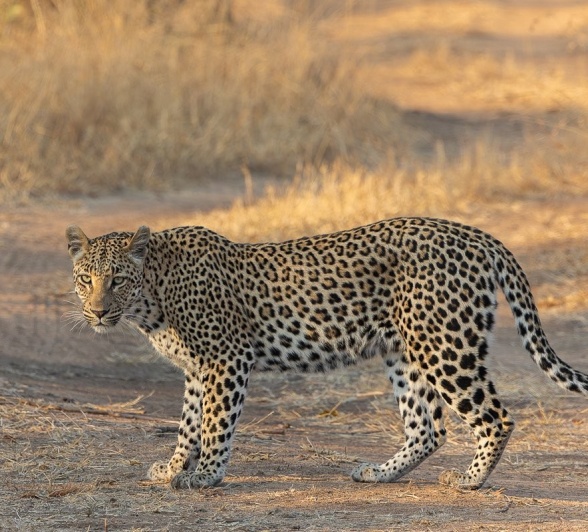
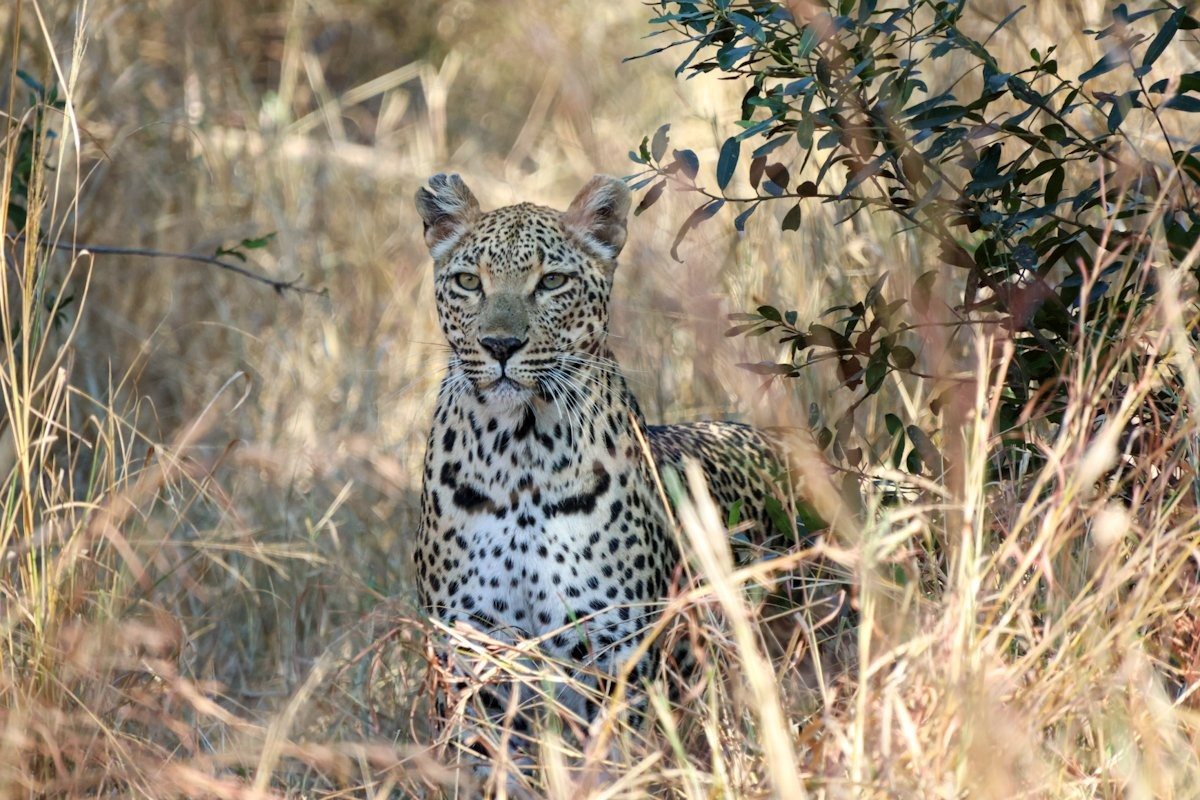
Early mornings in the bush hold a unique sense of anticipation - a quiet promise of unfolding stories. Near Bush Lodge, fresh tracks of a female leopard soon revealed Golonyi, moving with purpose. Her twitching tail and sharp attention to alarm calls from birds and impala made her intent clear: she was hunting. Following her through golden sunlight into the cool shadows of the drainage line was an immersive experience, watching her pause, listen, and scan every thicket for a chance at an unsuspecting meal. A true privilege to witness the patience and precision of a leopard on the move.
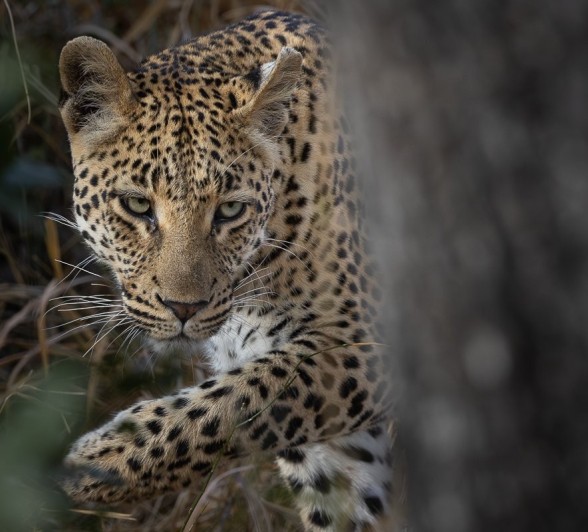
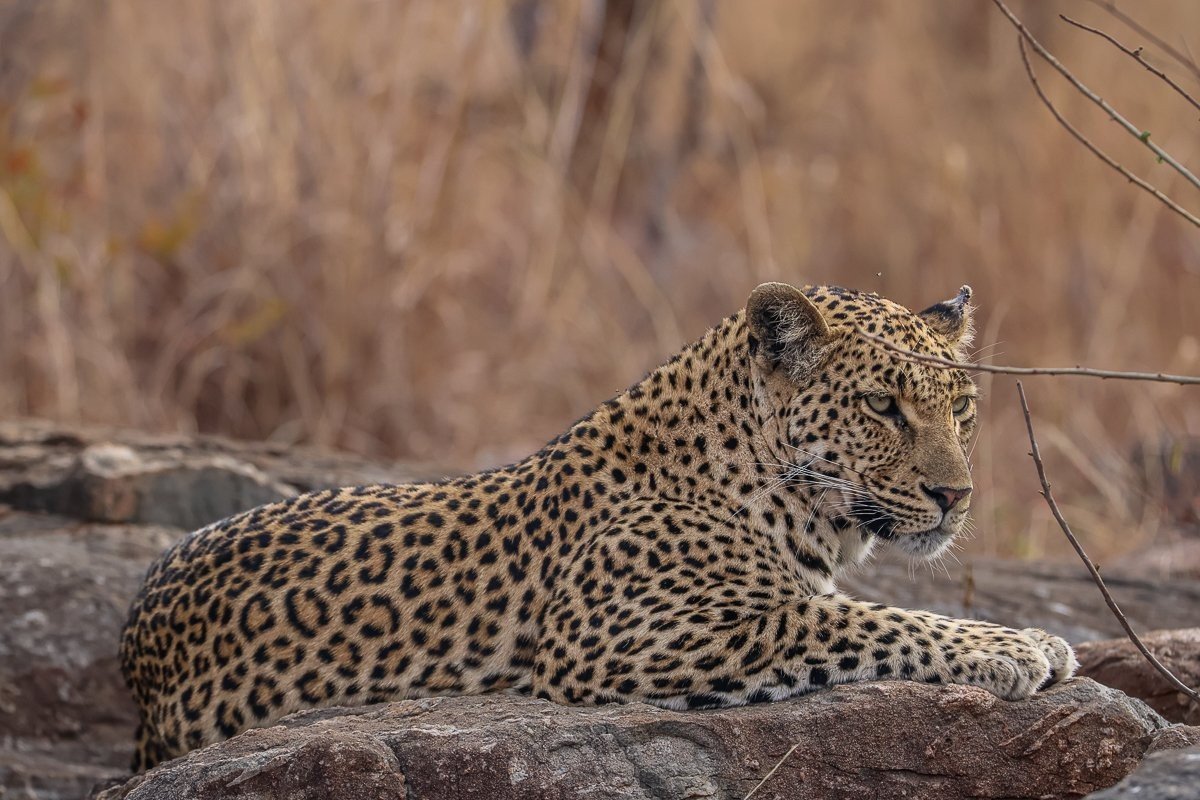
We came across the Ntsumi female as she meandered along the Msuthlu drainage near Bush Lodge. Alert and focused, she moved in and out of cover, silently stalking a nearby herd of grazing impala.
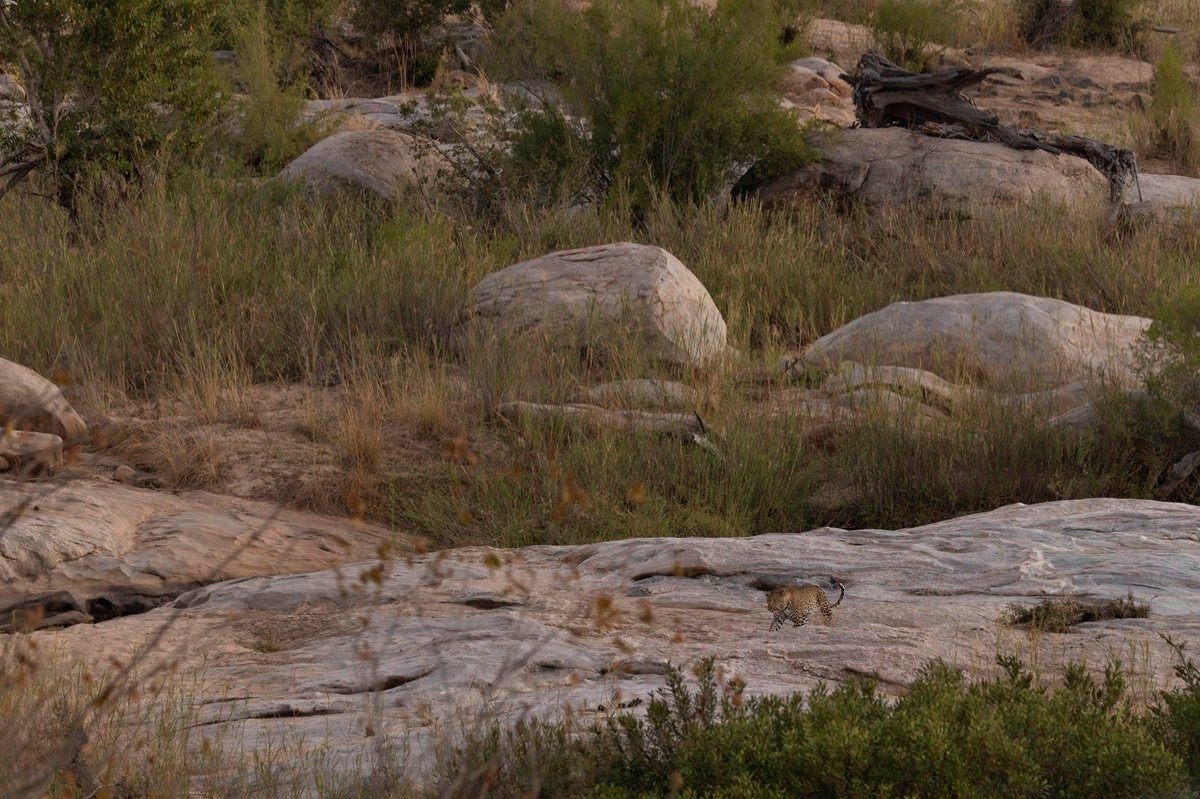
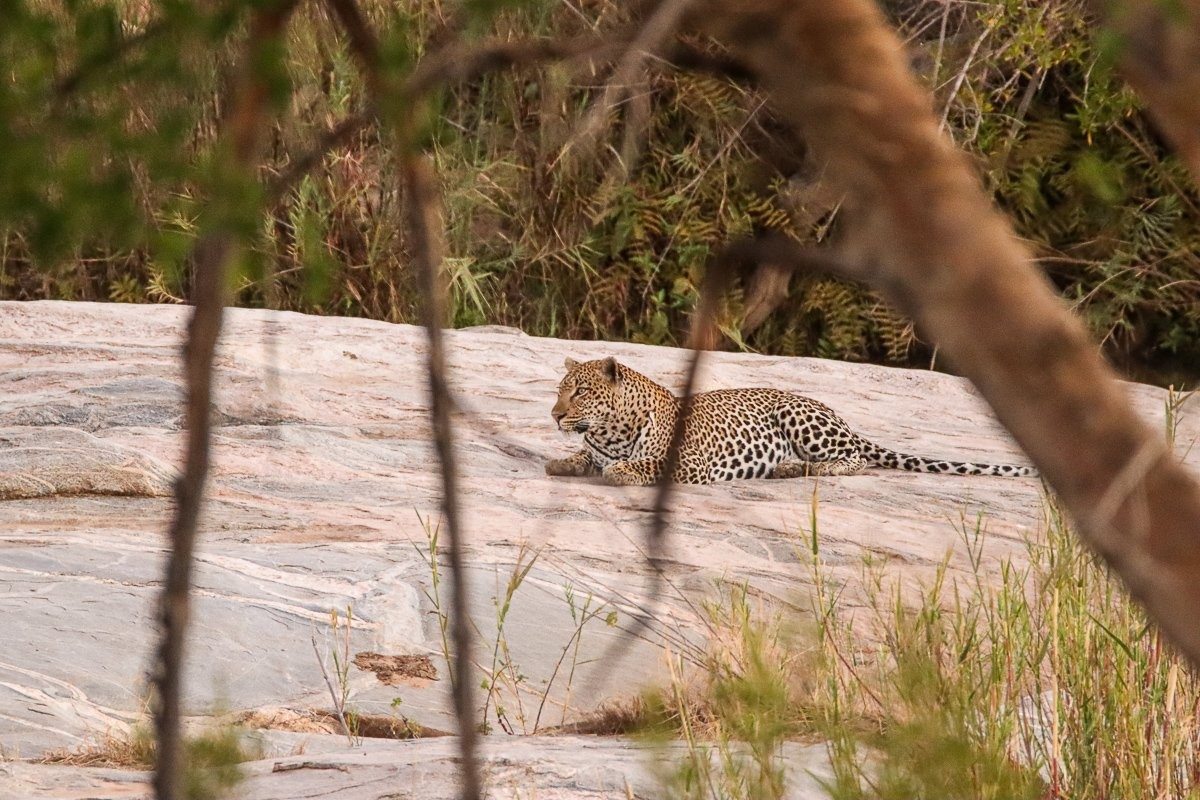
After spending hours tracking a female leopard in the morning and again in the afternoon, we unfortunately had no luck as she decided to find comfort in a thick riverbed. With the sun setting, we decided to call it a day and go enjoy a Gin and Tonic overlooking the Sabie River. As the guests took their first sip of their sundowners, a male leopard started calling from the river, not far from where we were. We scanned the river and the trees, hoping to see any movement and there he was, moving out of the reeds and onto a flat rock. He gave us quite a show, yawning and stretching, before disappearing into the night.
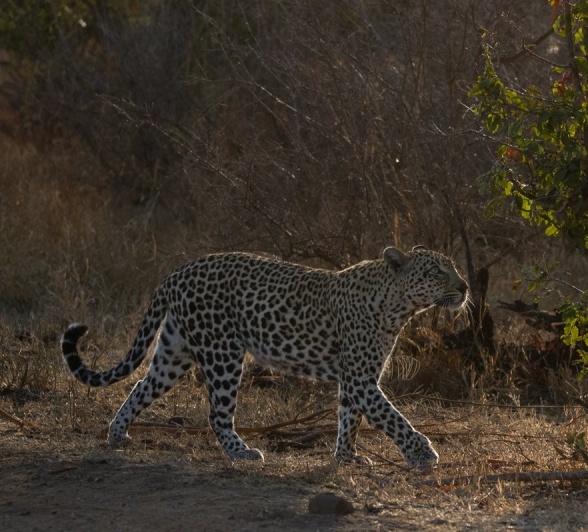
We came across the Tengile female leopard as she was actively marking her territory. With her previous cub now independent, she may be ready for a new chapter - potentially preparing to mate again.
Like males, female leopards are territorial and rely on scent marking to establish and defend their range. Their territories are usually smaller than those of males and do not overlap with other females, although they may overlap with males. When a female enters oestrus (heat), her scent-marking activity intensifies, signalling her readiness to mate and often attracting multiple suitors.
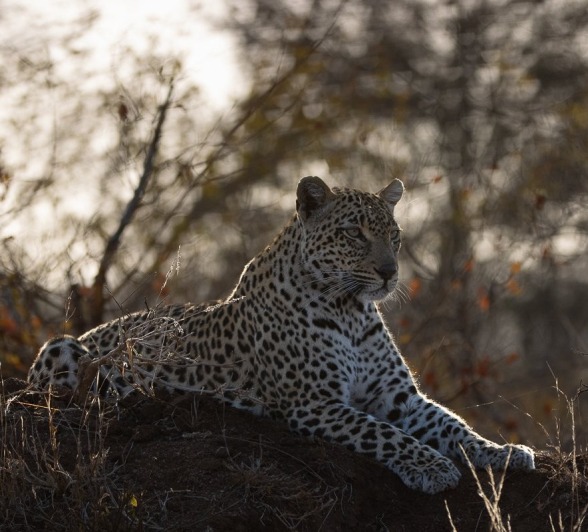
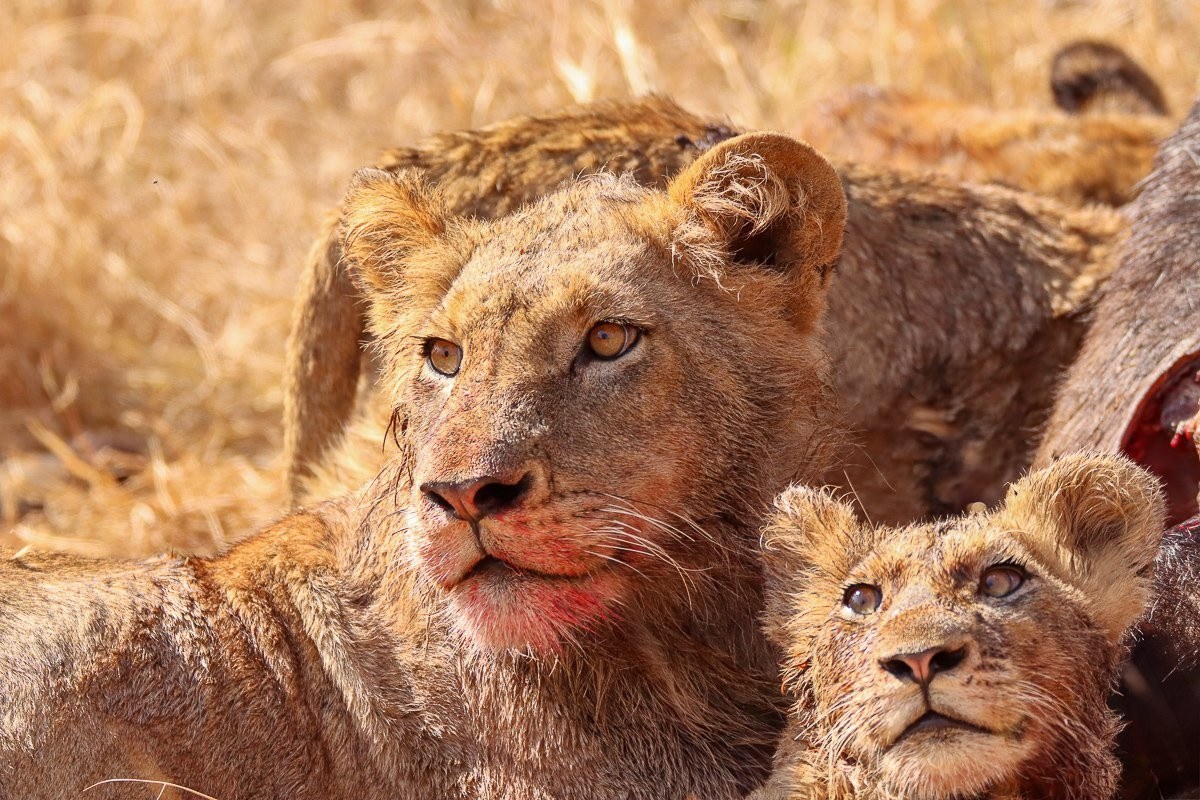
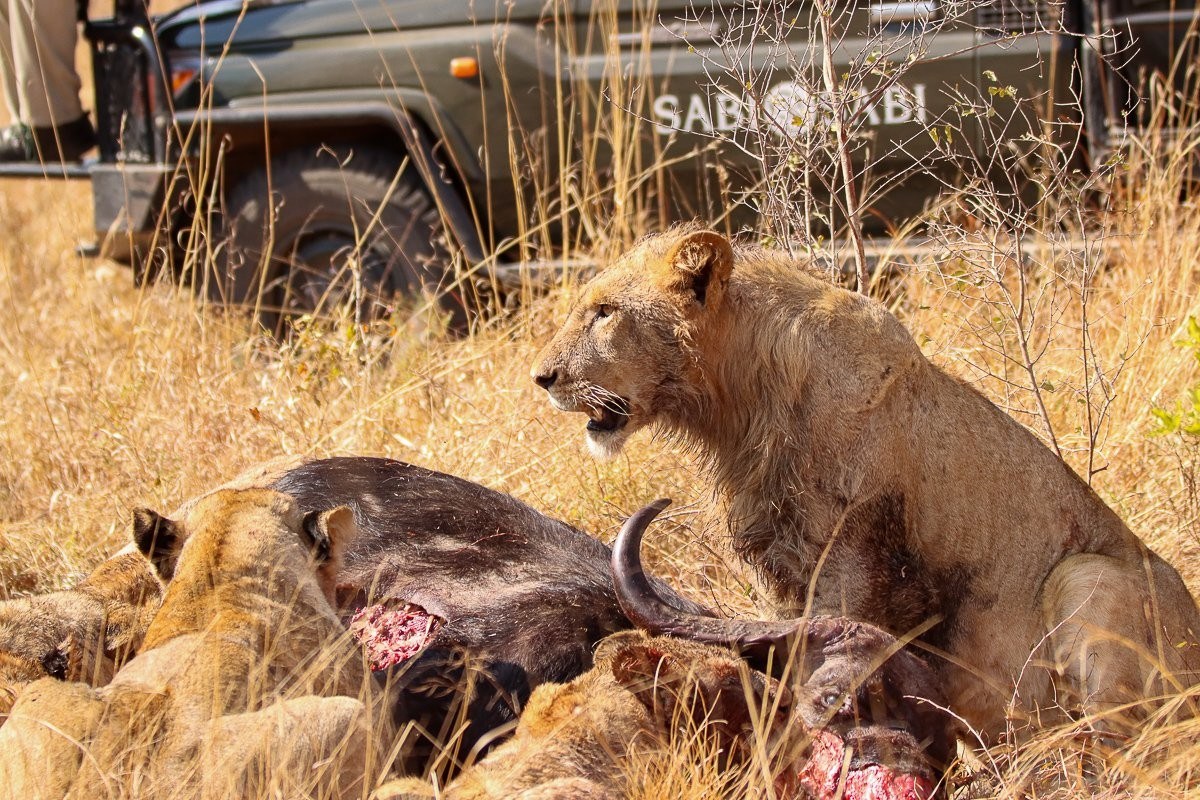
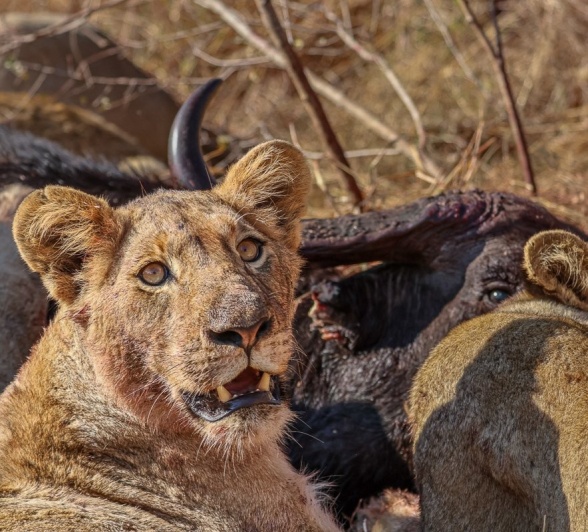
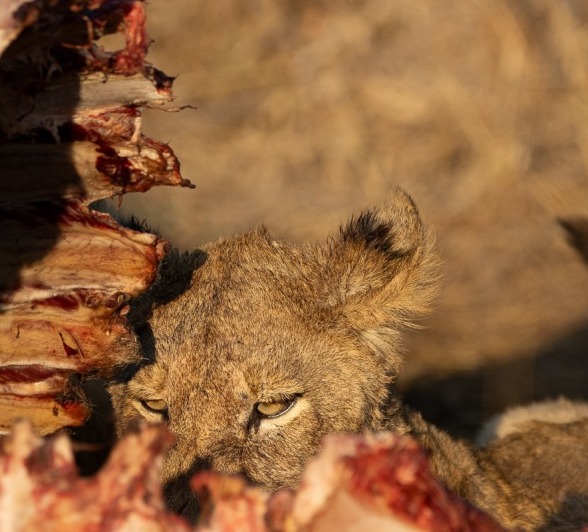
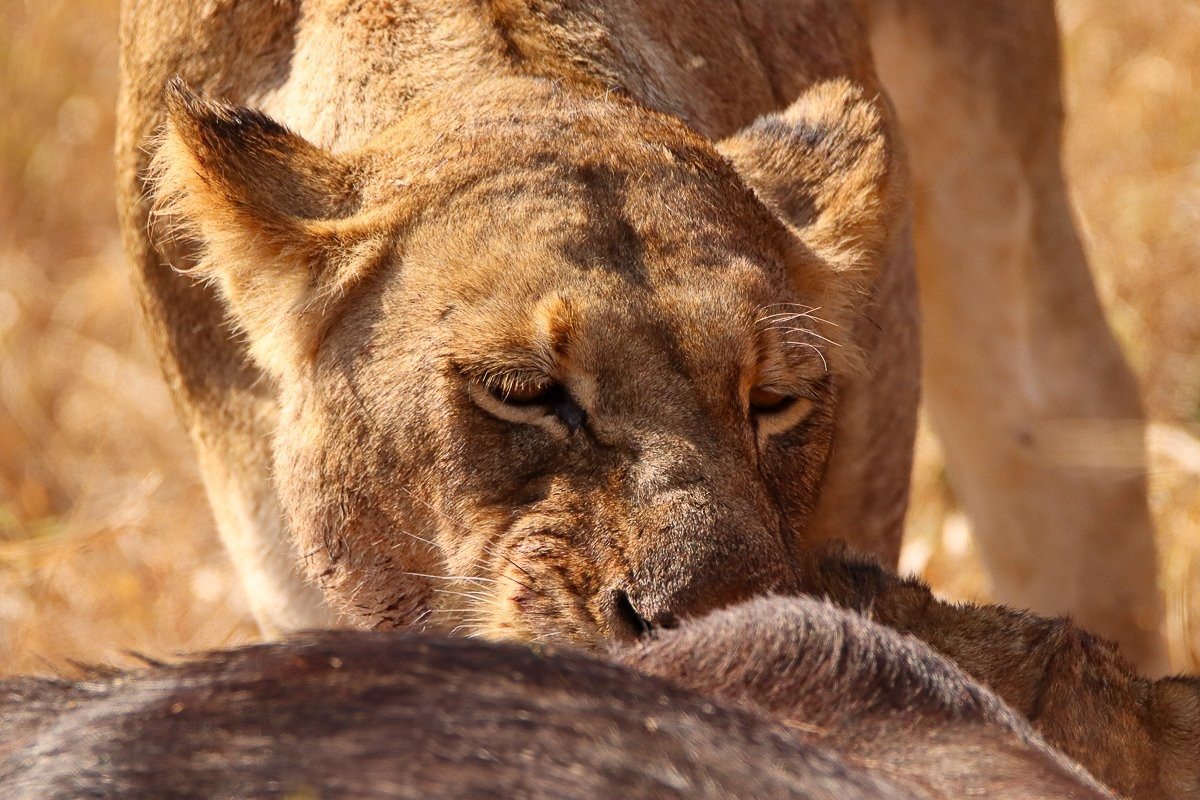
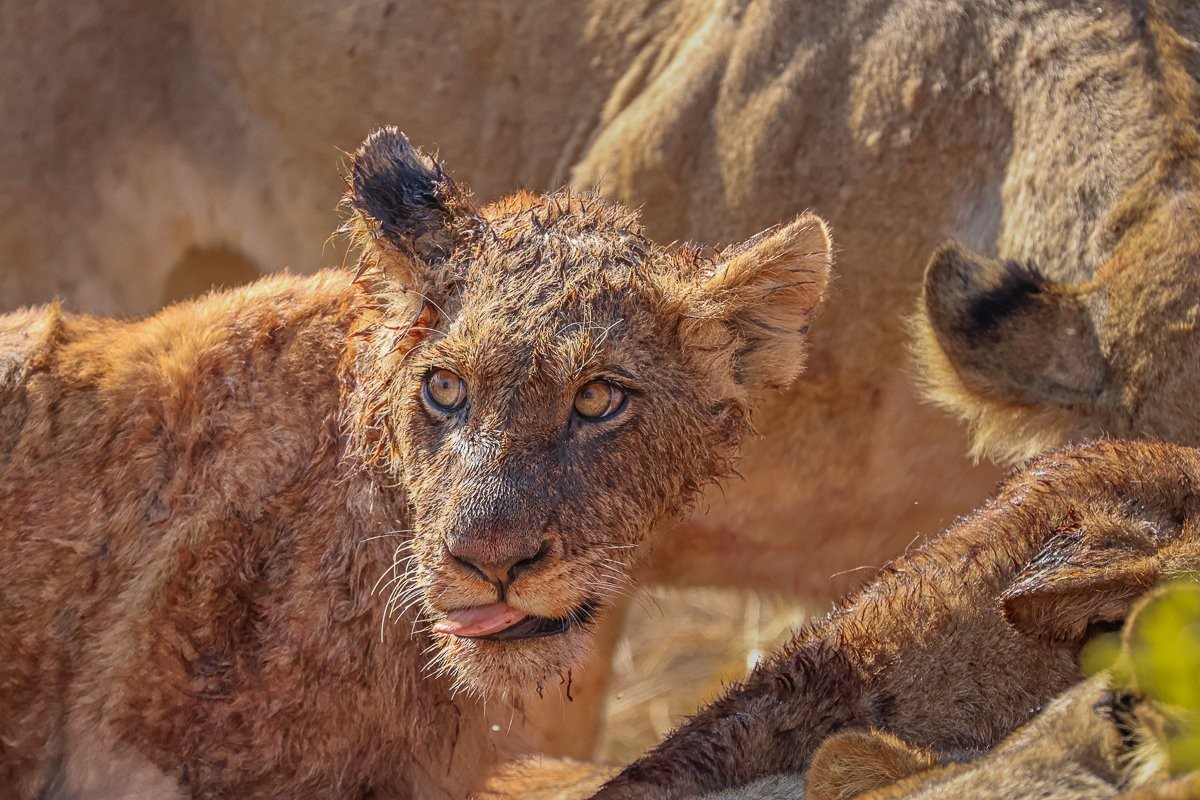
One of the many privileges of spending extended time in the bush - as guides and trackers do - is the opportunity to truly get to know individual animals and follow their unfolding stories. The Msuthlu Pride is a perfect example. Over the past two years, we’ve watched their numbers grow, but beyond that, we’ve witnessed their evolution. The eldest litter, now approaching sub-adulthood, is beginning to show remarkable development. The young male is gaining strength and starting to display early signs of leadership. The four adult females, pillars of this pride, continue to grow in prowess and stature - each hunt, each decision, and each step further solidifying their legacy.
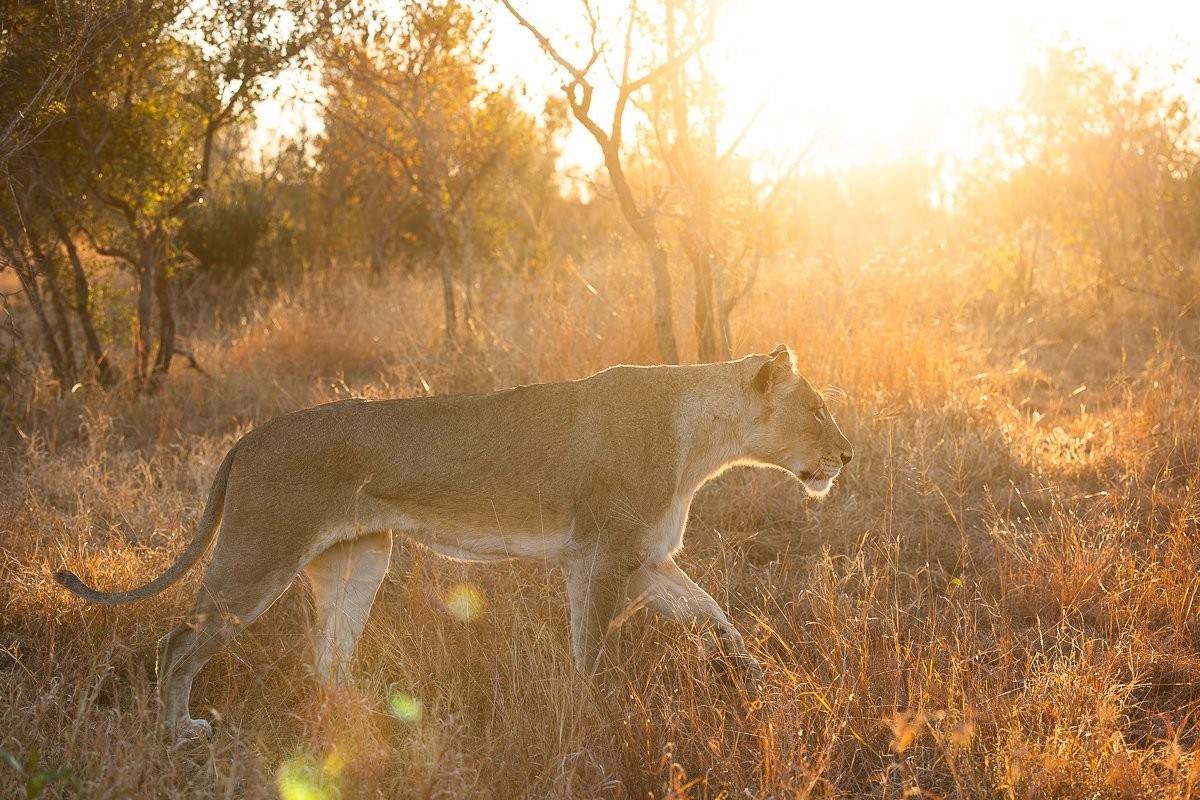
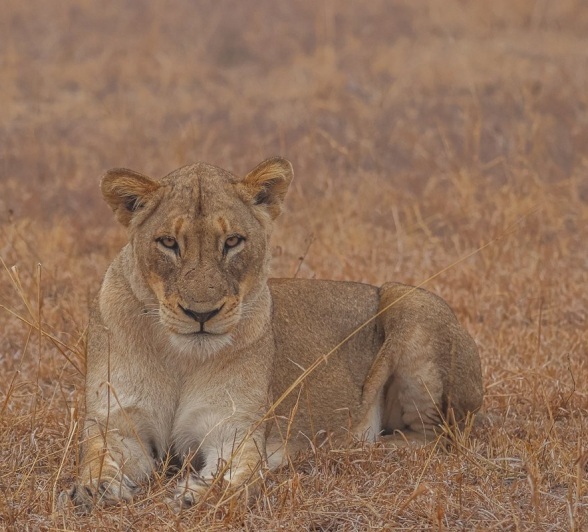
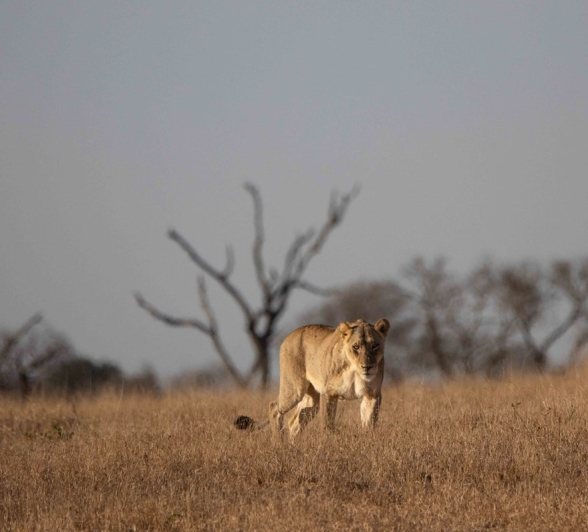
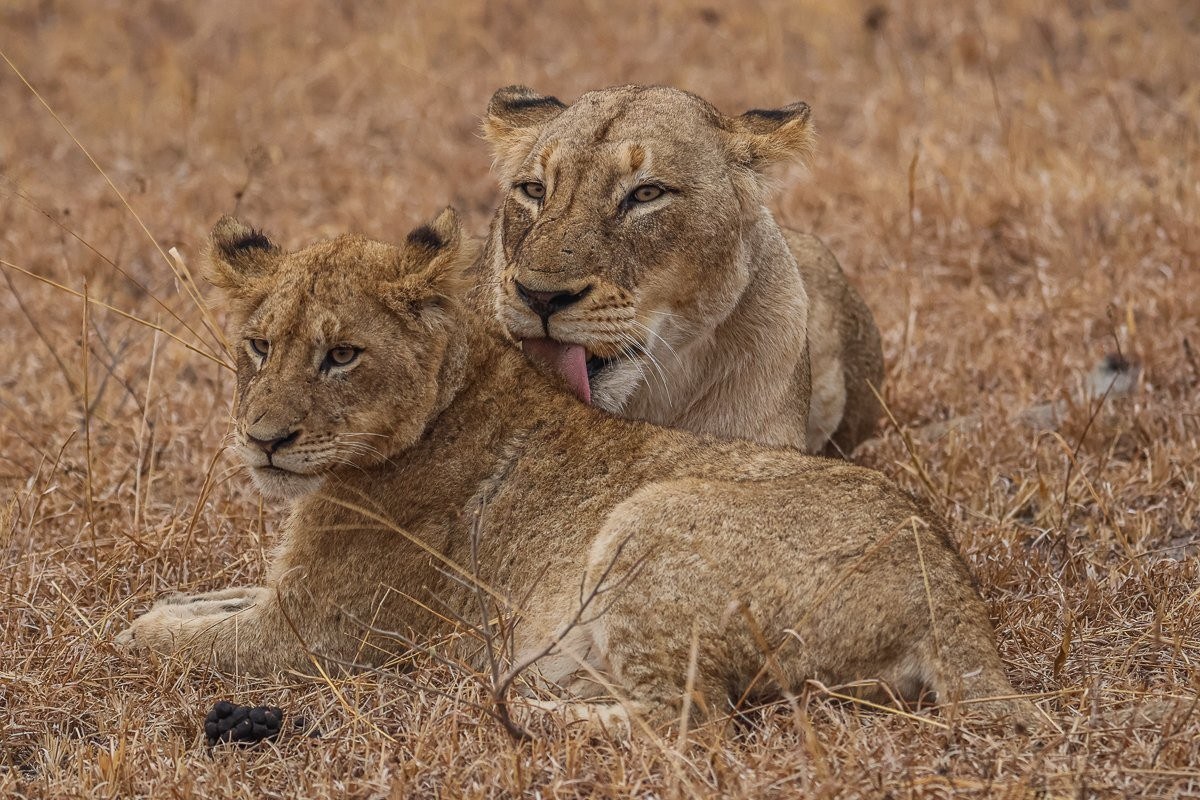
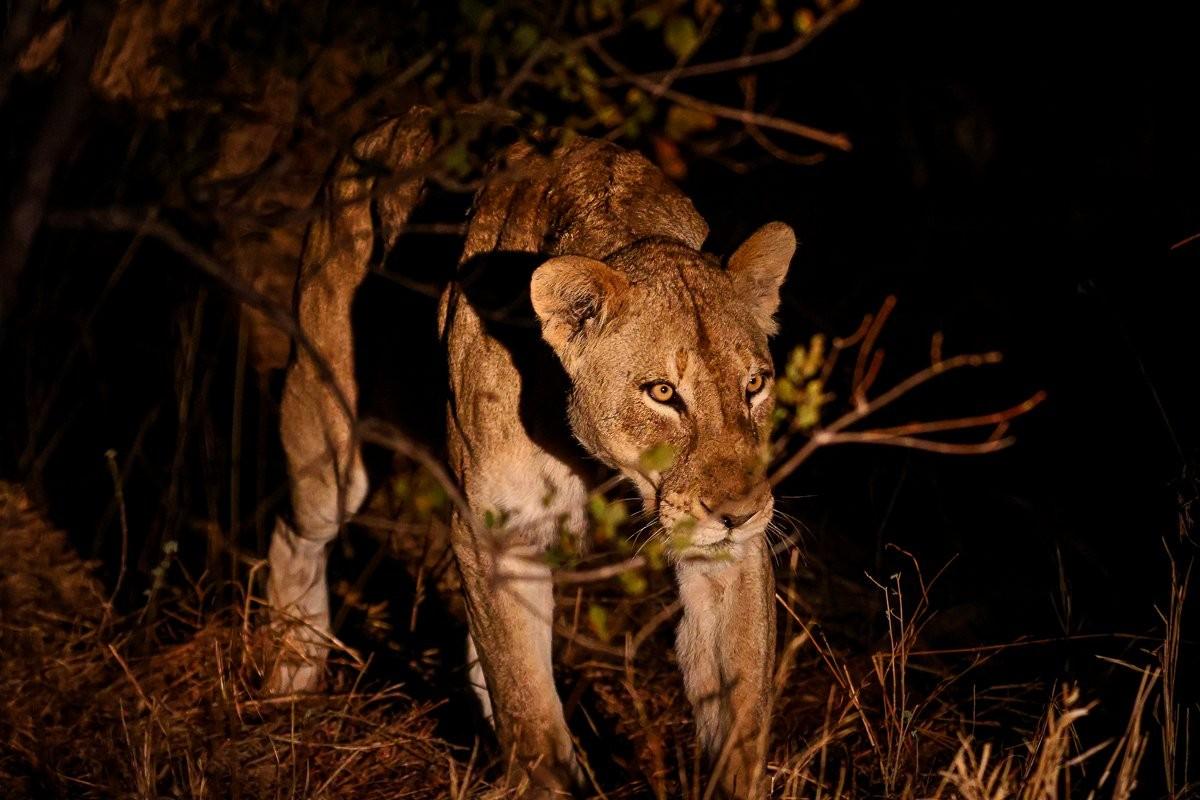
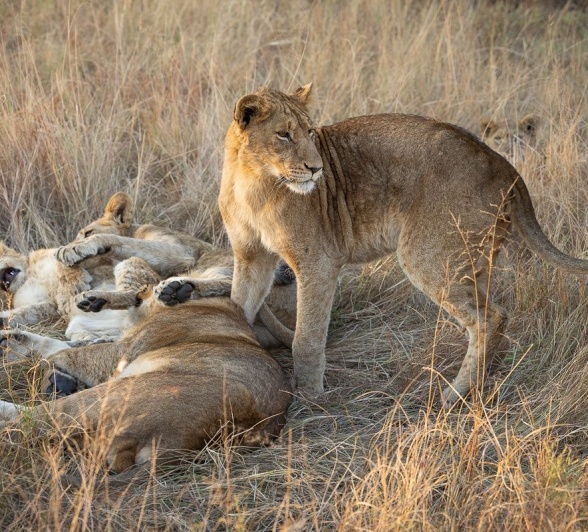
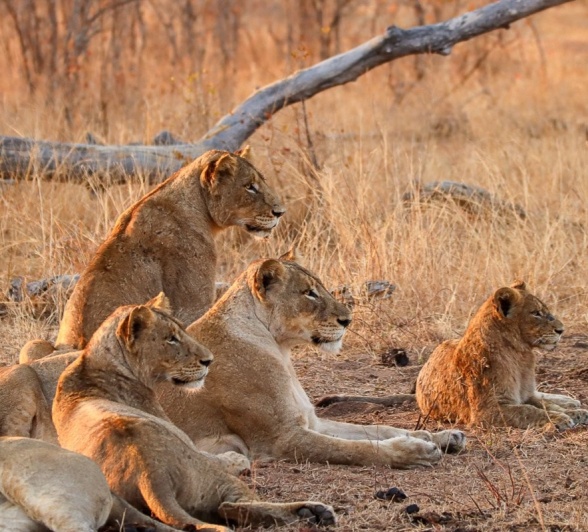
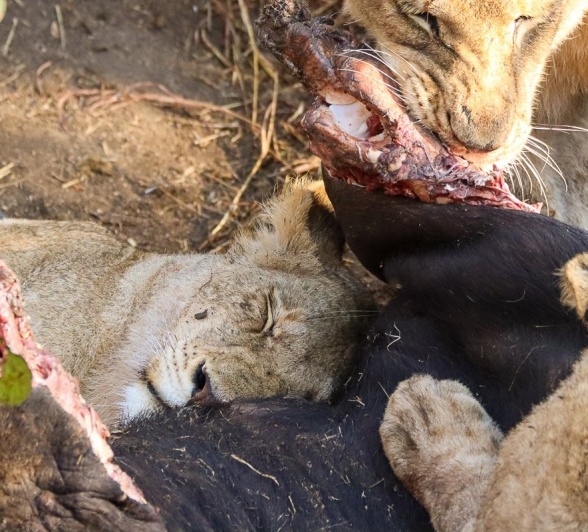
Lions are opportunistic hunters, taking down whatever is easiest, or whatever they have the courage to challenge. Over the past few years, we’ve watched the Msuthlu Pride primarily target blue wildebeest and zebra as their staple prey. But toward the end of winter, their focus shifts, and buffalo hunts become more frequent - sometimes as often as one a week.
Winter is a difficult season for buffalo. To conserve energy, they lower their metabolism and move less, which leads to nutrient deficiencies and a gradual decline in body condition. For a pride of 14 hungry lions, a weakened buffalo becomes the perfect target.
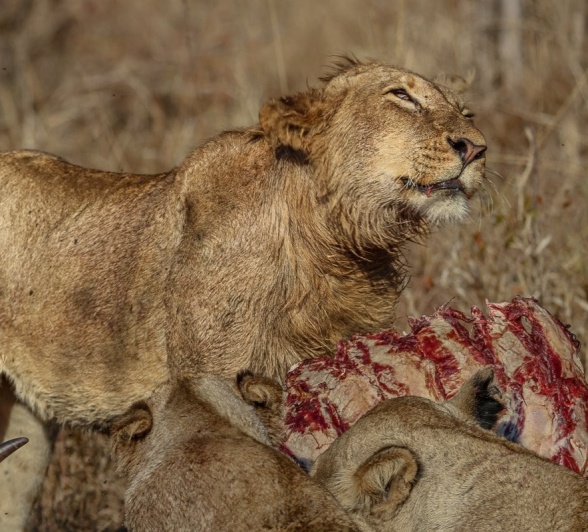
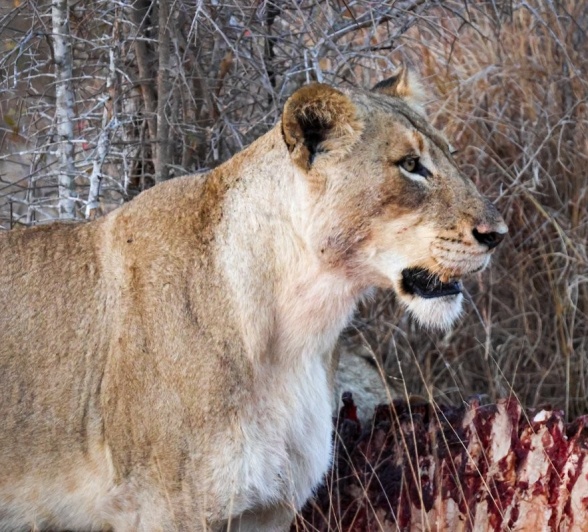
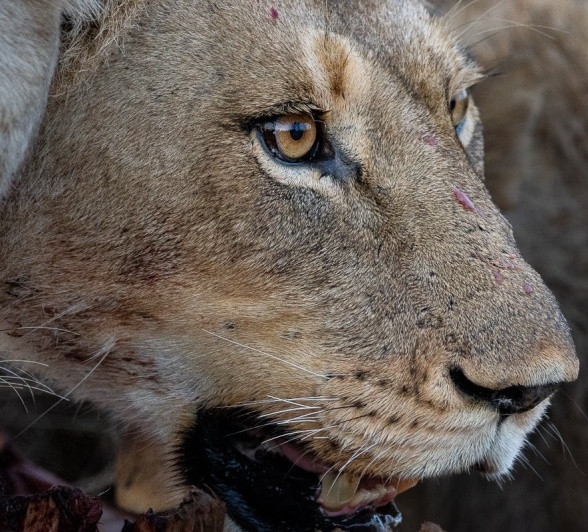
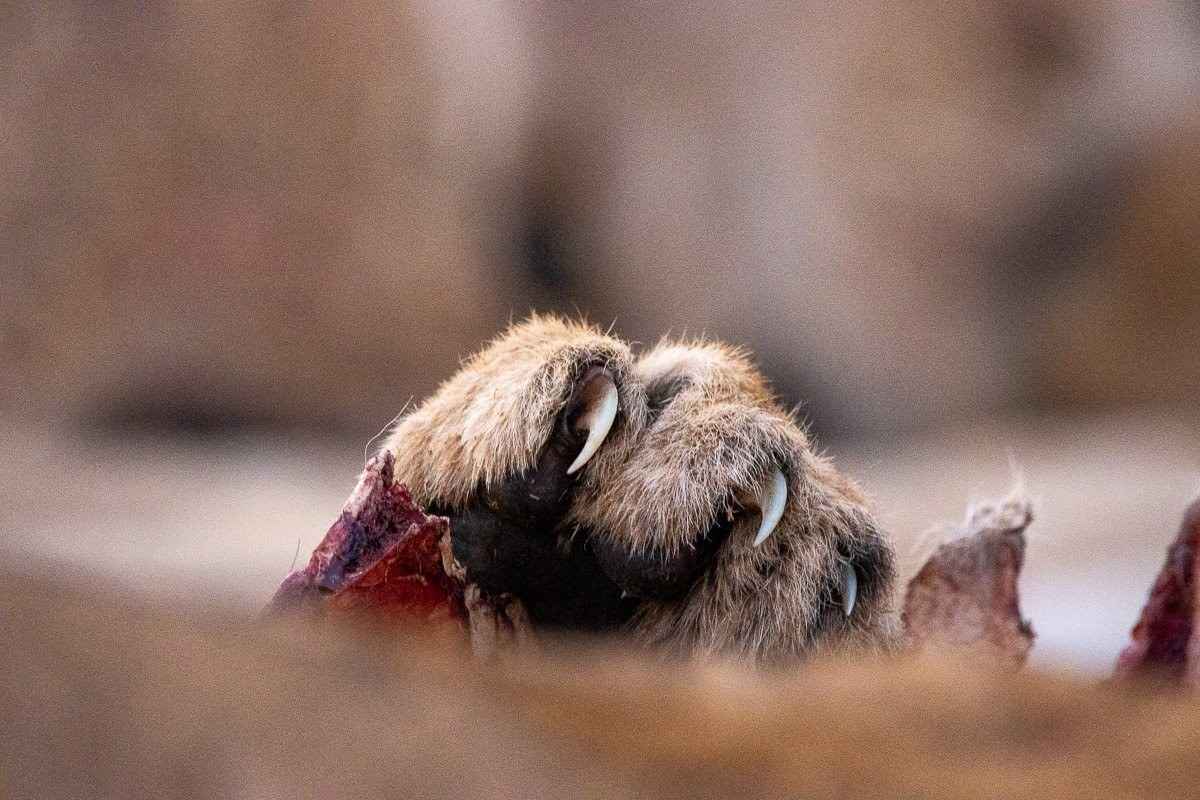
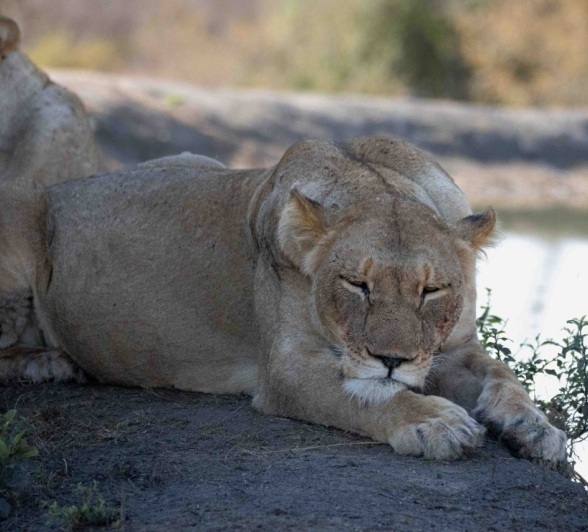
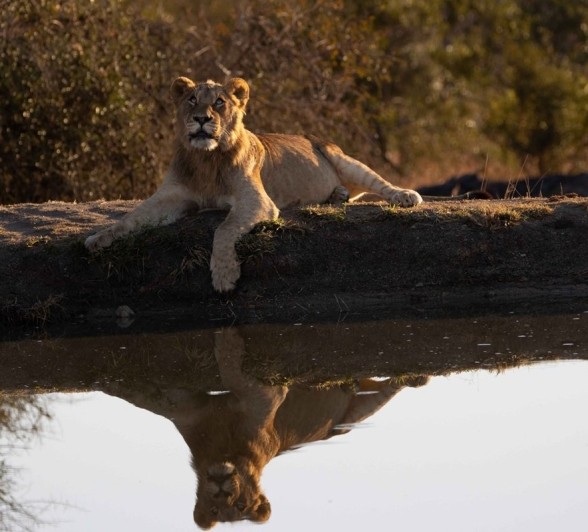
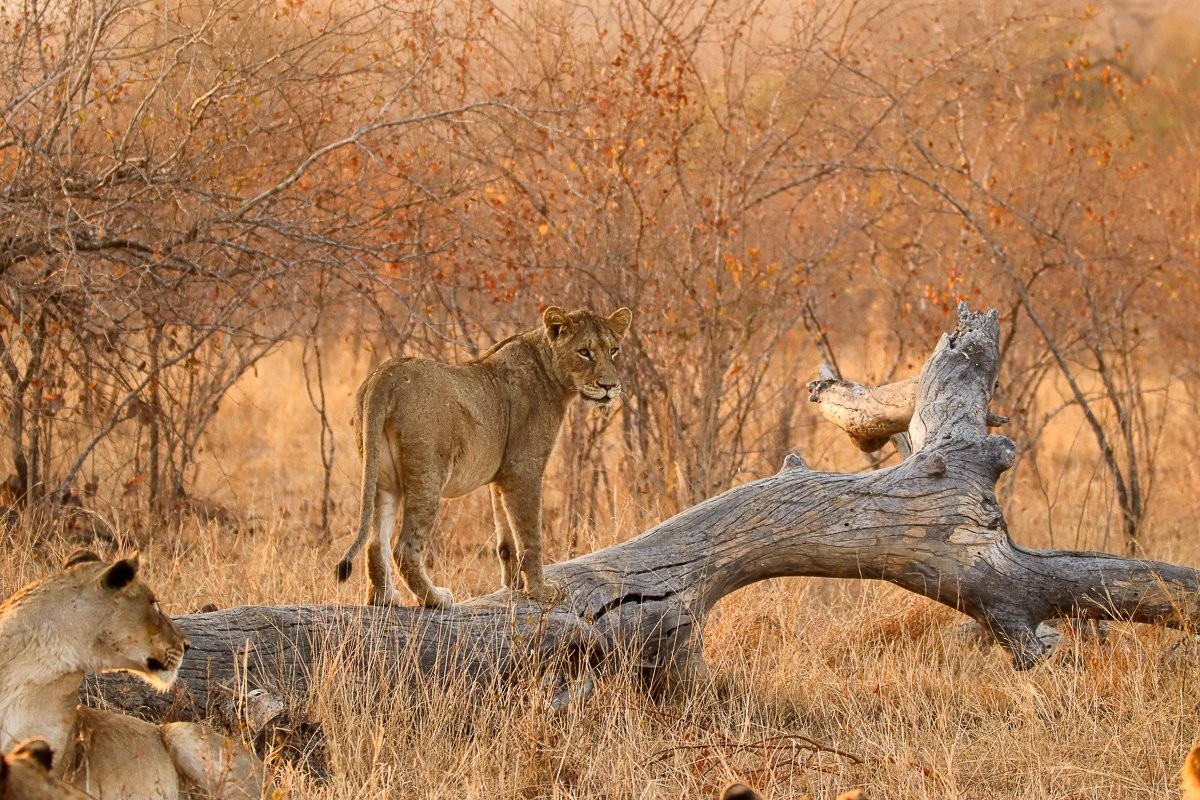
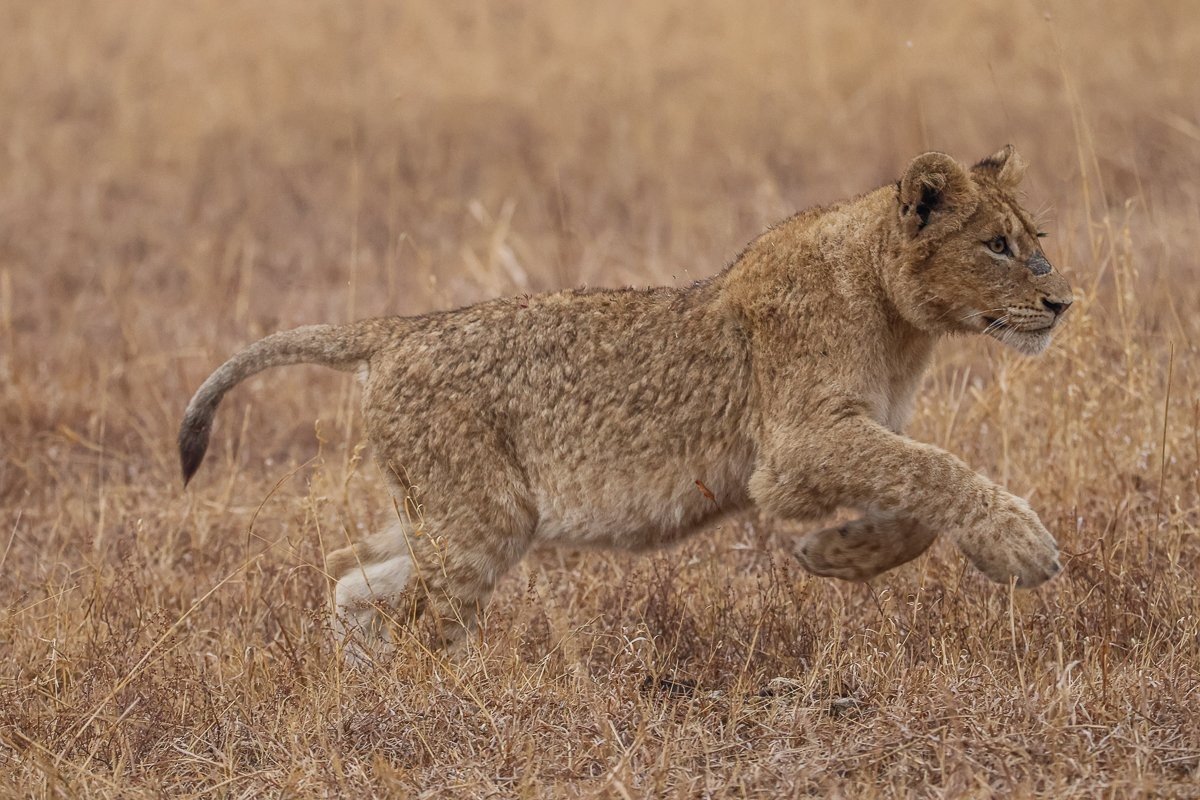
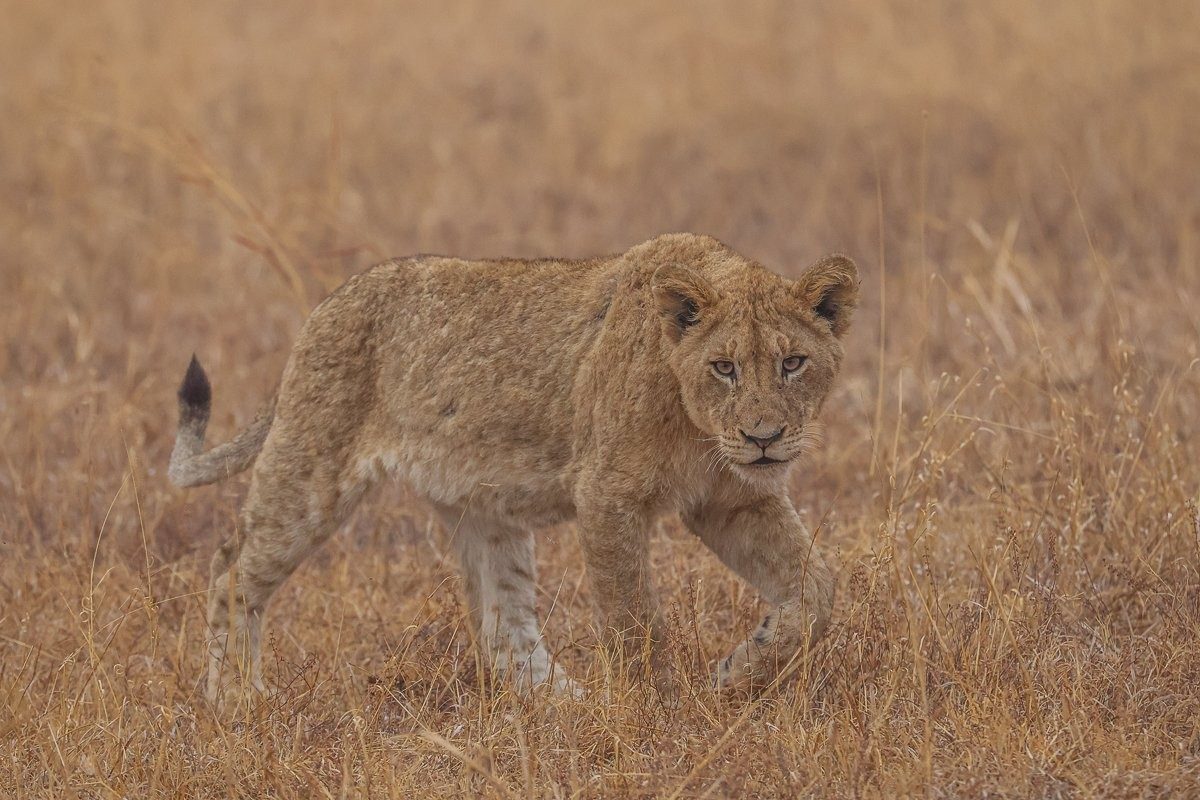
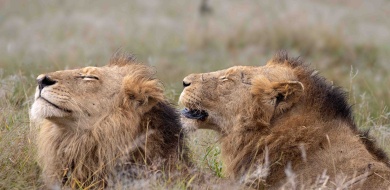
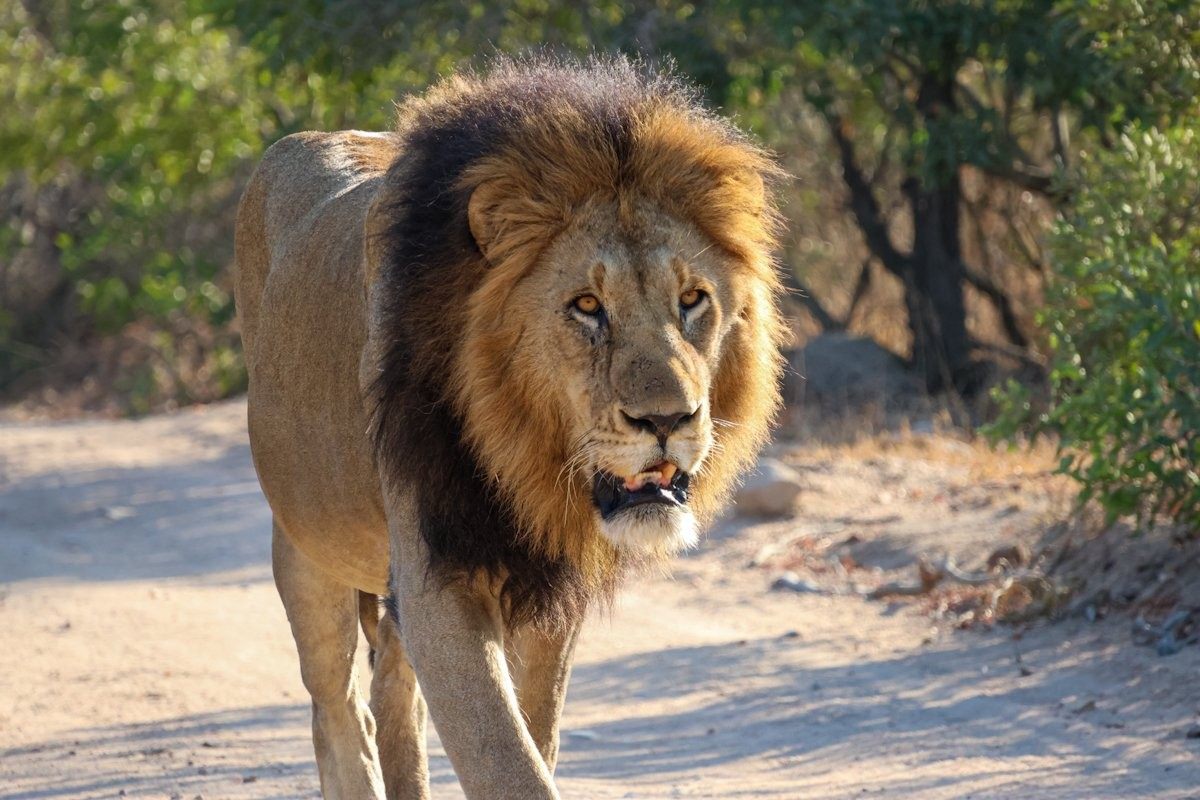
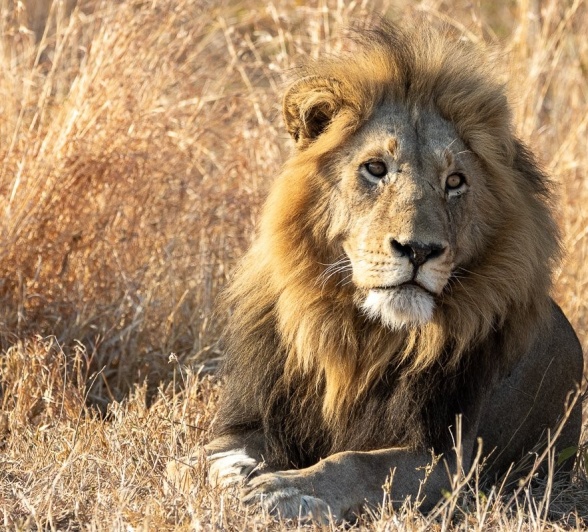
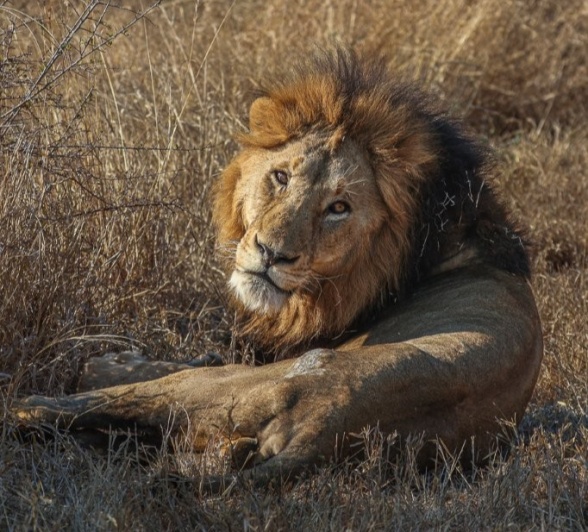
Our morning safari took an unexpected and exciting turn when reports of lion activity came in from the northeast of the reserve. Arriving at a scene of controlled chaos, we caught a brief glimpse of the Styx male with a Kambula lioness making a swift retreat. Moments later, the reason for their sudden departure revealed itself - the Gijima males came striding purposefully down the road, passing us as they pressed on in determined pursuit.
Until next time…
Blog by Wendy Claase
Images by Benjamin Loon, Devon Jansen, Jan Nel, Jana du Plessis, JP van Rooyen, Ronald Mutero and Ruan Mey
Video by Jan Nel