
A Week in the Bush Vol. 512
on Aug 14, 2024What a time to be in the bush!! The past few weeks have provided some amazing sightings, and none more so than the Msuthlu Pride…
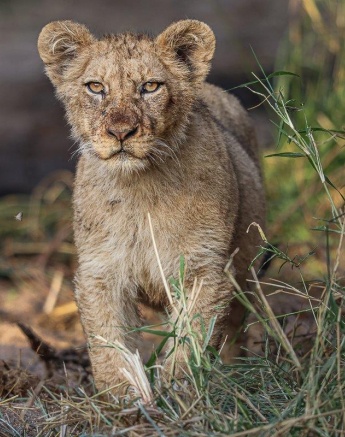
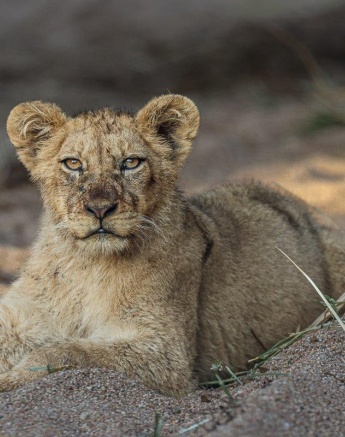
We followed up on the Msuthlu Pride and found them exactly where we left them in the morning, finishing off the remains of their blue wildebeest kill. These lions have had a well-deserved meal and rested most of the day in the cover, but knowing that as soon as night falls, hyenas and potentially other predators might come and inspect so the lionesses led their youngsters away from the remains and towards a waterhole not far away.
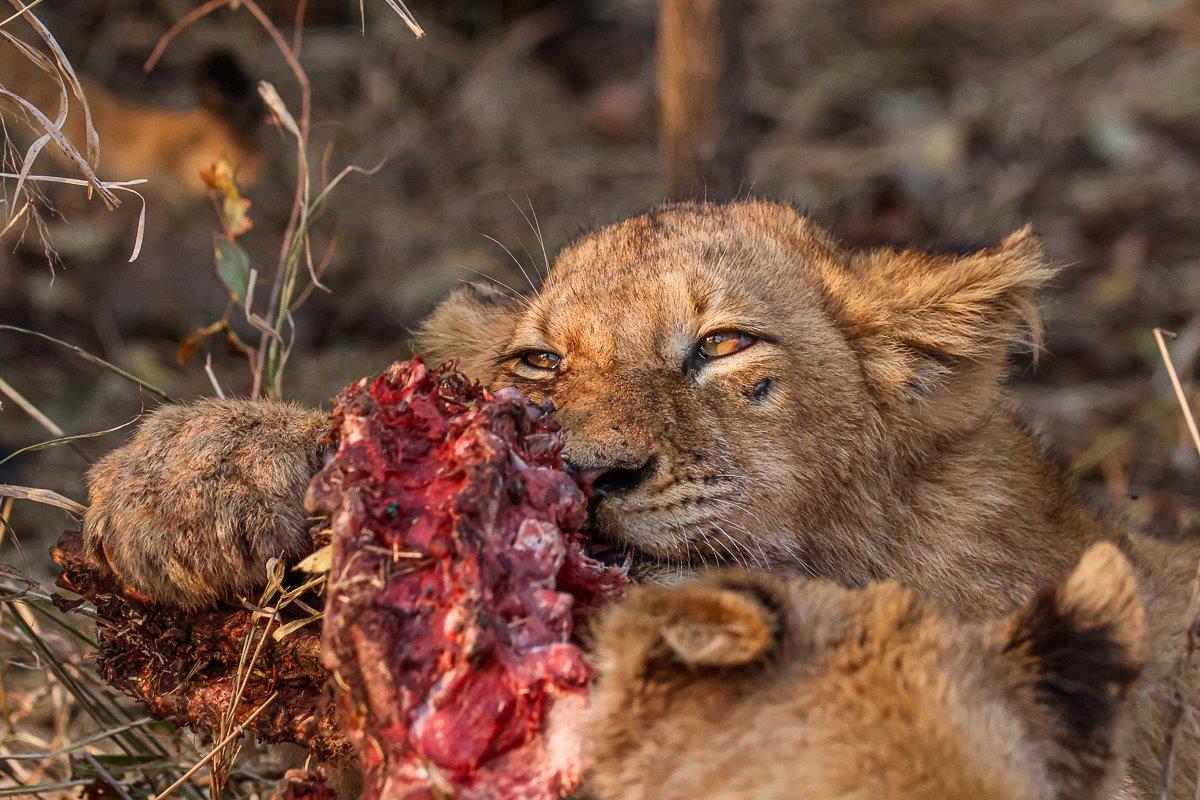
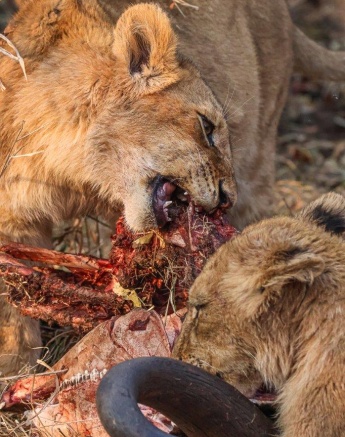
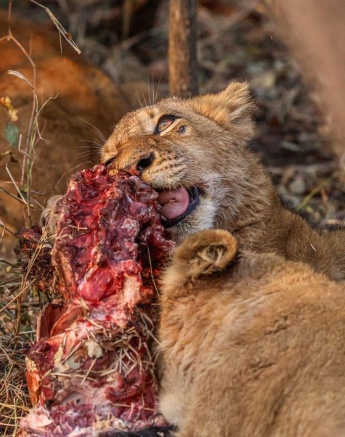
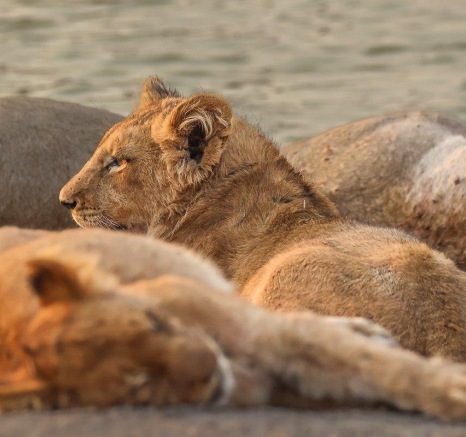
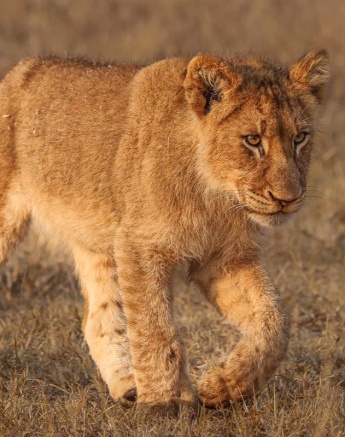
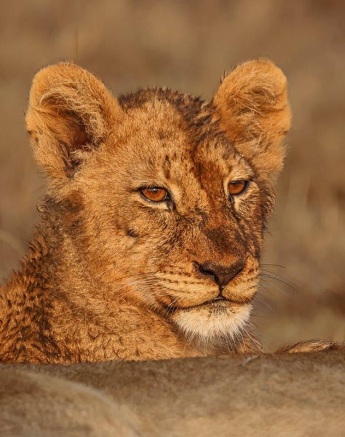
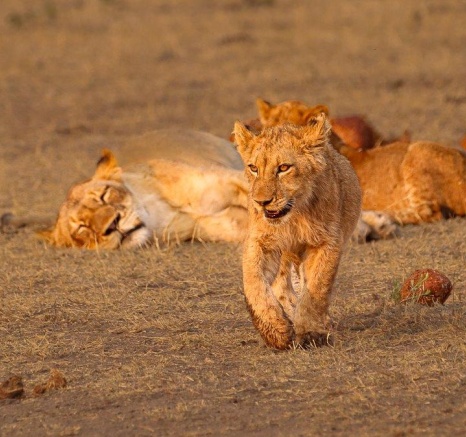
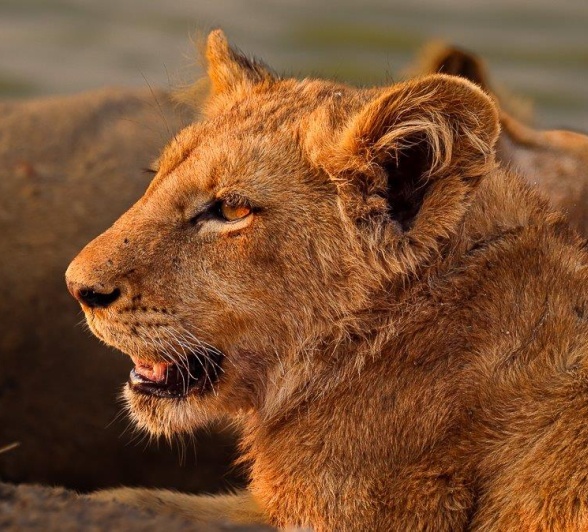
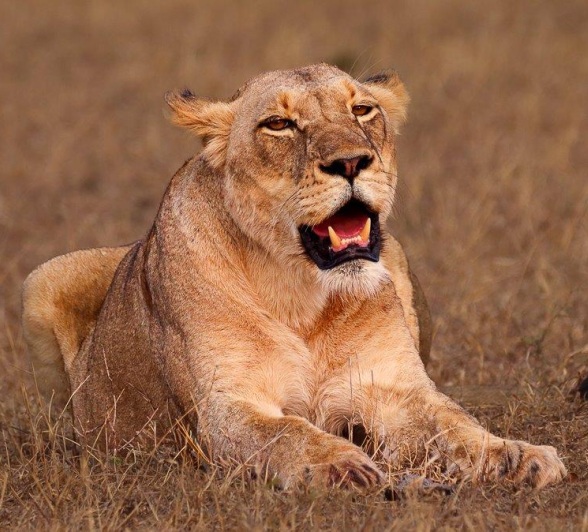
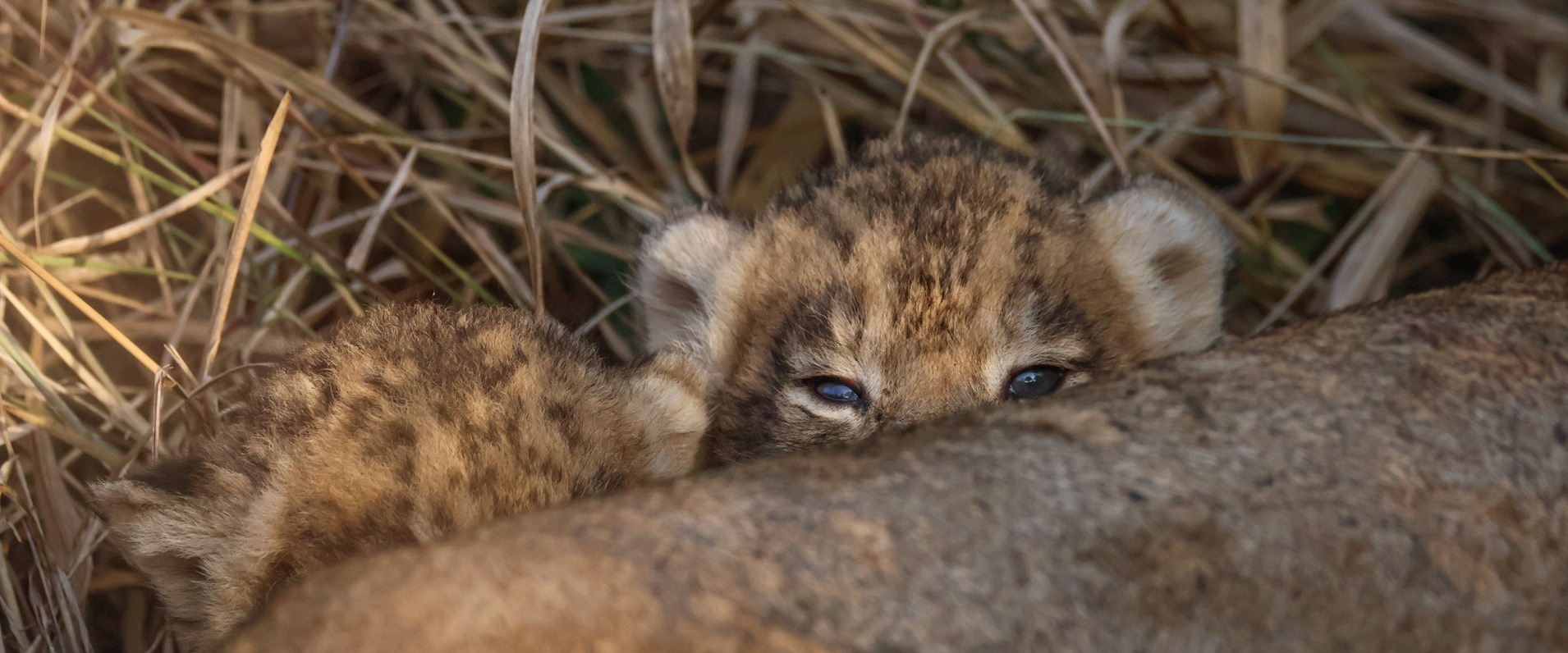
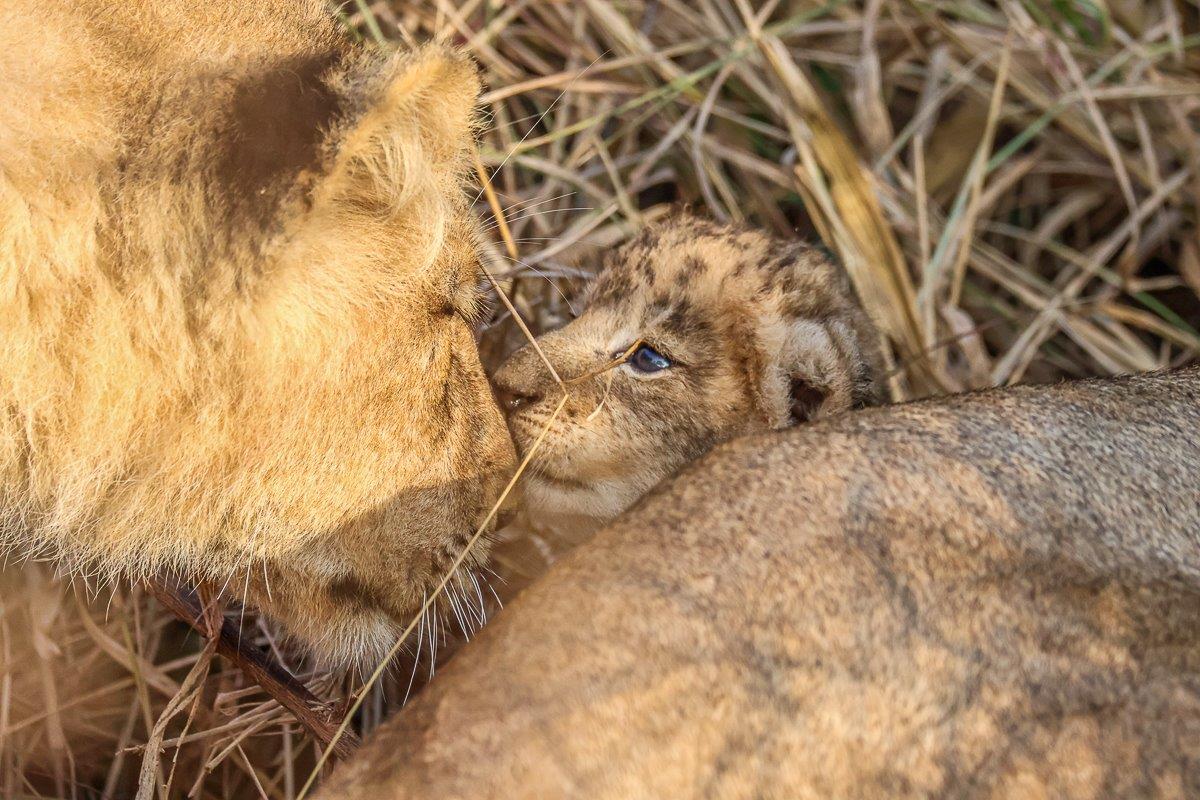
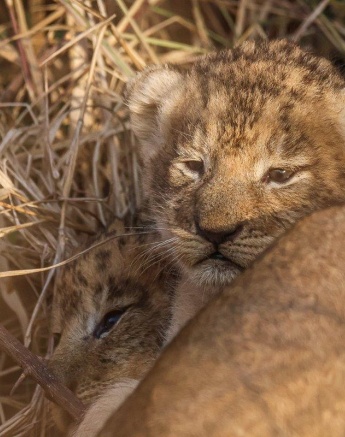
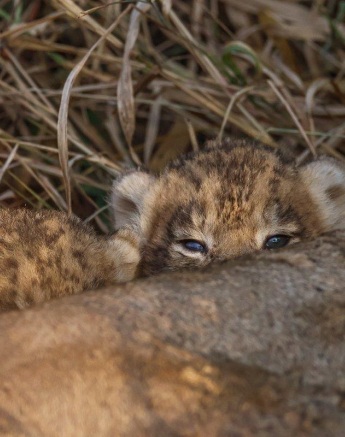
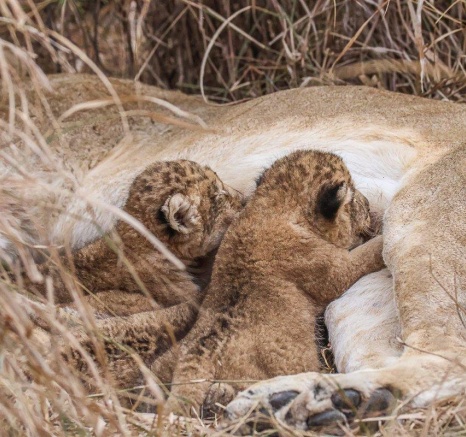
A few days later, we found them enjoying the morning sun, warming their bodies up after a cool evening. We spent some time watching as the cubs slowly became active, playing with each other before moving off to a nearby shady area. As we followed them, we were incredibly privileged to witness what unfolded in our presence. The fourth adult lioness, with all FOUR of her 2-3 week old cubs, were lying in the tall grass. We immediately came to a standstill and kept our distance, knowing these little ones can barely walk and see. The older cubs were constantly smelling them and trying to play, but the mother snarled at them making it clear they are still too young, and they must be careful with the fragile young. It was amazing to see the newest members of the pride. Hopefully these four little ones will live up to the successful name of the Msuthlu Pride.
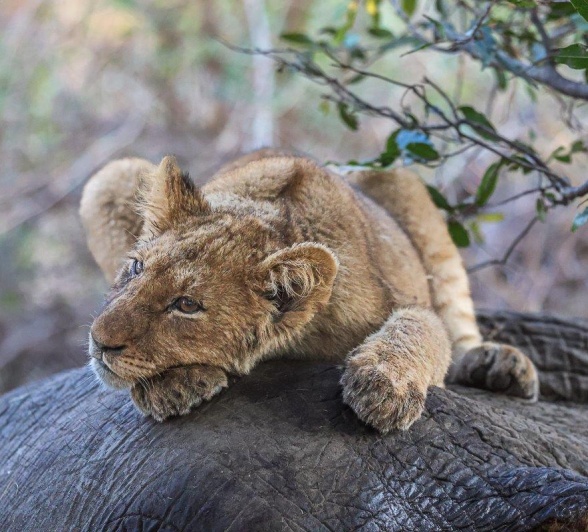
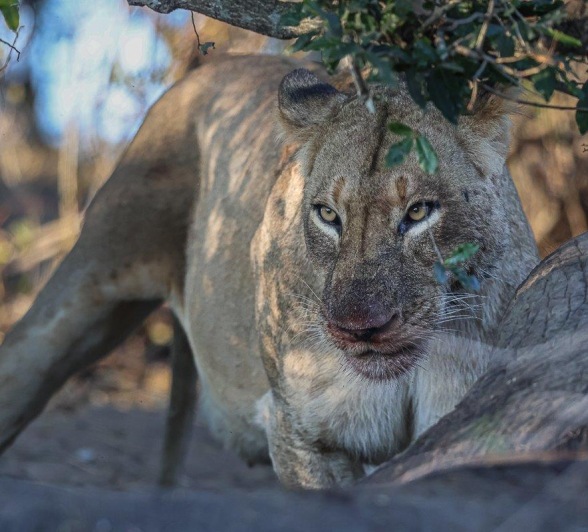
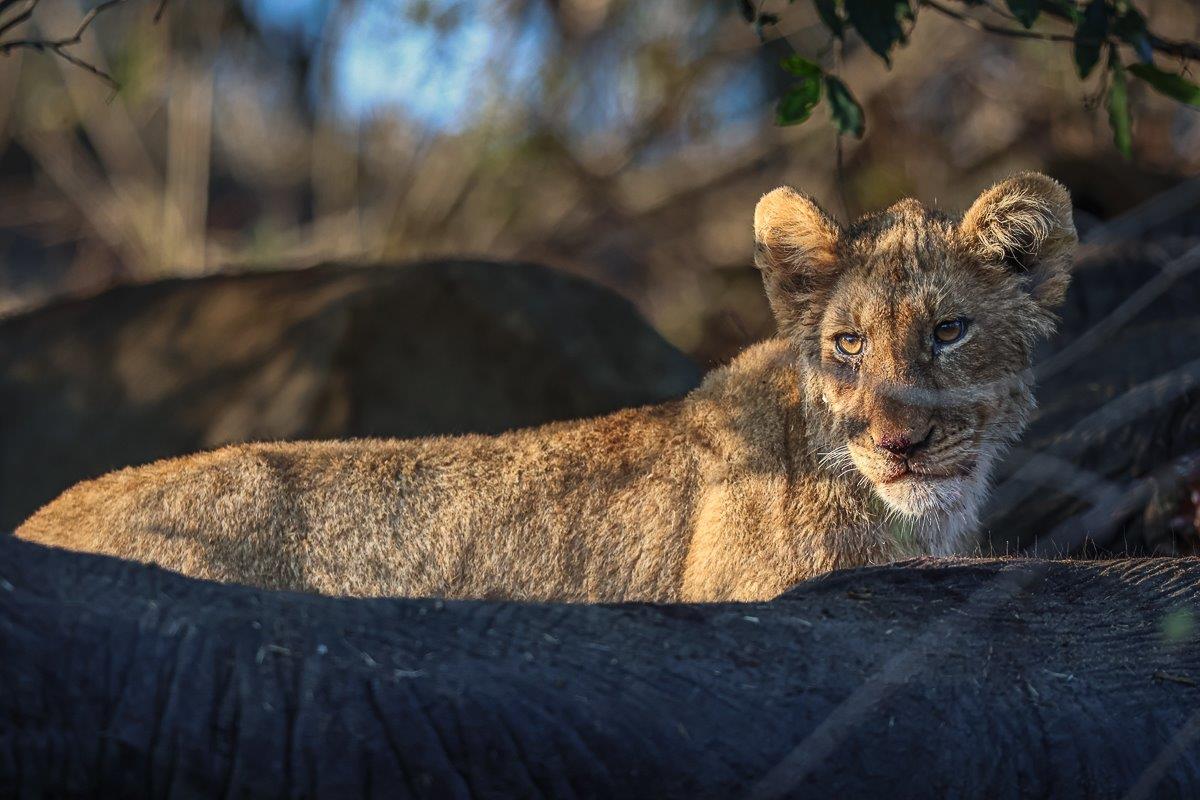
Just when we thought things couldn’t get better for the Msuthlu Pride, we found them on an elephant carcass! It is still unclear if they managed to take the adult elephant down by themselves or if the elephant was in poor condition which made it easier for the lions to take it down. This time of year is generally a struggle for bigger animals, like elephants, hippos and buffaloes as most vegetation has lost most of their nutrients and these big mammals struggle to find sufficient nutrients. This is a massive accomplishment for the Msuthlu Pride and will be a big confidence boost for them. With a lot of meat to eat, this pride will remain at the carcass for a few days.
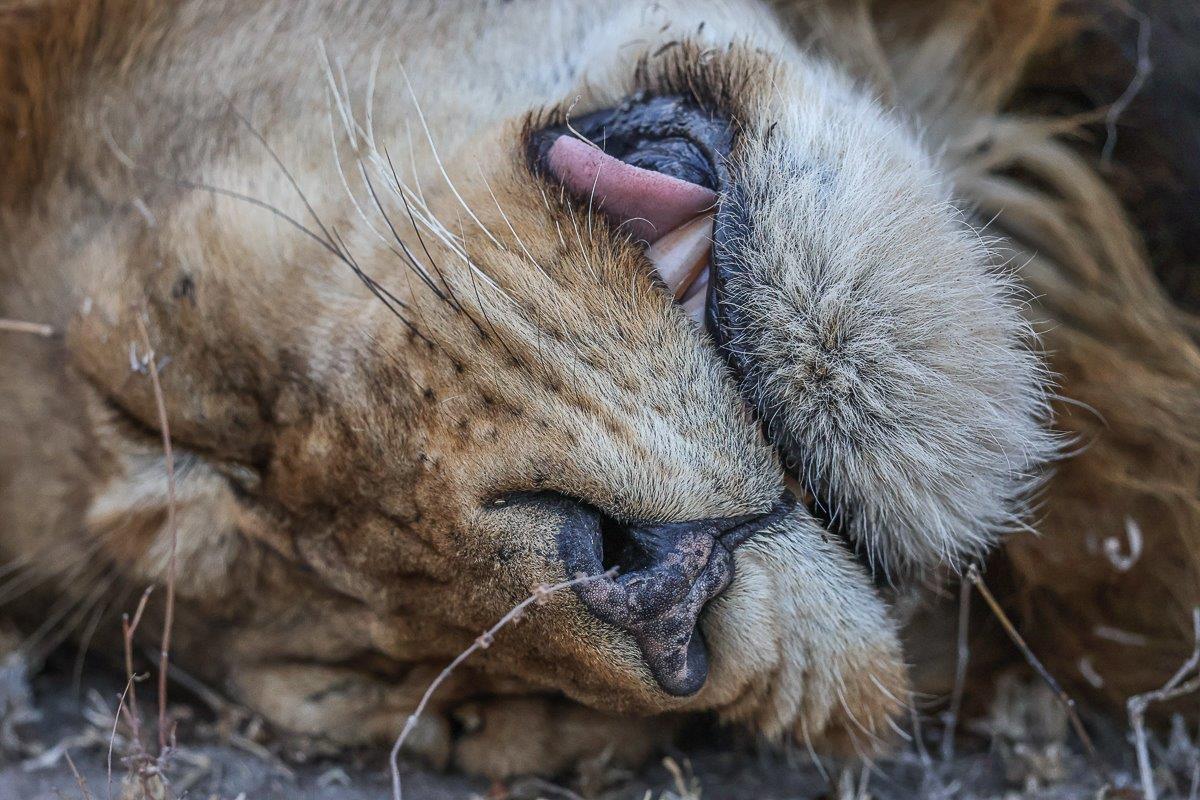
After a long tracking expedition, we managed to locate the two Gijima males sleeping during the heat of the day. These two males are in a very good condition and certainly had a meal recently. With the daytime temperature being very high, these lions will spend most of their day sleeping, avoiding the heat. They are not far from the Msuthlu Pride that is currently on the elephant carcass and will hopefully join them soon to continue their feast.
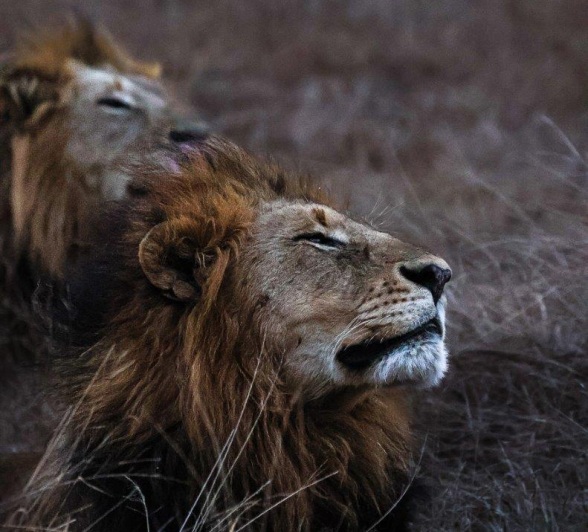
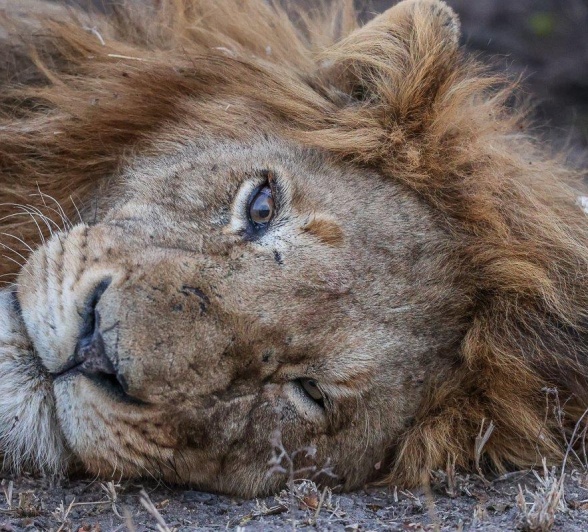
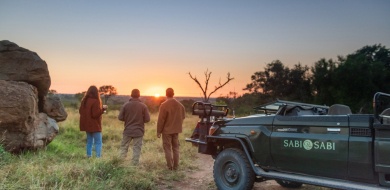
Heading out on safari from Earth Lodge took an unexpected turn, as we left, we found tracks of a lion pride. We decided to follow up and after covering the outer edges of the area without any tracks crossing out, we decided to walk into the area and see if we could find any more tracks.
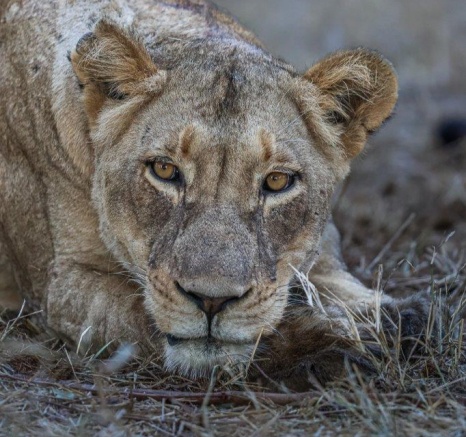
Our safari team of Ruan and Donald walked in and after a couple of minutes of not finding anything, they saw a movement and as they got a better visual, saw a rhino cow and calf ahead. As they walked around them, they heard the growling of lionesses so slowly returned to the vehicle to inform their guests of their experience. They made their way back towards the area in the safety of the vehicle and were spoiled by a calm sighting of the Southern Pride. They looked very healthy and clearly had a meal recently as the cubs were all suckling and sleeping the day away. We knew the lions would move on soon to keep the cubs safe.
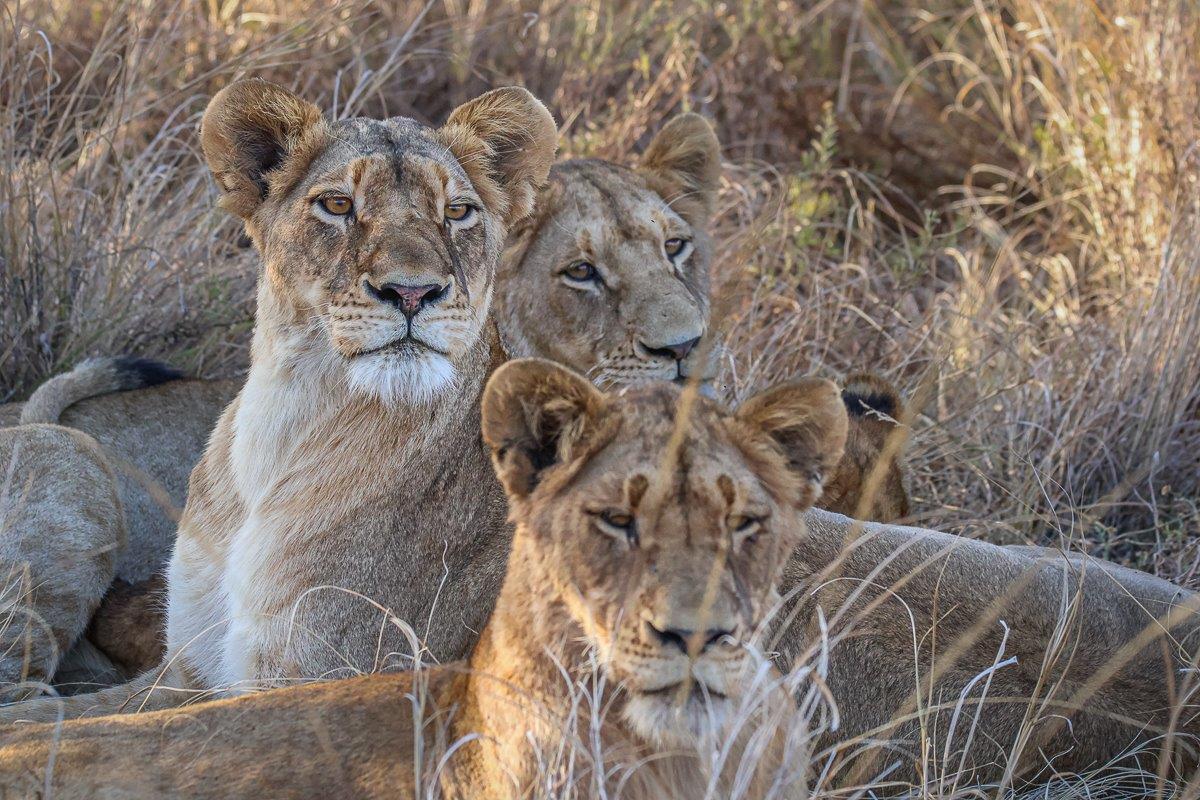
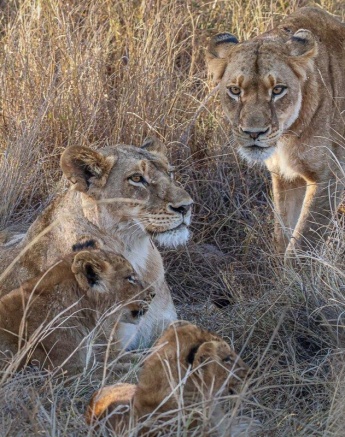
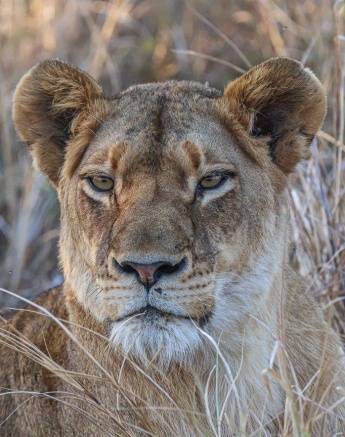
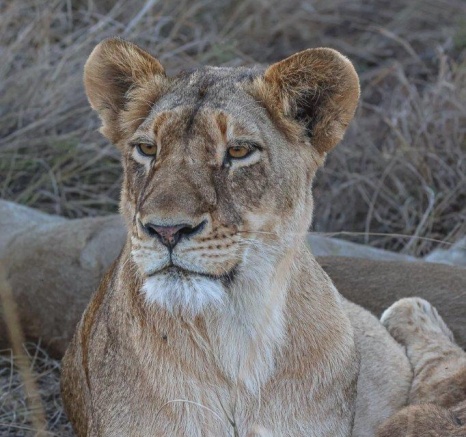
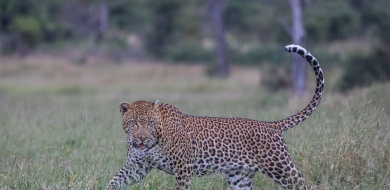
Sightings of Golonyi have been regular of late. She was walking down a road, zig zagging through the thickets, trying to keep the wind in her favour as she was still hunting. Unfortunately, she had no luck with her hunt. Later, she found a comfortable spot to bed down for the day before getting active again, trying to hunt and secure a meal.
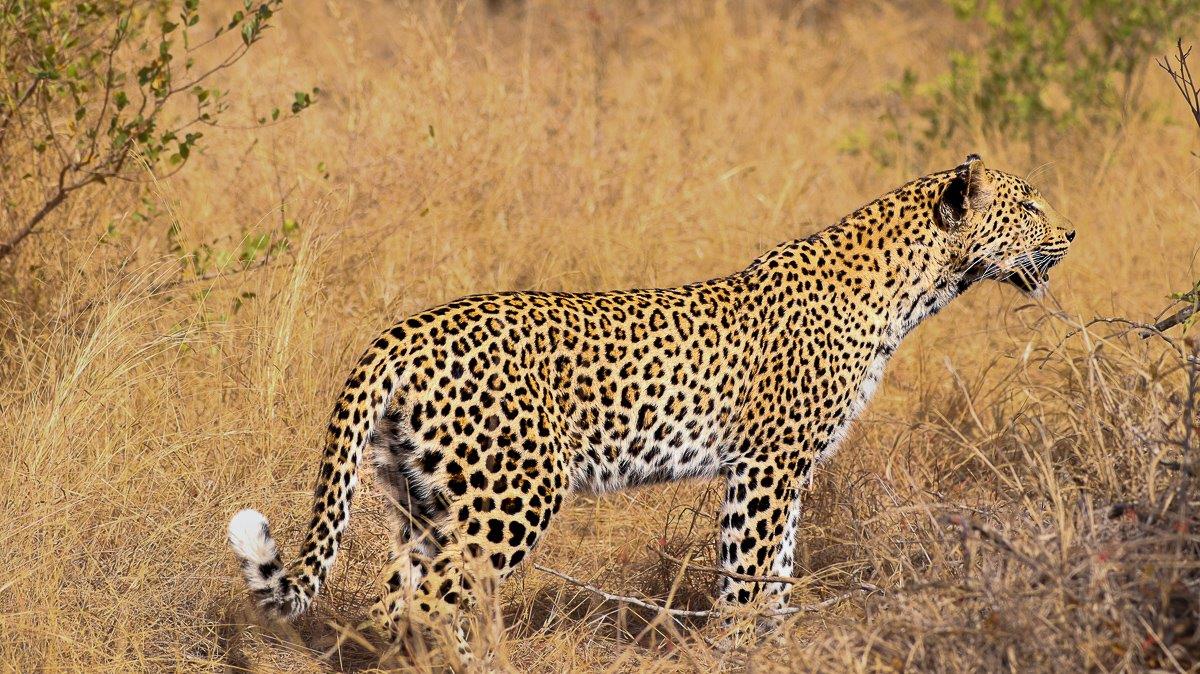
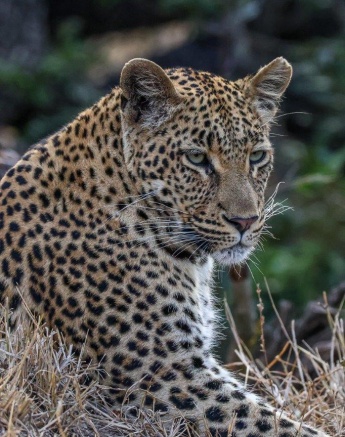
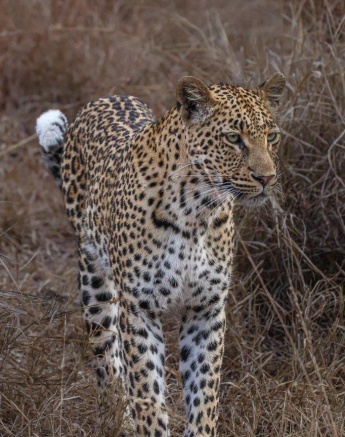
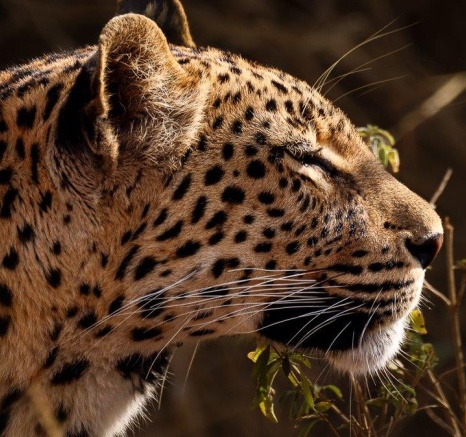
In a subsequent sighting of Golonyi, she was moving within striking distance of some waterbuck. With no luck and realising the waterbuck might be a little too big for her to take down, she continued down the road, scent marking as she walked. Golonyi could be on the lookout for a male to mate with as she was constantly sniffing every tree she passed, spraying her own urine to advertise herself to the dominant male.
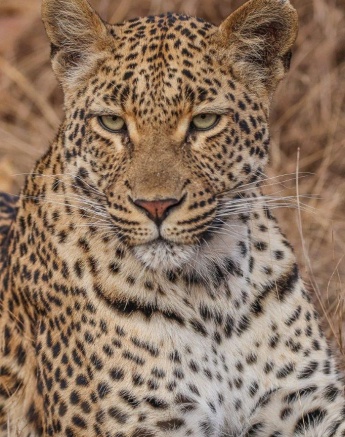
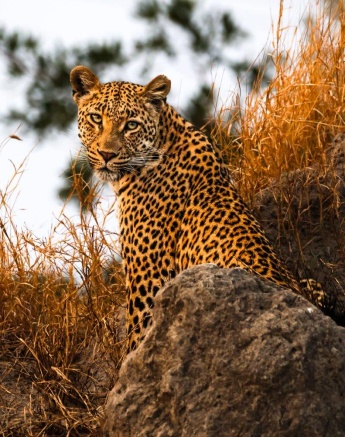
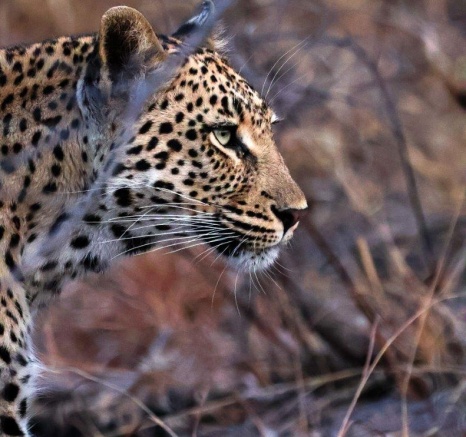
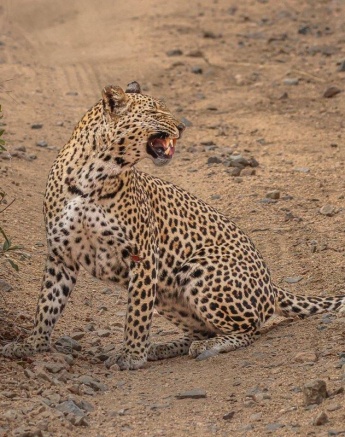
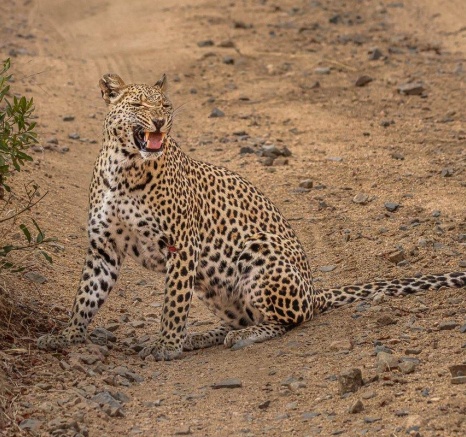
We encountered Ntsumi as she was walking along a road in the far western part of her territory. She was following something, and this was evident from the "flehmen grimace" she displayed, indicating that she was following a male leopard that had recently passed down the same road, marking his territory.
Leopards, like many other animals, exhibit the "flehmen grimace" to test the hormone levels in urine using an organ beneath their top lip. This helps them determine whether an individual is ready for mating or not. With Ntsumi’s offspring reaching an age where they start to move away from her and separate, she will soon be ready to mate again, and she is already actively seeking a potential mate.
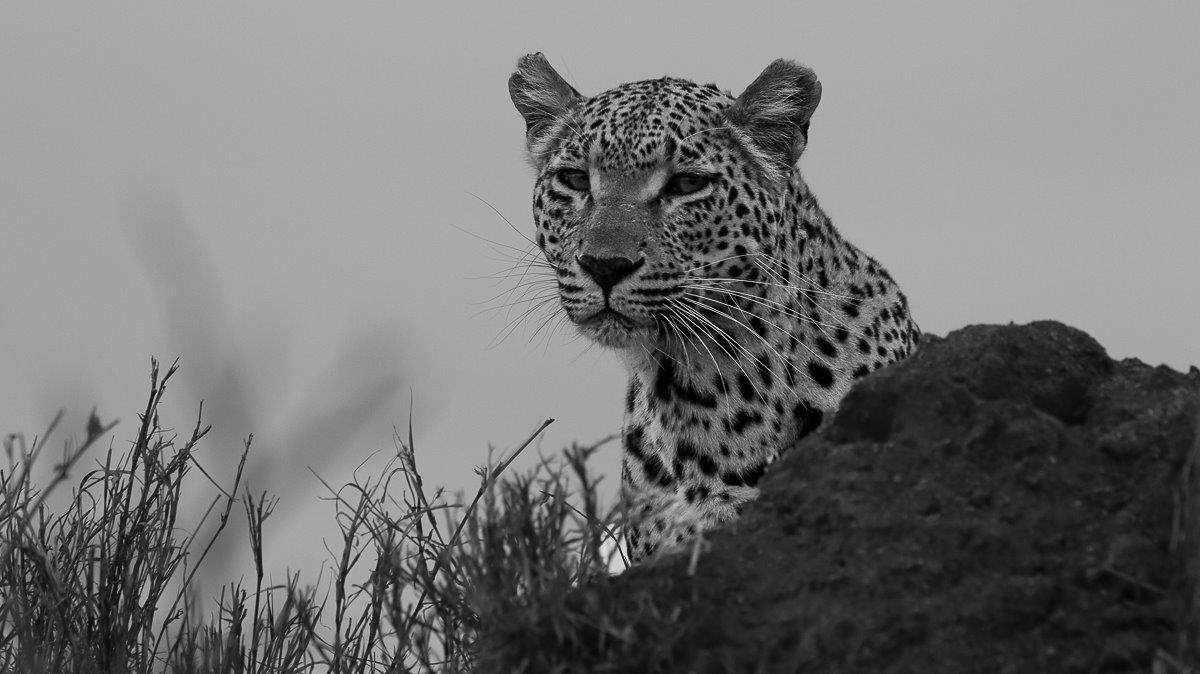
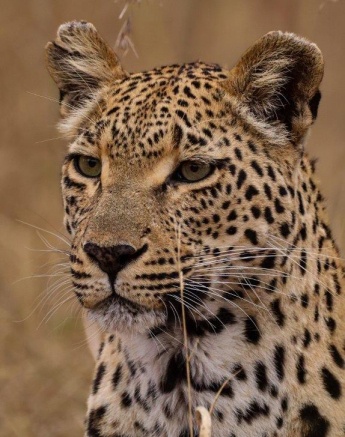
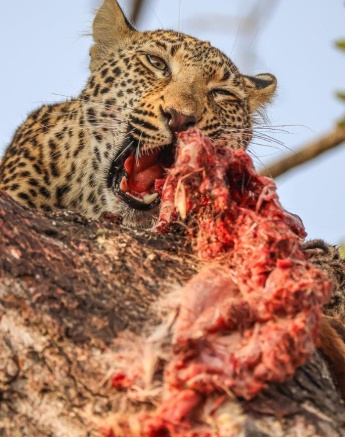
After a brief sighting of Ntsumi the evening before, hoisting her impala kill into the tree before disappearing into the thickets we decided to follow up in the morning, knowing that she most likely went to fetch her daughters to join her. As we arrived the next morning, we found Ntsumi and both daughters on the kill, with most of the impala already devoured.
The solitary structure is busy kicking in for the youngsters, as they do not spend time together feeding, the one feeds in the tree while the other waits at the bottom, as soon as that one comes down the other one goes up again to feed. Within the next two months or so these young sub-adults will start venturing off and start their own stories.
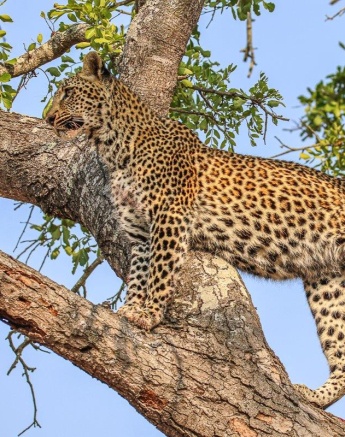
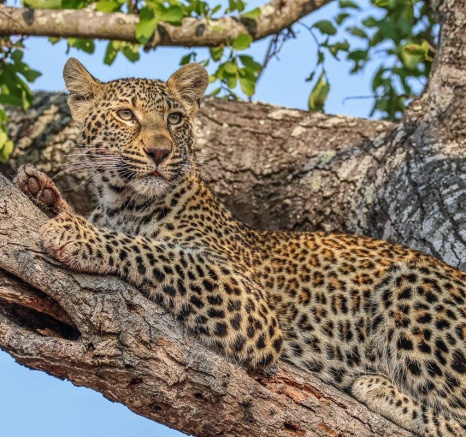
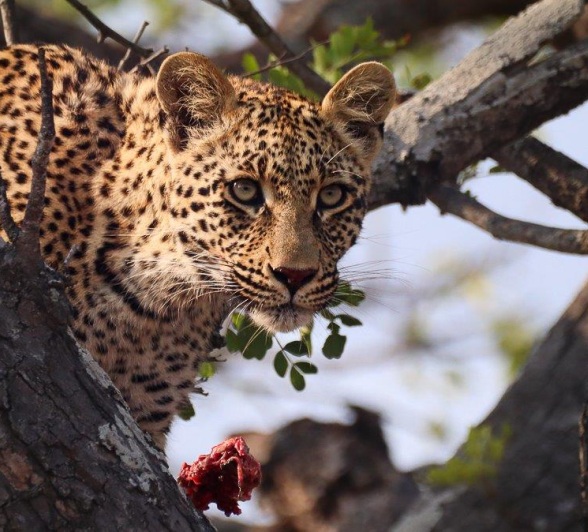
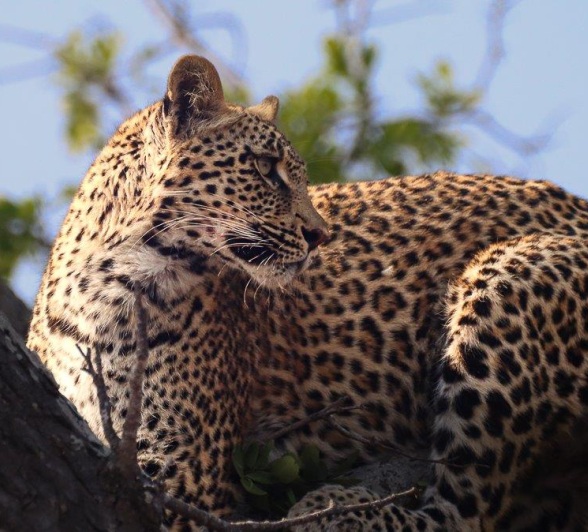
Prior to us seeing mother and cubs on a kill together, Ntsumi’s cubs have been seen in the same area while their mother hunts quite a distance away. This is a sure sign that they are nearing full independence and need to fend for themselves.
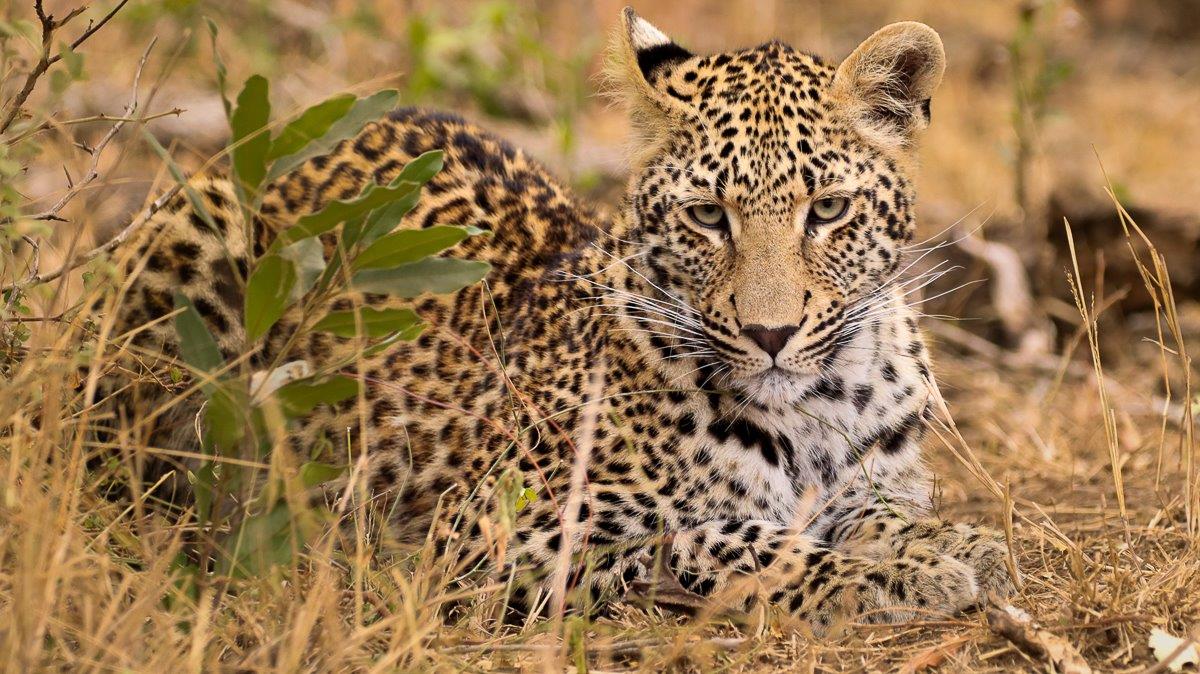
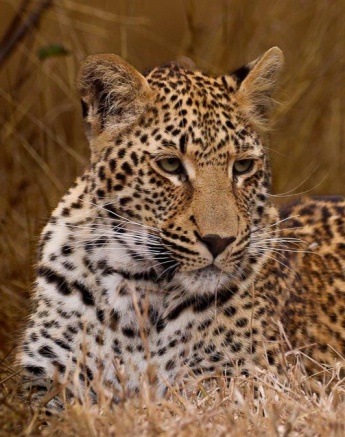
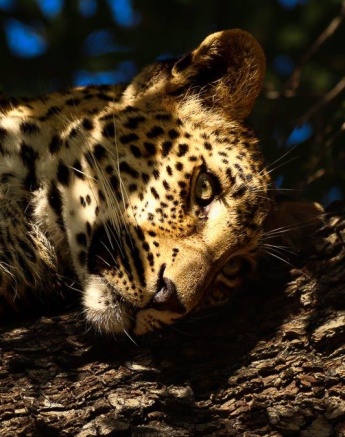
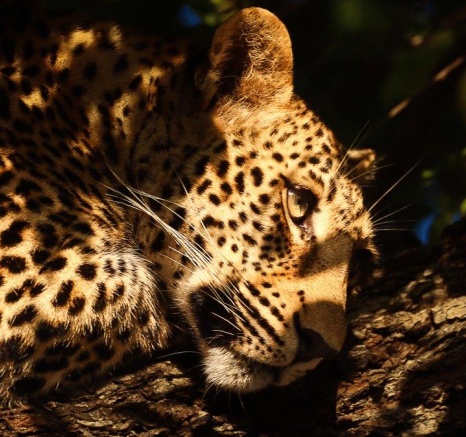
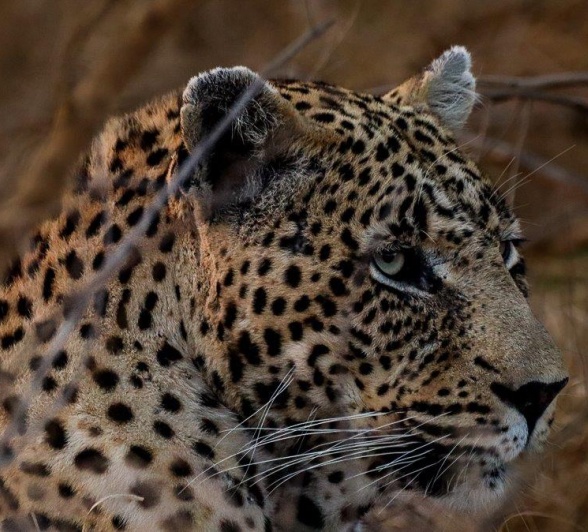
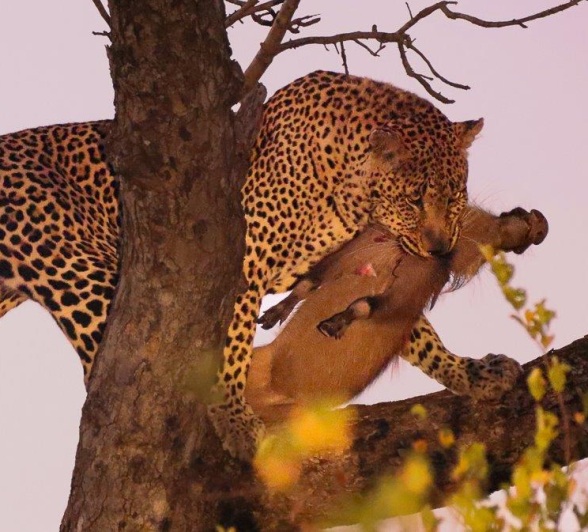
The N'weti male leopard spent most of his day at a termite mound. After leaving in the morning, we returned in the afternoon to find him still there. Leopards are patient animals and can wait for long periods before stalking their prey. His patience paid off when a warthog dashed out of a burrow and he caught it. He then swiftly hoisted it up a tree as hyenas quickly arrived on the scene.
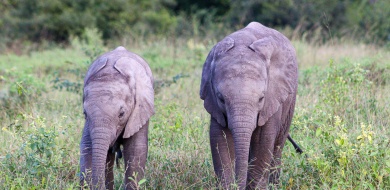
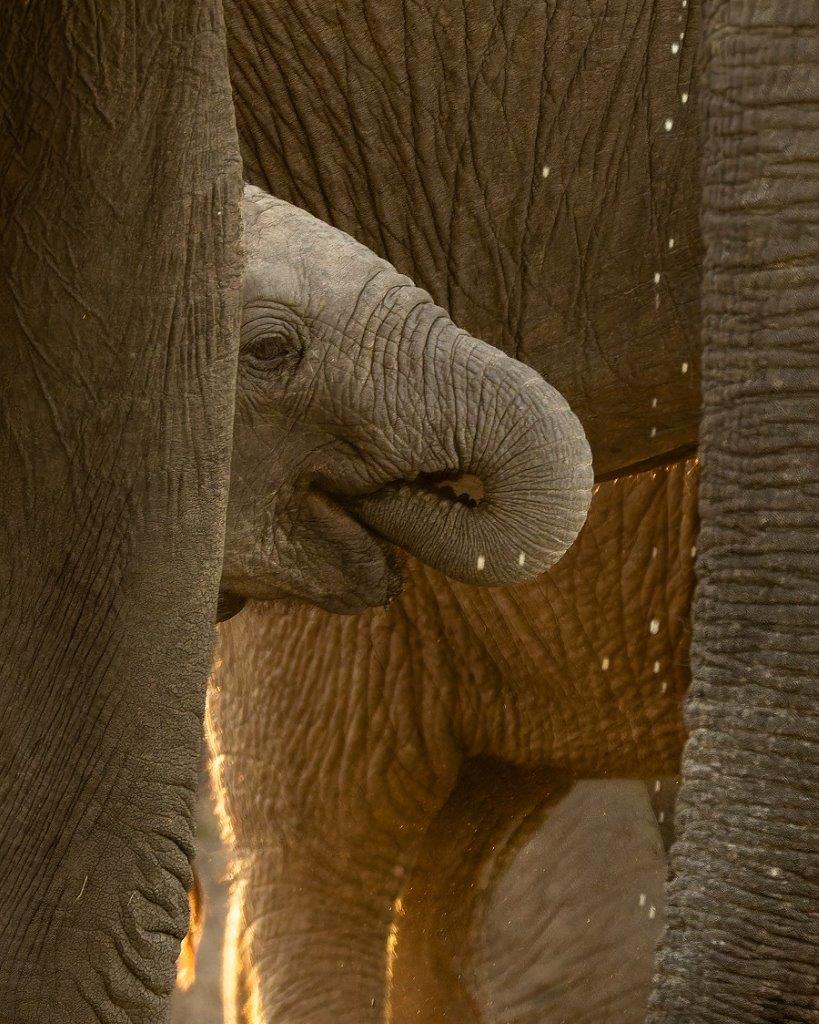
Standing between mother’s legs for comfort, this baby elephant enjoys a drink in the golden light of the late afternoon.
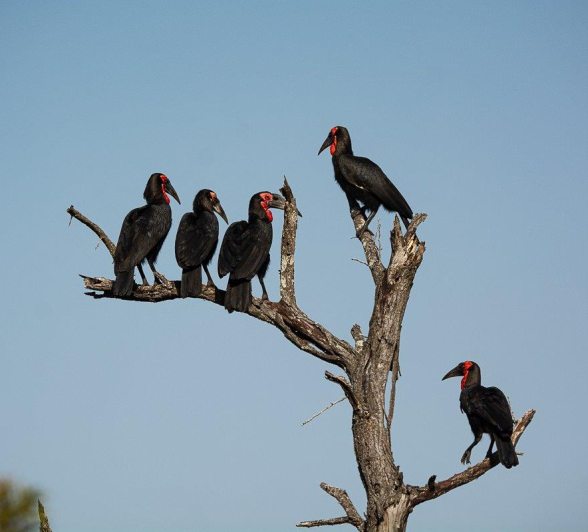
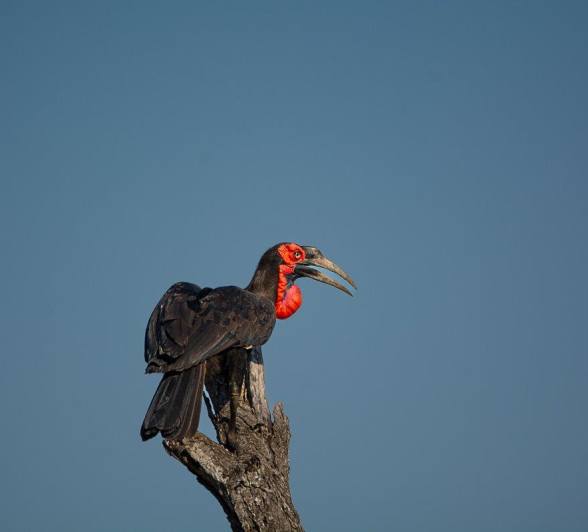
Southern ground hornbills prey on small animals that they can catch and mostly swallow whole. Their prey species include insects, larvae, snakes, rodents, small mammals, and even young scrub hares. Remarkably, these birds can crack the shells of tortoises with their large bills. Because they are an endangered species, spotting them is always a thrilling experience.
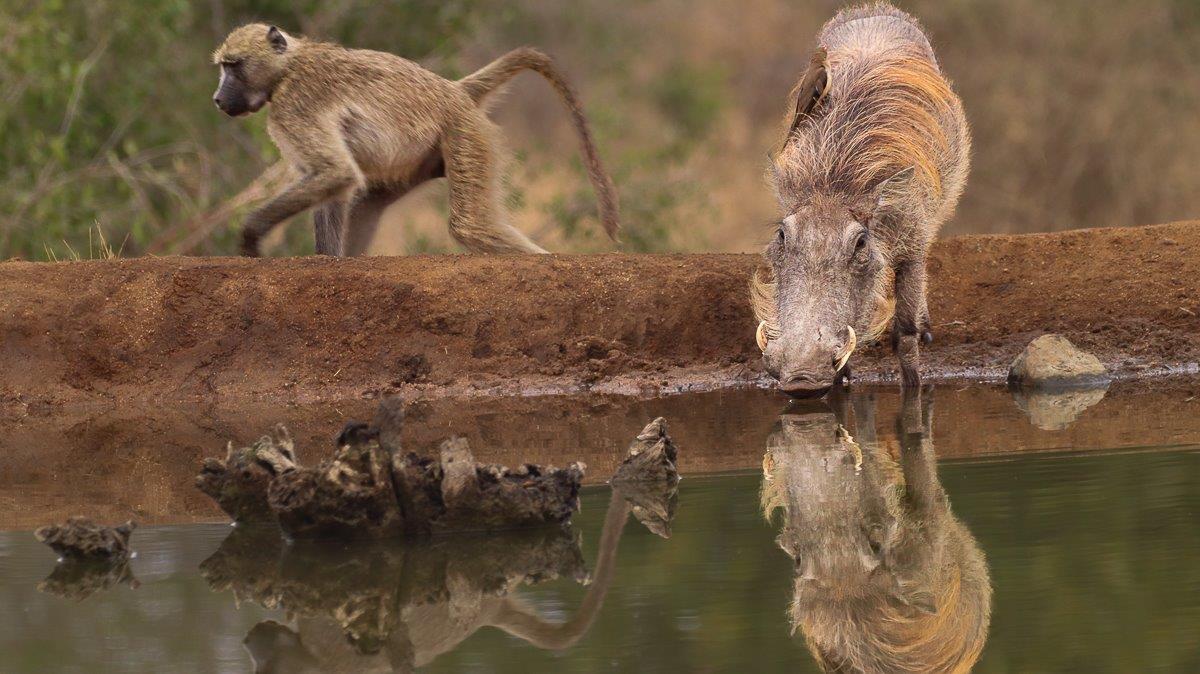
Warthogs are loved by many when on safari. We often see them kneel on their front knees to eat because their short necks and long legs make it easier for them to graze. Their muscular necks can't get their heads low enough to the ground to eat while standing. Warthogs often share waterholes with baboons and impalas as baboons can climb trees and see threats from afar and alert them to any danger.
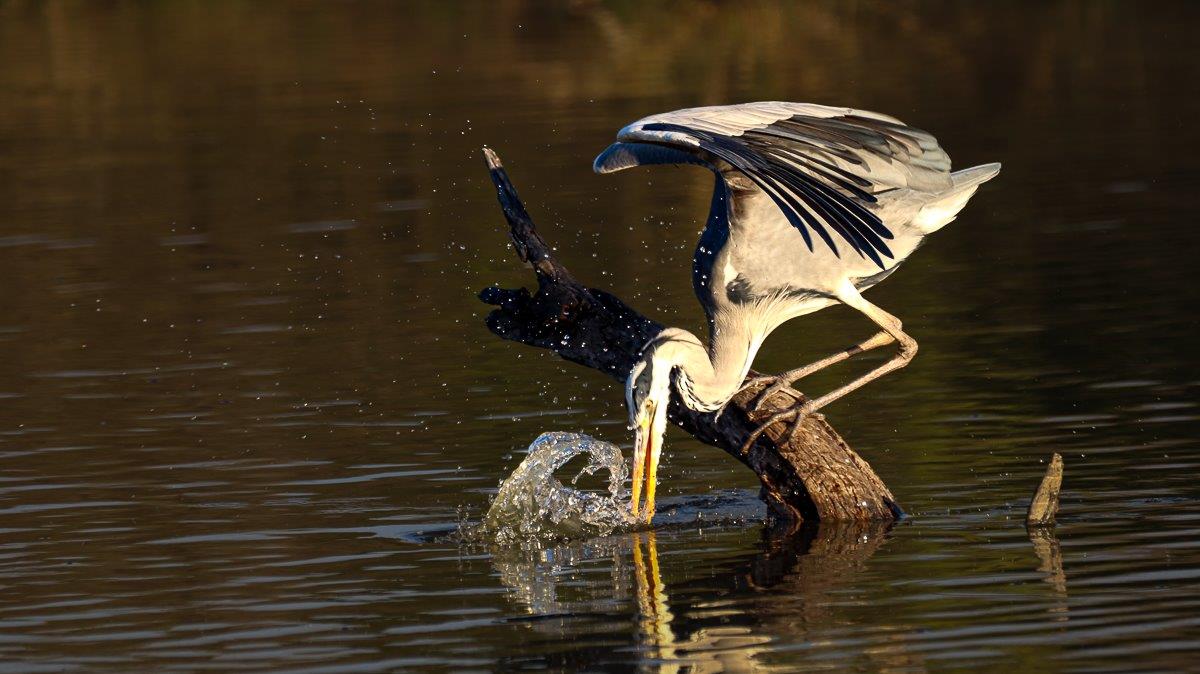
It was fascinating watching a Grey heron fishing in shallow water. It moved incredibly fast before jumping onto a log and catching a fish. As we move further into our dry season, most waterholes that flourished during summer are starting to dry up. Often, fish and other water creatures get stuck in the mud, and these herons and other animals take advantage of this easy meal.
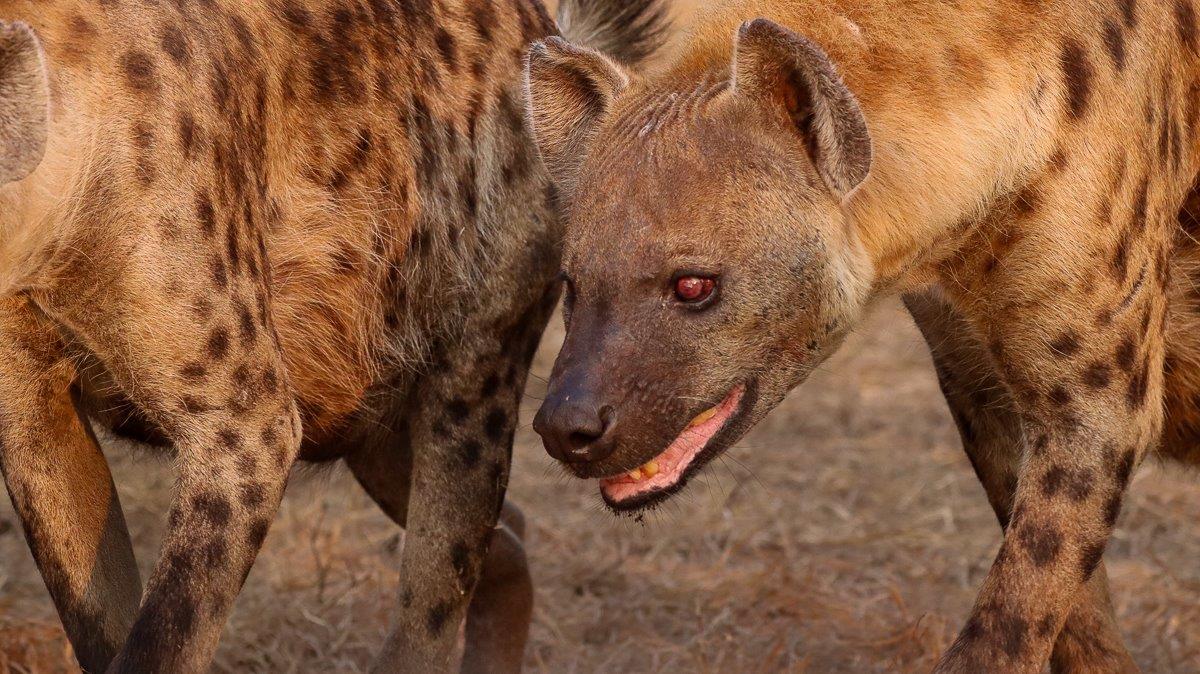
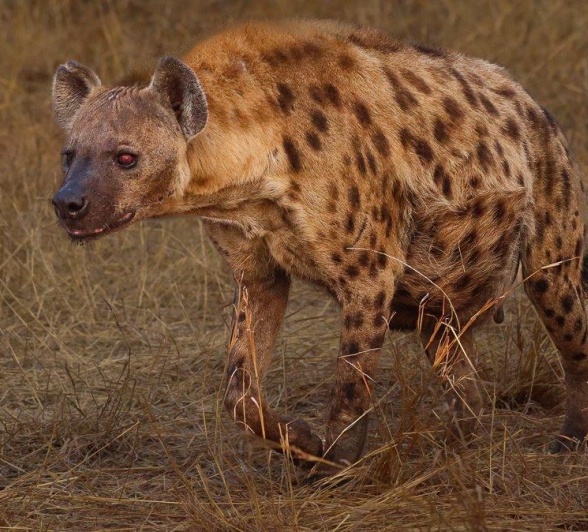
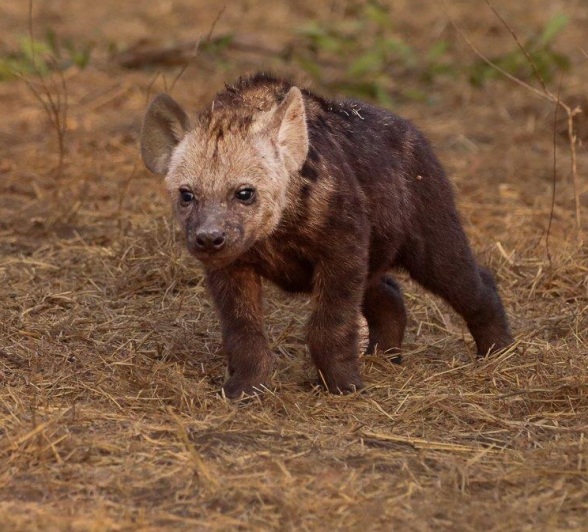
We discovered a hyena den few weeks ago and we revisited area to see what we could find. A few hyenas appeared of which one looked heavily pregnant. Later, two very shy cubs emerged from the den, so we observed them from a distance. Hyenas are known to bring food to the den site for the young or other hyenas and this was evident at this site with horns and some bones lying around.
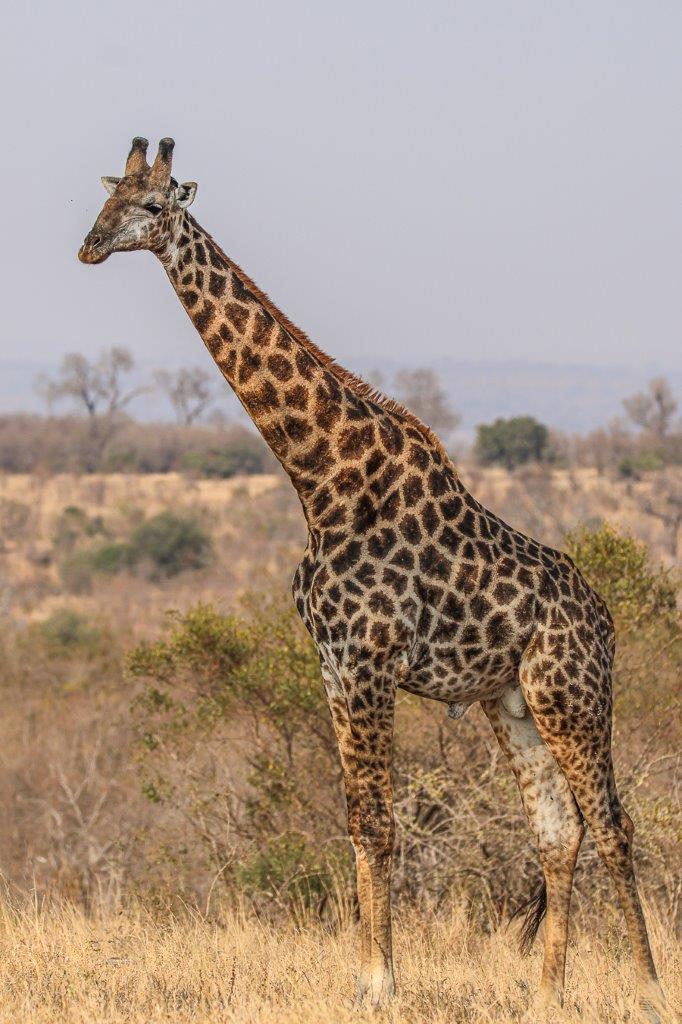
The portrait of a lone giraffe bull standing, overlooking an open area, scouting for any danger that might be ahead gave us a picture-perfect opportunity to photograph him. Giraffes are often seen around other species as well, mainly for the fact that other species often use giraffes as a security system. Because of their height, they usually spot predators long before other prey animals, and as they start staring into the direction of danger, or moving away, other animals also become aware of the potential danger.
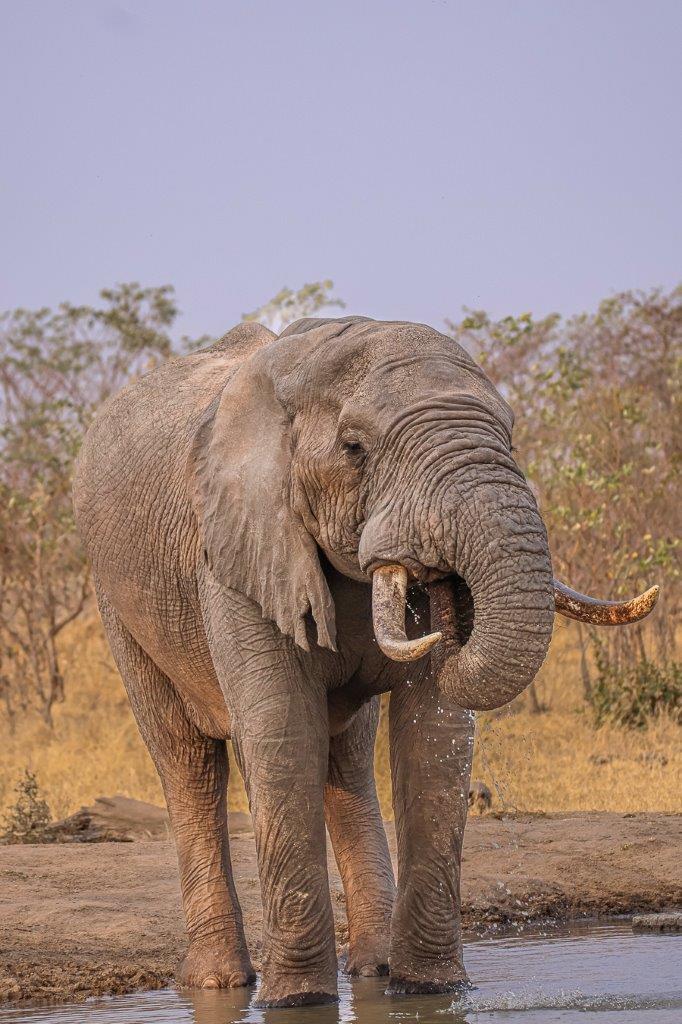
We watched this beautiful elephant bull gracefully moving towards a waterhole to quench his thirst before retrieving back into the thickets to continue his feeding. Elephants are water dependent animals meaning they must drink water every day and with water sources getting scarce this time of the year, elephants are generally concentrated around the more prominent waterholes where they know they will find water.
Until next time…
Blog by Wendy Claase
Images by Benjamin Loon, Coenraad Stapelberg, Ronald Mutero and Ruan Mey