
A Week in the Bush Vol. 477
on Oct 18, 2023The week got off to a cool, wet start but sightings were still incredible!
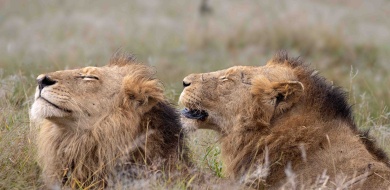
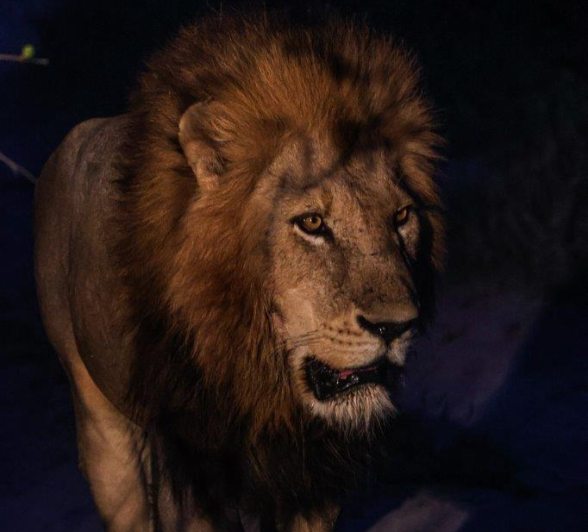
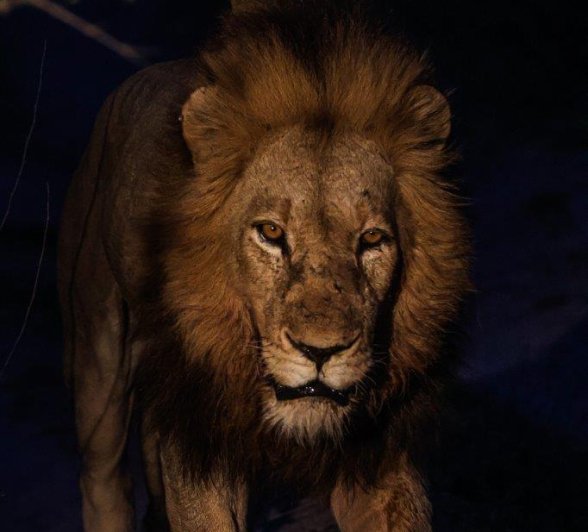
Shortly after leaving Bush Lodge, we found one of the Gijima males mating with a Talamati female. A short distance away, we came across the other Gijima male with another Talamati female. These lions have been mating regularly throughout the week.
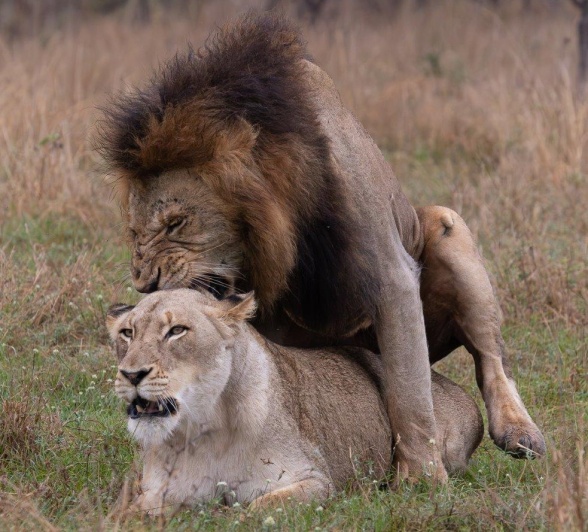
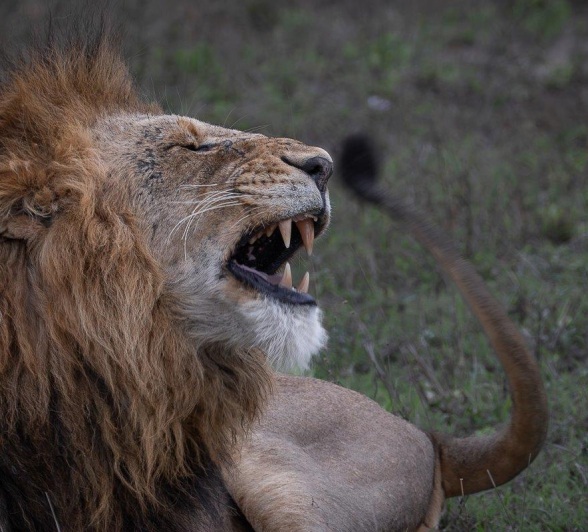
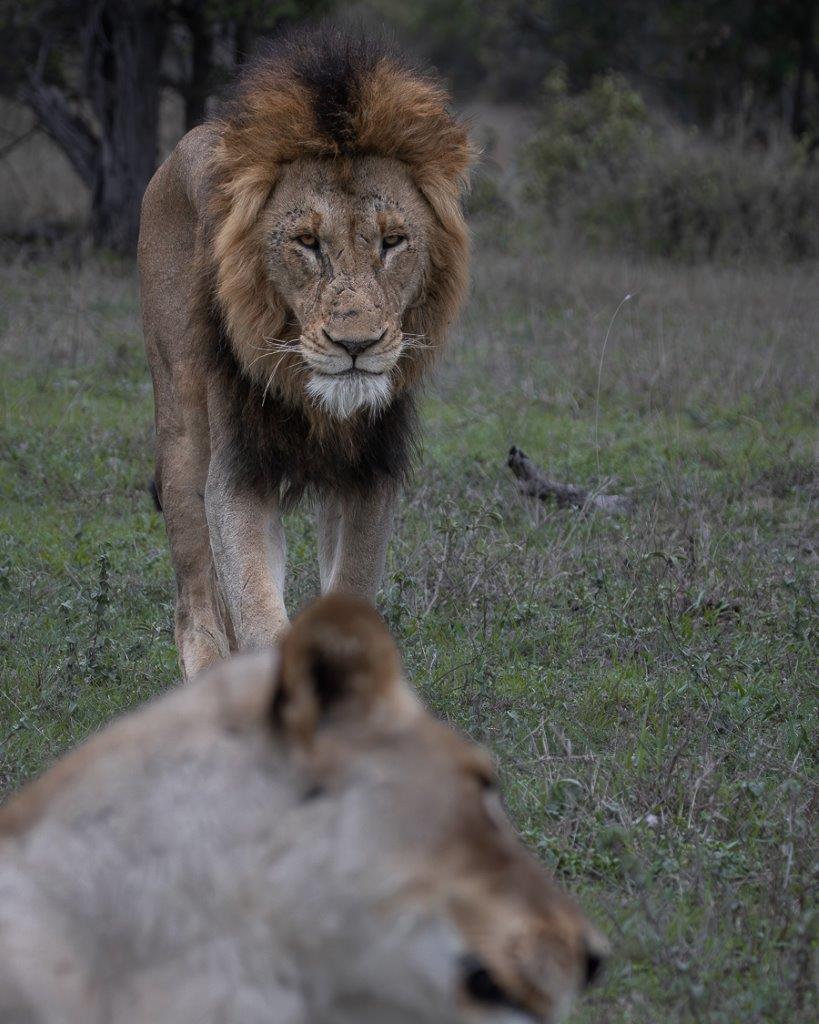
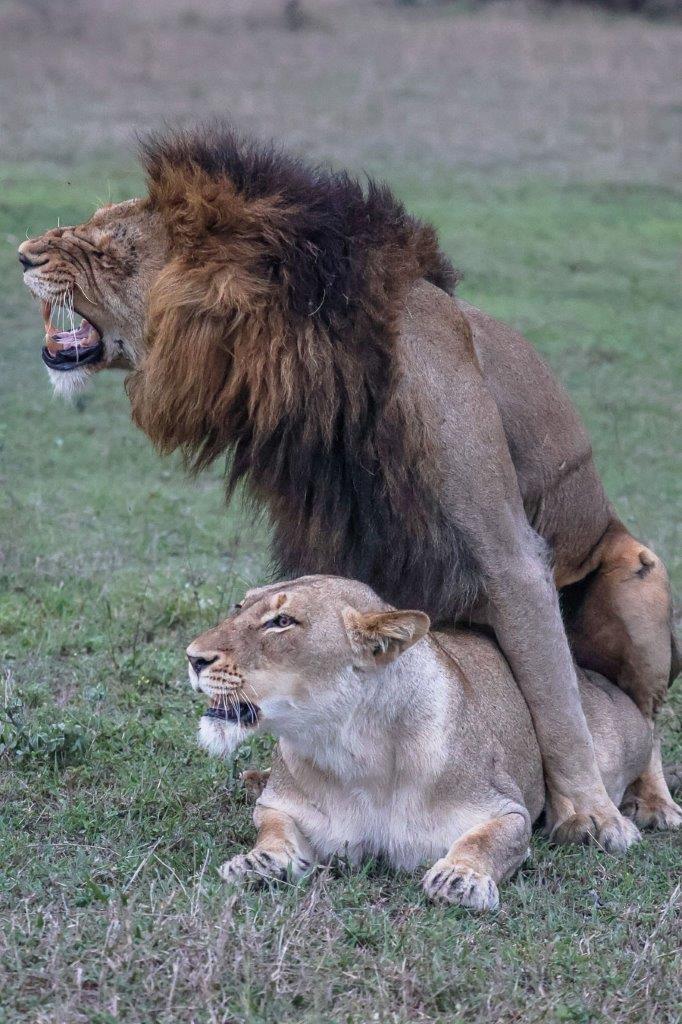
In our last sighting of them this week, the females moved off as the sun set and left the males behind. Shortly after, the two males started following the females’ scent to catch up, they were scent marking all along the way and we were treated to a lion roaring right next to us before they carried on into the thickets. Males often roar declaring their dominance over their territory and warning any potential rival males of their presence and these two males have incredible confidence at the moment which makes them extremely dangerous.
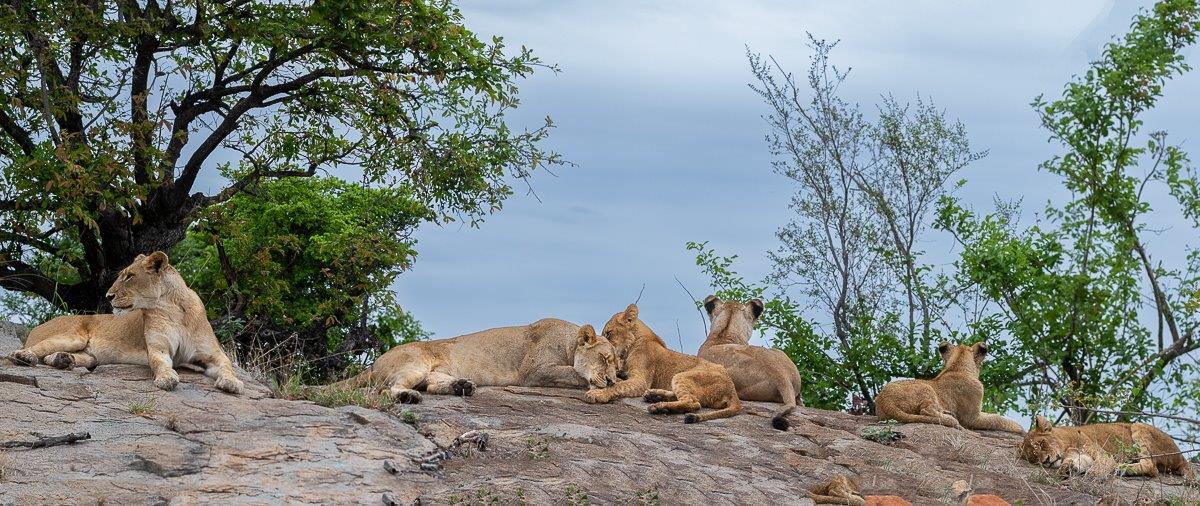
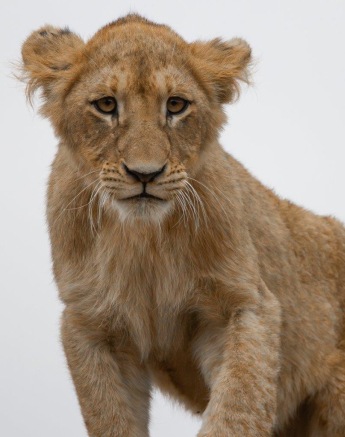
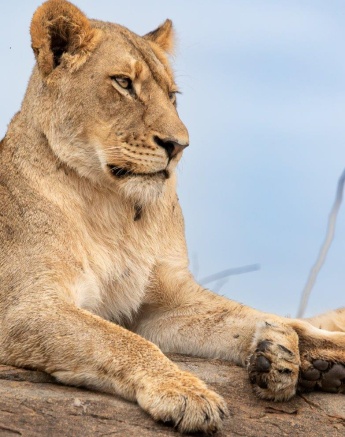
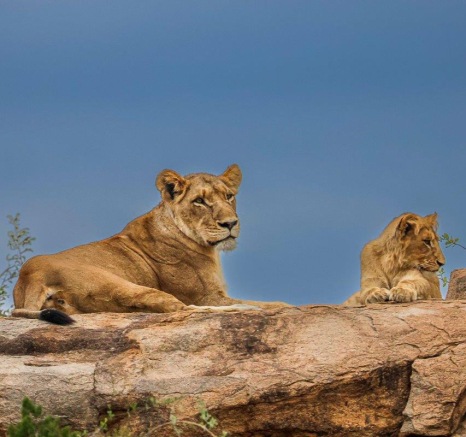
Soft contact calls from lions could be heard deep in the South of our reserve, so we made our way to the area and found tracks for the Southern Pride with the cubs. They had been moving quickly and while tracking, we were always one step behind until the pride took a rest on top of a large rocky outcrop, where we finally caught up with them. We found all three adult females accompanied by the three cubs.
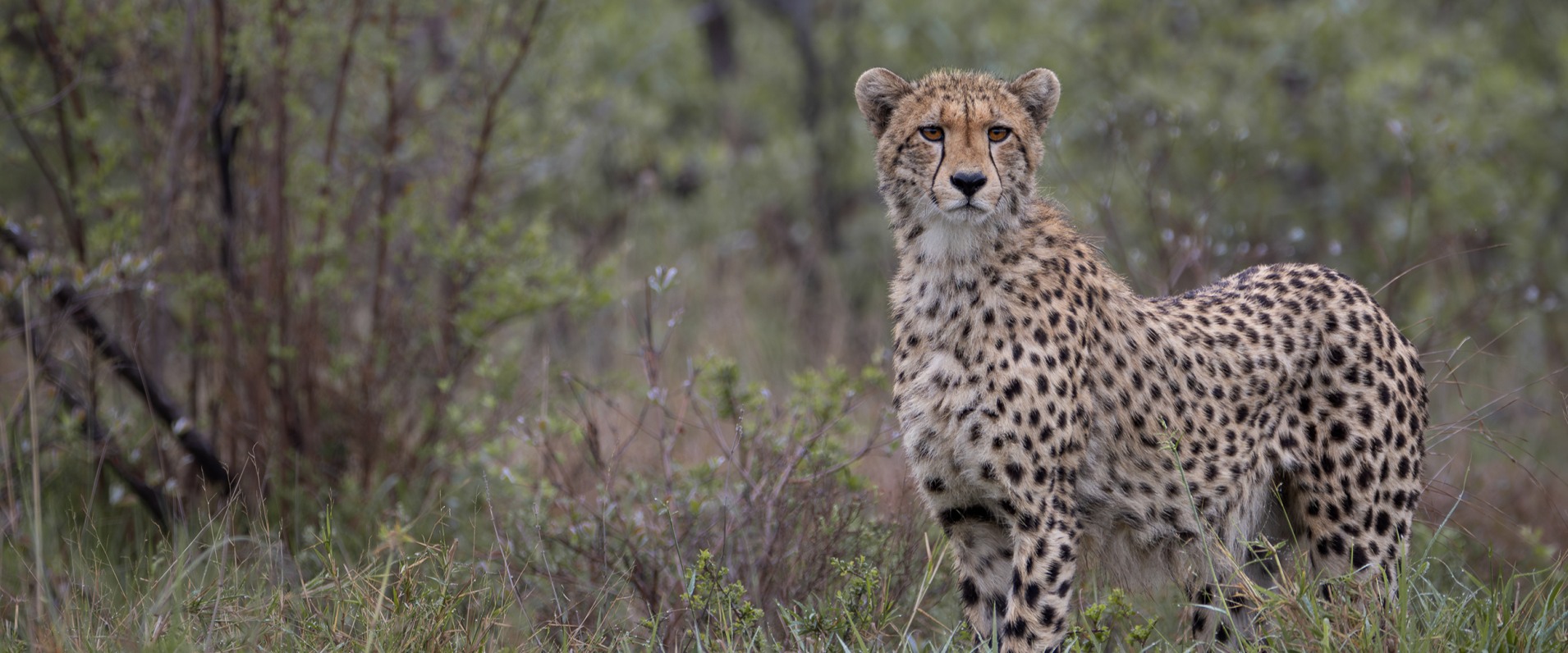
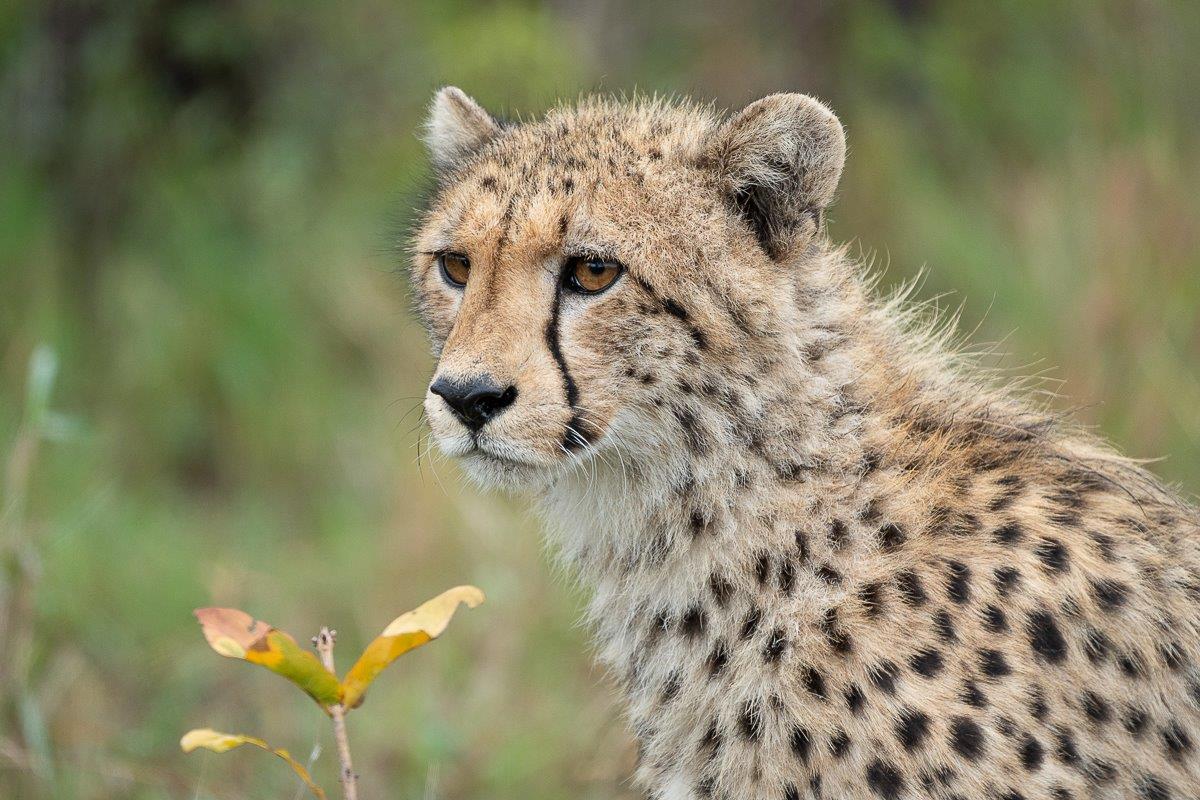
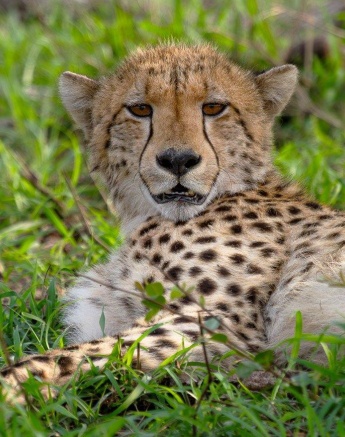
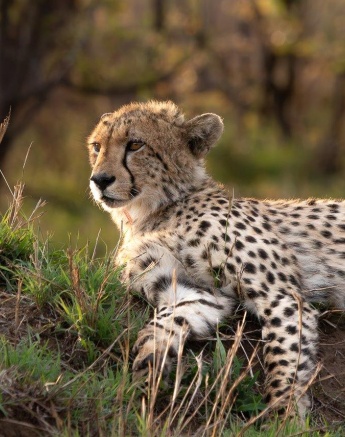
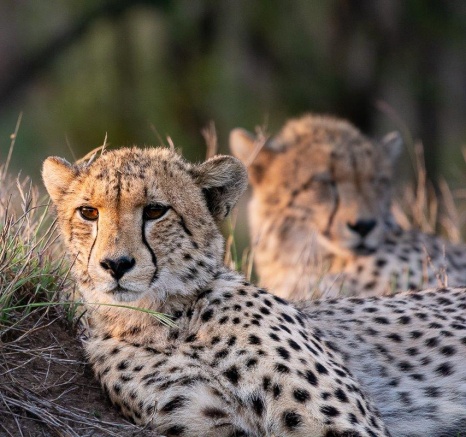
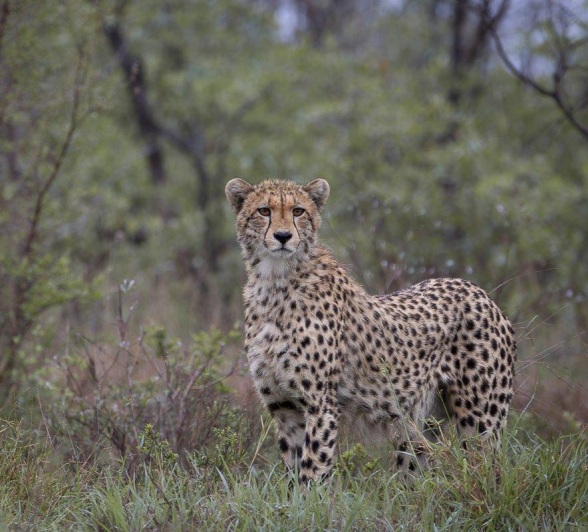
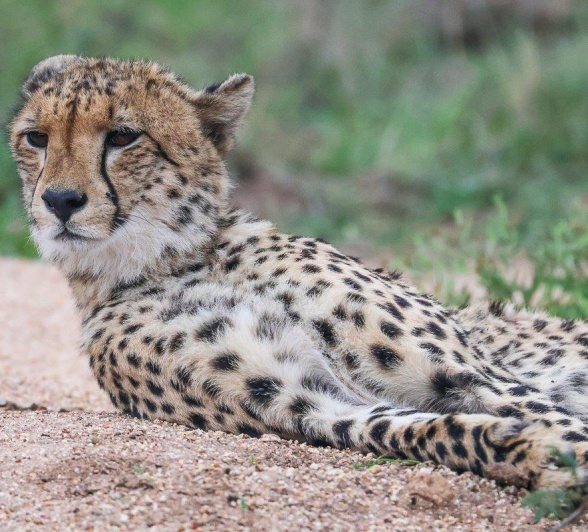
These two young male Cheetahs have provided us with countless memories over the past couple of days. Cheetahs tend to have very big home ranges and normally stay in an area for just a few days before moving on in search of new hunting grounds, so it is just a matter of time before they start moving on again. Being still quite young, they also must go and search for their own home range, and eventually territory. Being two males in their coalition this makes their chances stronger in defending their own territory one day.
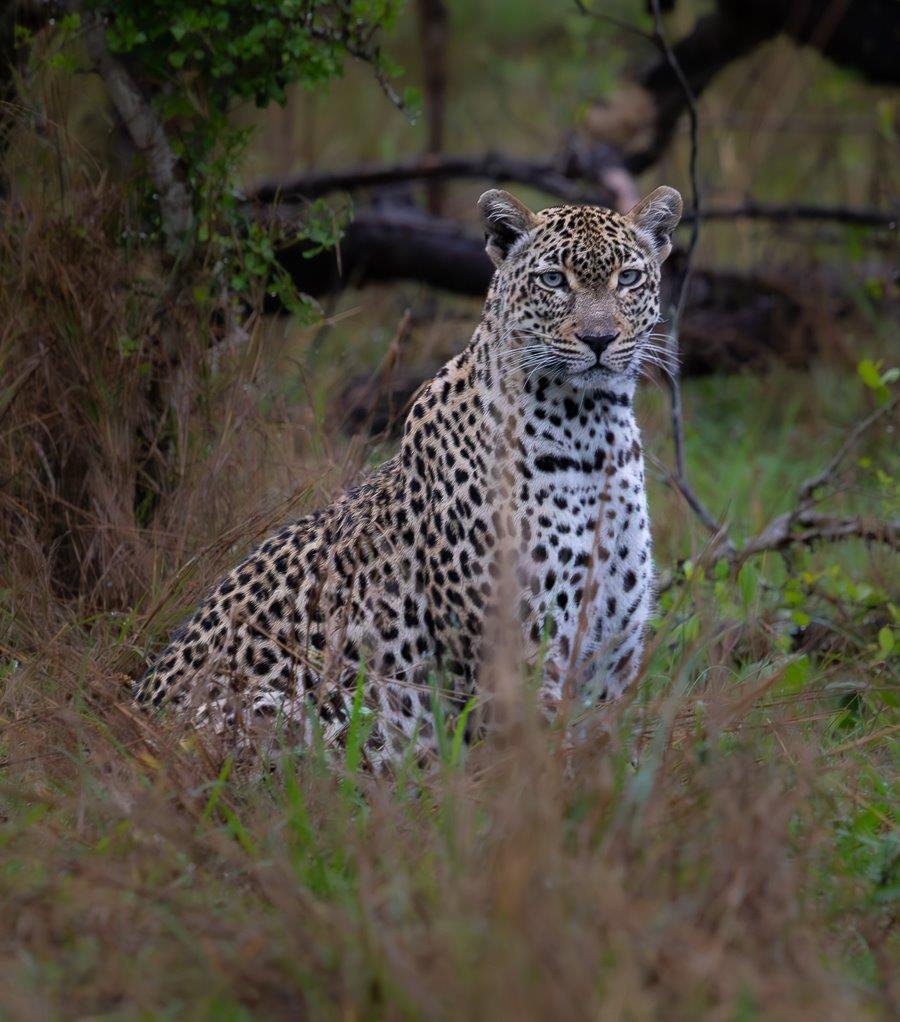
We have seen the Golonyi female frequently around the Southern parts of her territory, where a new male leopard has been spotted several times. We found both of their tracks moving in the same direction, but we were only successful in finding Golonyi following the scent of the male leopard. She secured some good meals for herself this week, even having N’weti arrive on the scene where they – very surprisingly – took turns in feeding off an impala she had killed.
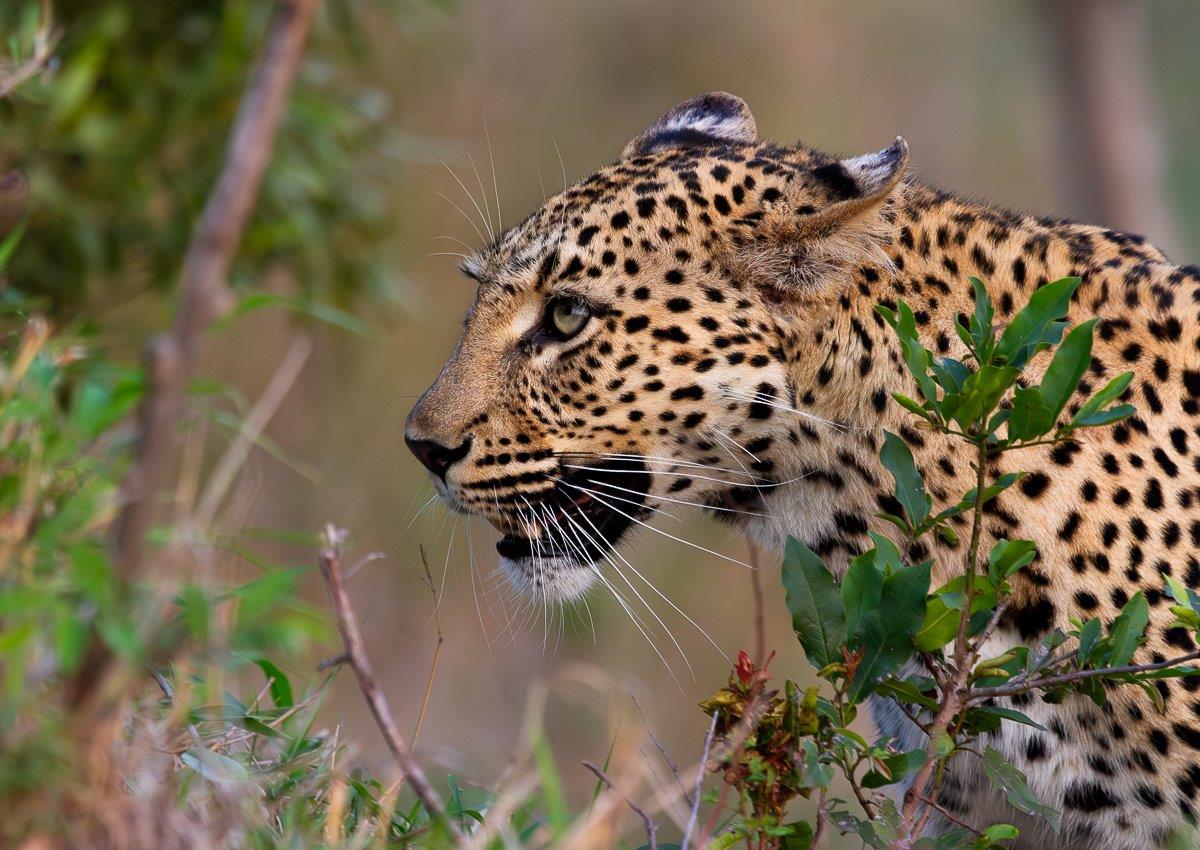
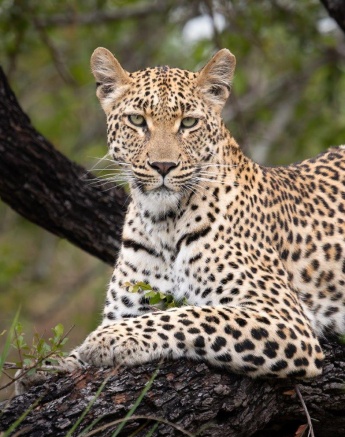
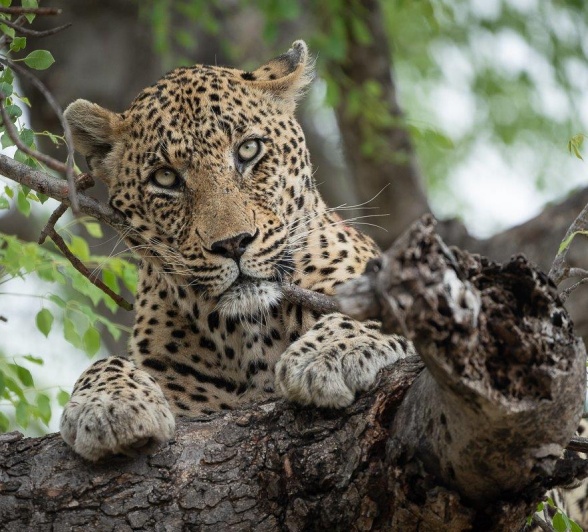
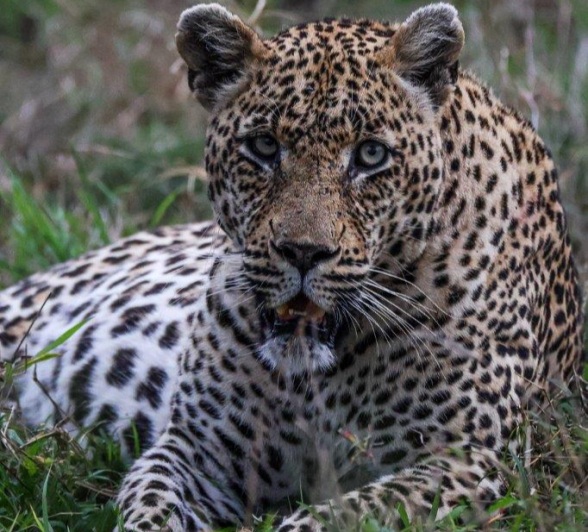
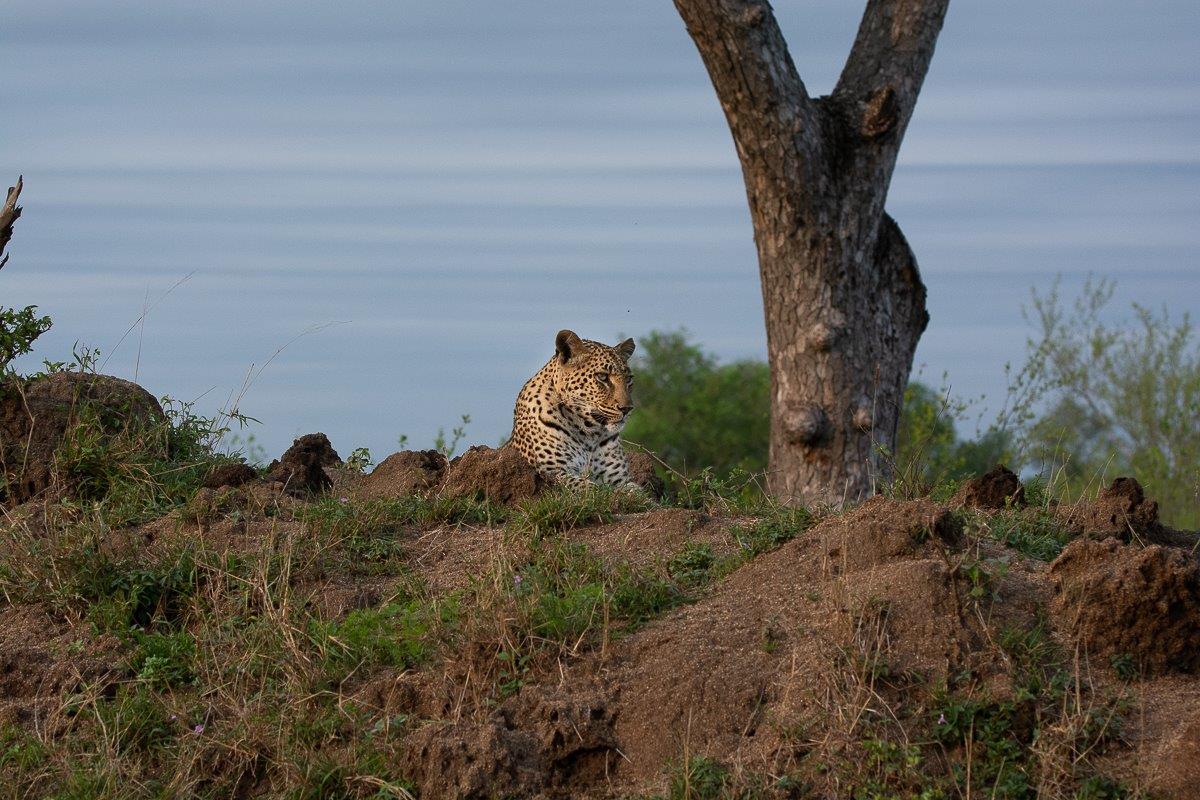
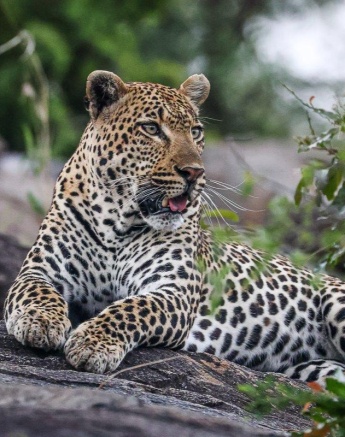
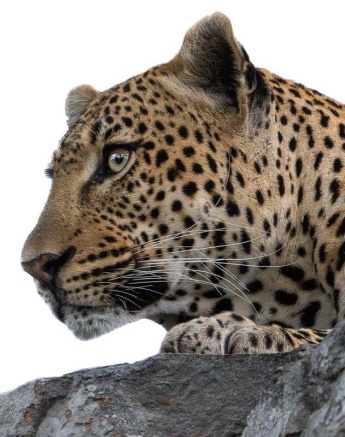
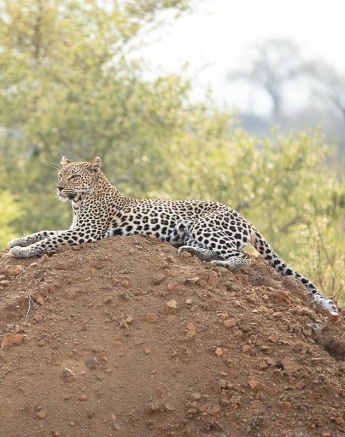
With vacant territory and food readily available, the Khulwana male leopard sits comfortably atop a rocky outcrop knowing his meal is safe for now. The tricky terrain gives this agile predator an advantage over the far less nimble hyenas who will be prowling these parts once the cover of darkness sets in.
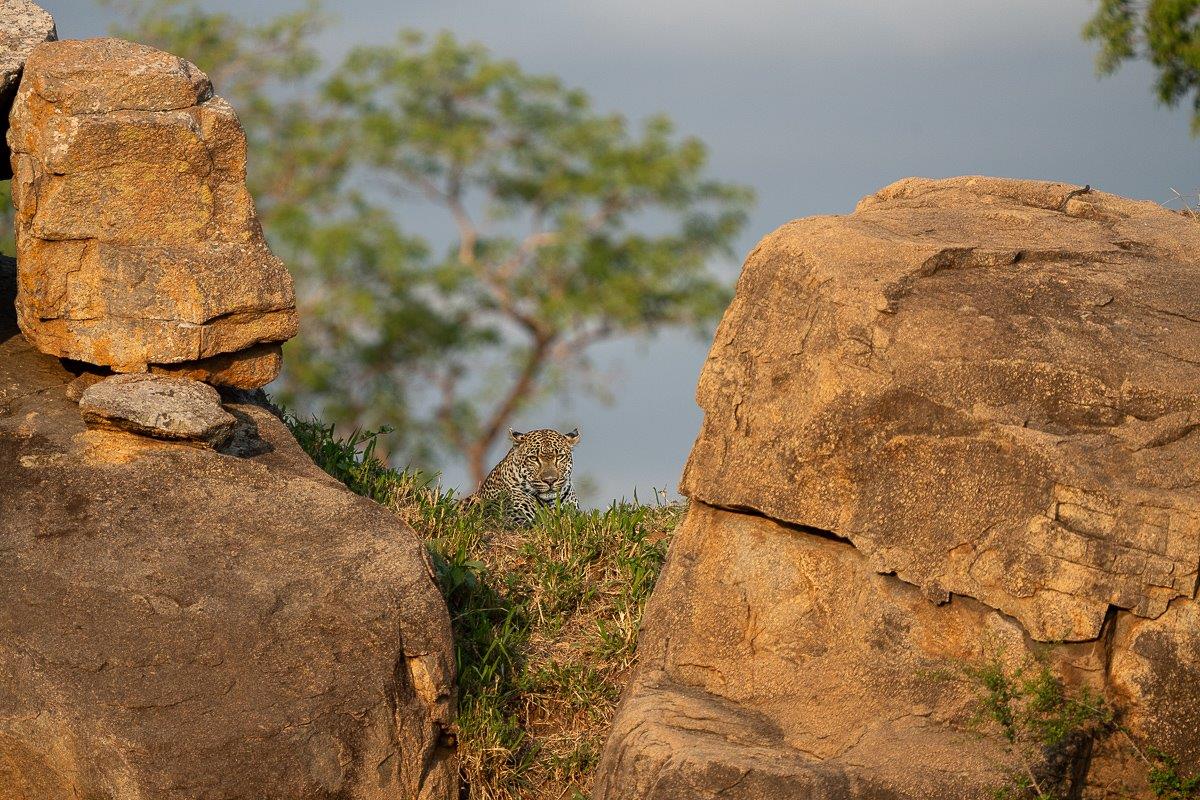
Watching a small herd of impalas late afternoon suddenly became a very exciting sighting. The impalas became alert, alarm calling while staring in one direction. We stayed in our position, scanning our surroundings to see what was happening. Moments later, we spotted the Khulwana male leopard making his way through the long grass before lying down on a rocky outcrop overlooking the area around him.
This male seems to be growing by the day and is becoming beautiful, getting bigger and stronger with every move he makes. He later moved on and disappeared into an extensive rocky section where we couldn't follow him anymore, still in search of a potential meal.
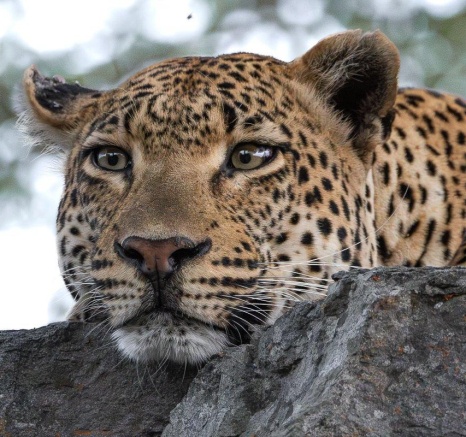
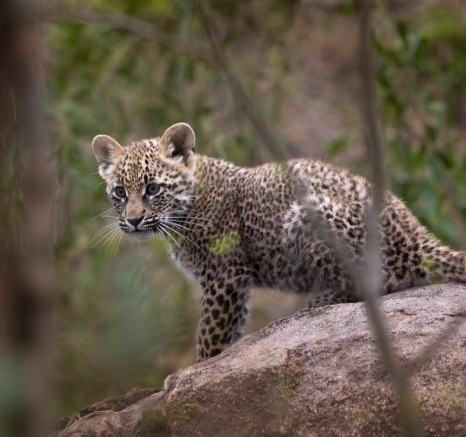
We found Ntsumi lying on a mound, watching over a herd of impala grazing nearby. She had left her two young cubs playing on granite boulders nearby to search for a meal.
Female leopards need to leave their cubs to hunt, which can leave them vulnerable to threats like lions, hyenas, snakes and even other leopards. Leopards have less than a twenty percent success rate of survival to independence, and Ntsumi has done well to raise these two to an age where they can climb quickly into branches and out of the way of danger. They still have a long way to go before independence, and we look forward to following them along their journey.
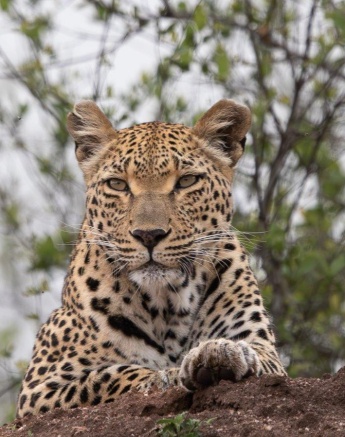
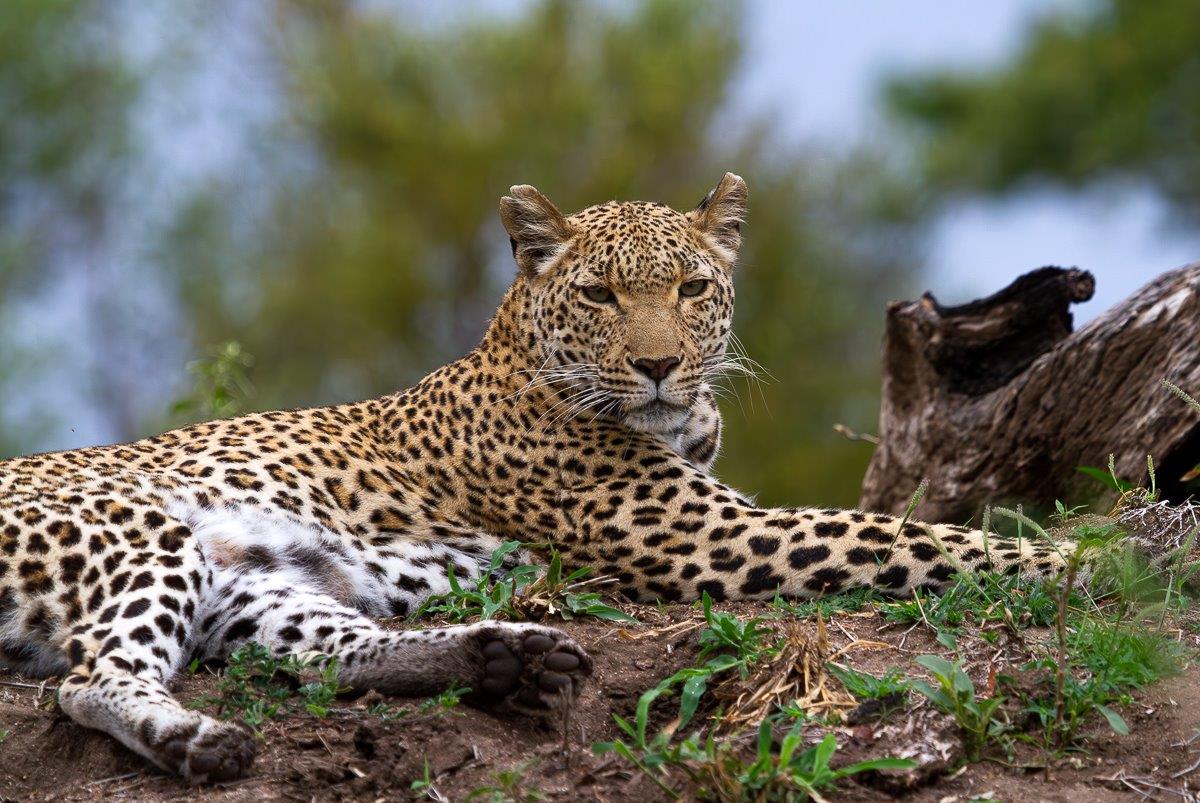
Being notorious for being difficult to track, we had a somewhat different start to our morning safari with Kigelia walking by the entrance of Little Bush Camp. She operates in a denser part of Sabi Sabi, which makes it difficult to find her, so we were extremely lucky this time. Her presence around camp makes us excited about the possibility of her having her cubs nearby.
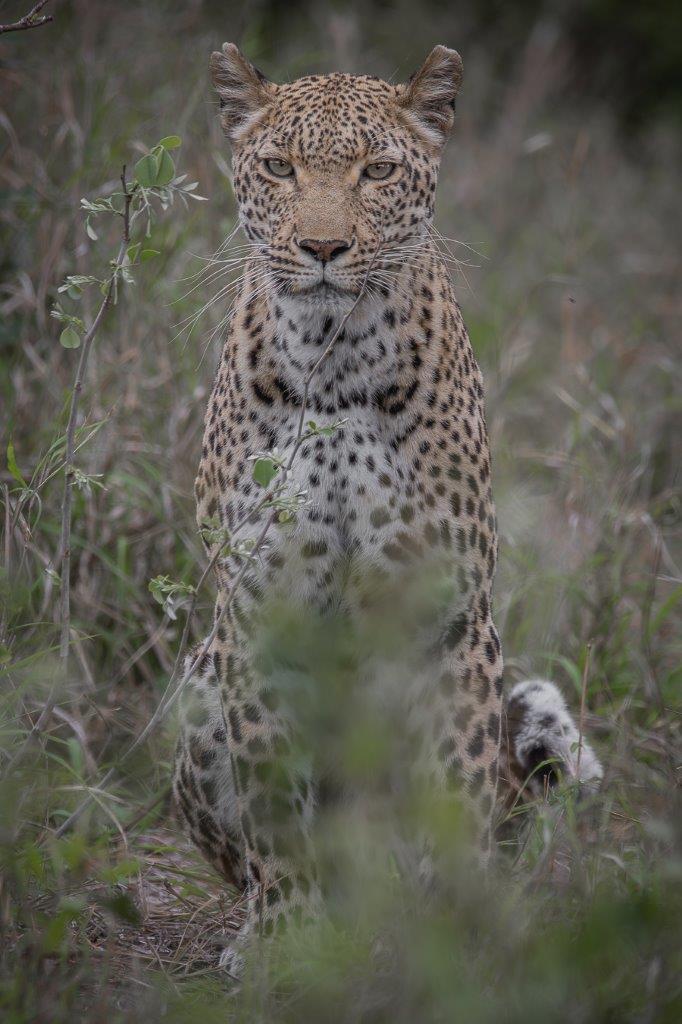
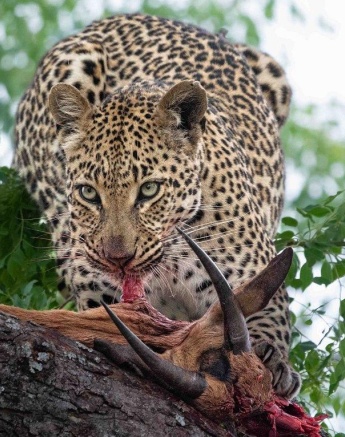
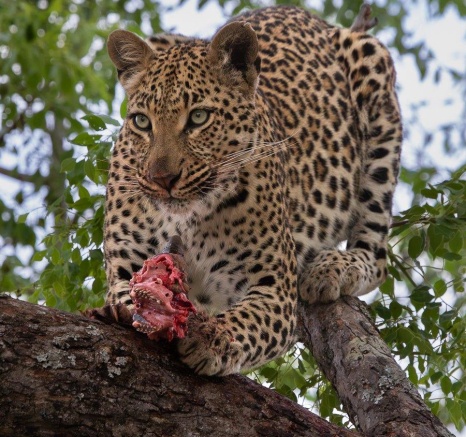
We found an impala carcass stashed high in the branches of a Jackalberry tree. With not much eaten from the carcass we knew there was a leopard close by. Scanning the area there was no further sign of a leopard until the Tengile female sat up from her sleeping in long grass not too far from the tree.
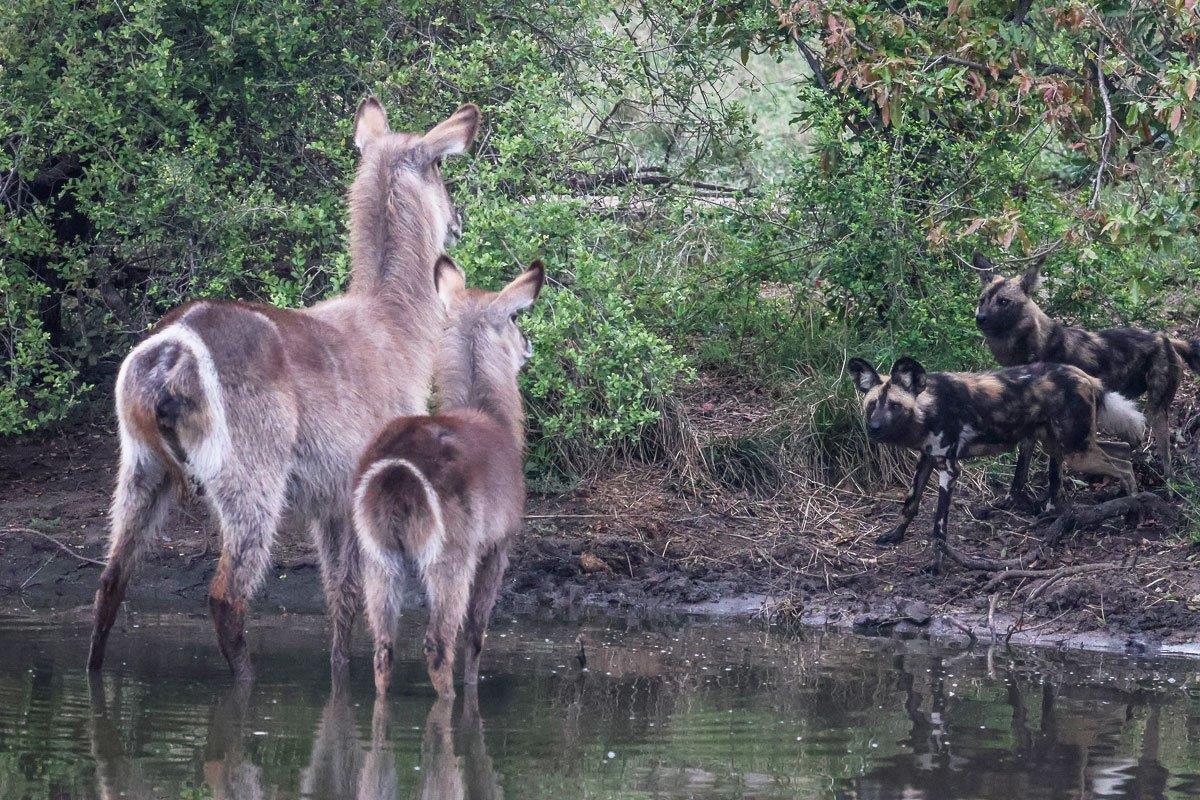
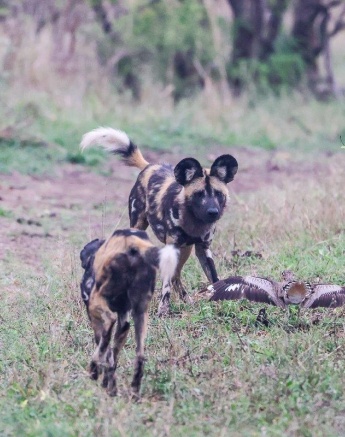
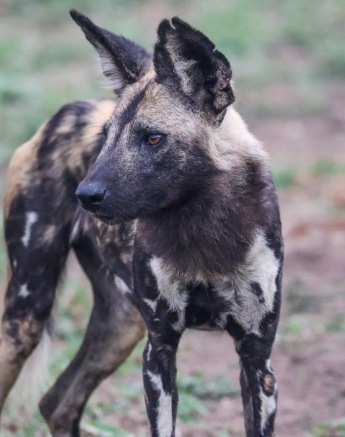
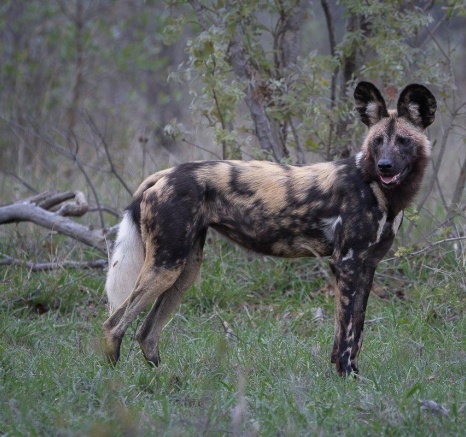
We drove around Earth Lodge and saw some waterbuck running across the open area. A pack of wild dogs was on the hunt. They chased a waterbuck calf into a dam before the mom showed up to save the day for her youngster. The pack then turned their attention to a Water thick-knee nesting on the ground, but not even this mom was ready to let her chicks go, opening her wings and trying to look bigger, intimidating the wild dogs. The dogs then moved off, looking for prey before lying down after an unsuccessful morning.
Animals will often run into waterholes when being chased by predators as they know these animals are not big fans of water, and it allows them to escape death.
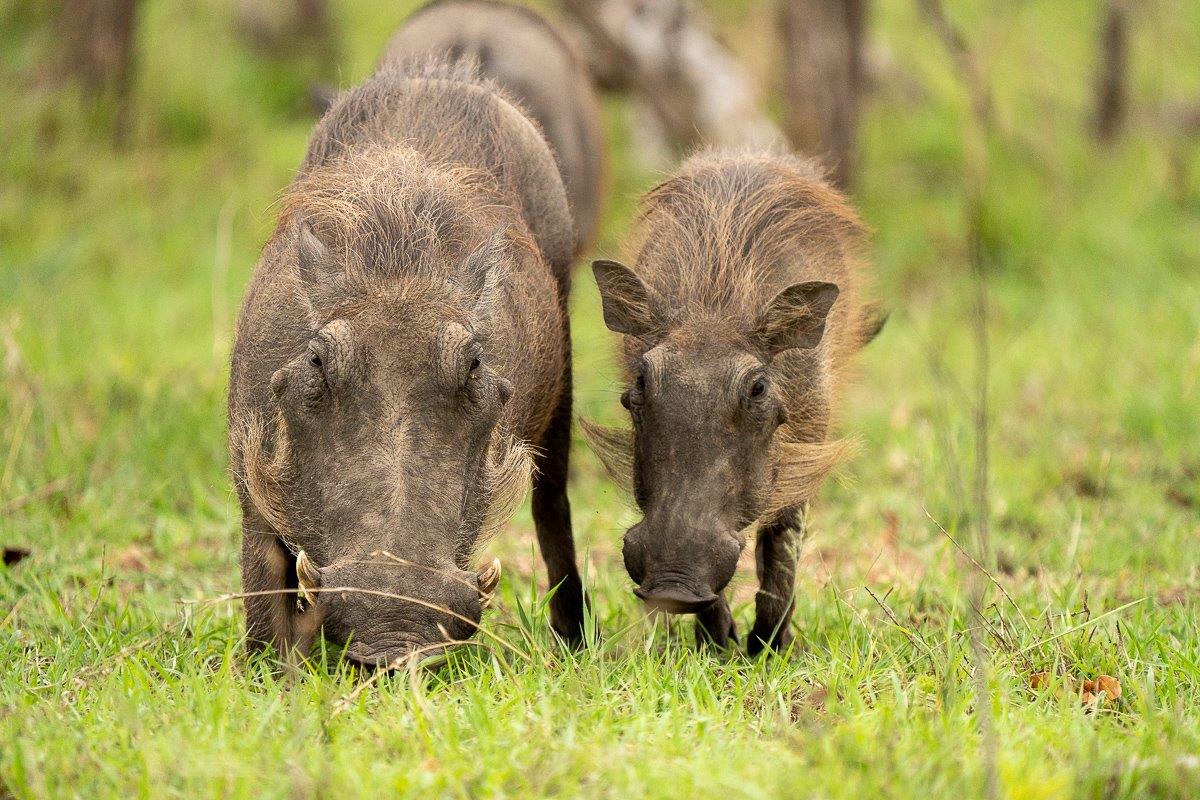
Coming across a sounder of warthog will always capture your attention as these lovable animals trot away and keep a safe distance from their observers. This occasion took us rather by surprise as not a head was lifted, nor an ear turned. They seemed to be completely satisfied with our presence and showed no intent on leaving their lush patch of grass.
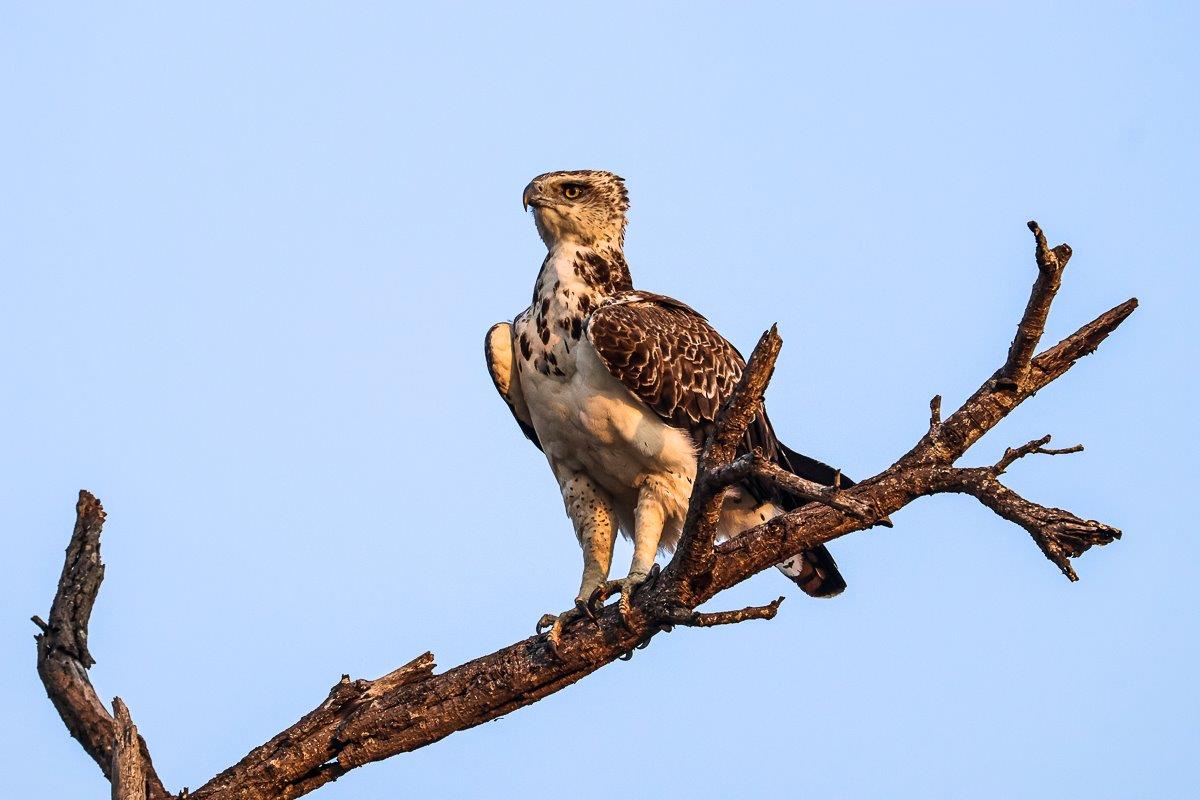
Perched high in the branches of a Knobthorn tree, this Martial Eagle was overlooking the area, carefully scanning the ground for any potential prey that might fall victim to him next. These large raptors usually hunt on the wing where they spot prey from high above, dropping down with their wings and tail spread open and often surprise their prey with any available cover. These birds have incredible eyesight and can spot prey up to 6 kilometers away!
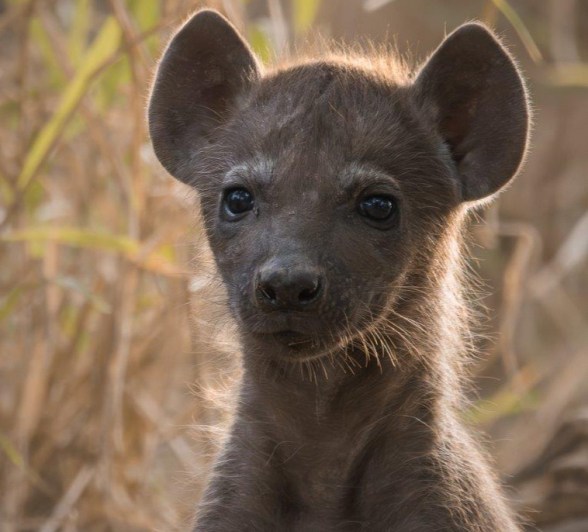
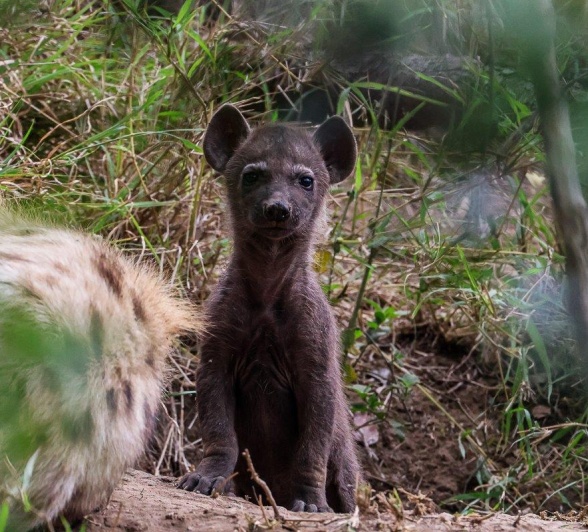
A large Spotted Hyena caught napping on the side of a termite mound was enough cause for investigation. These highly adaptable animals regularly utilise holes excavated into termite mounds as den sites for their cubs. Our patience was rewarded as two beady-eyed cubs emerged from the hole. Uneasy at first, they curiously kept a close eye on us before snuggling up to mom and filling their tummies with wholesome milk.
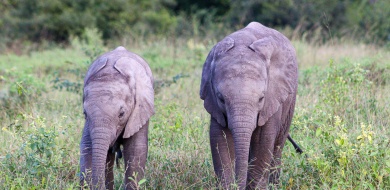
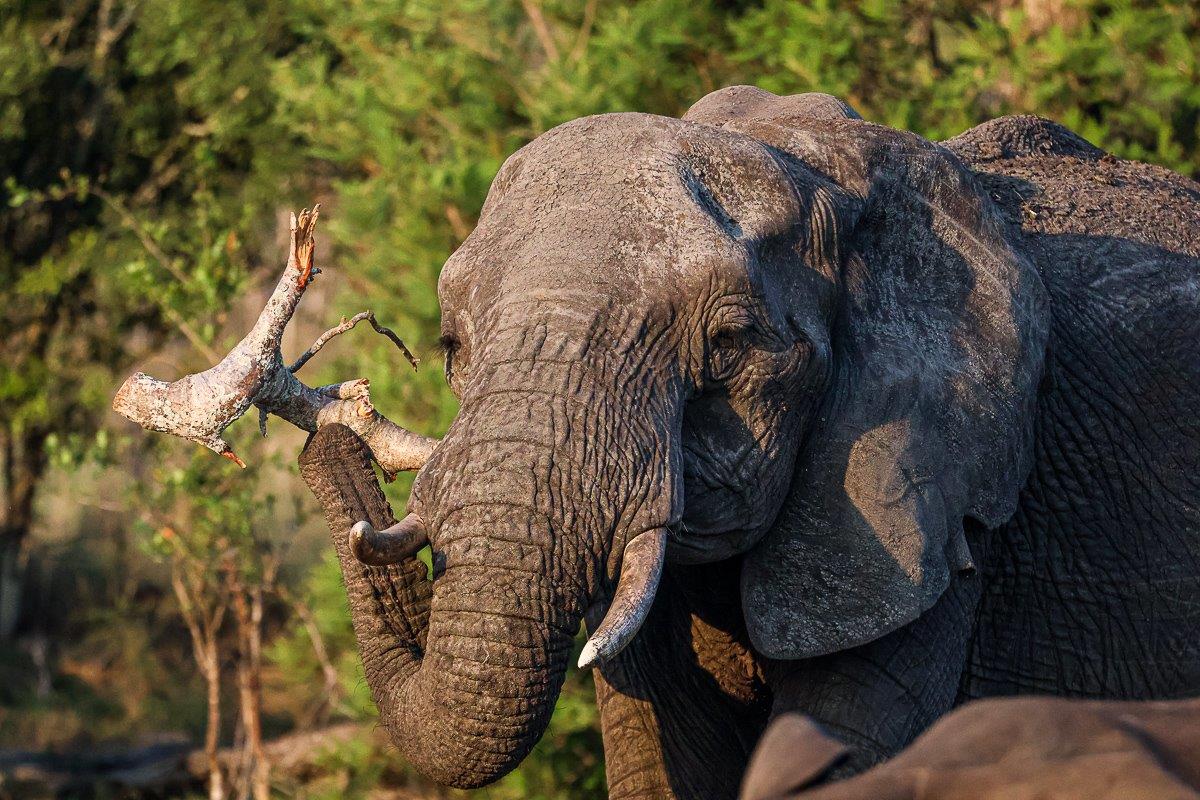
Watching this Elephant cow and her calf was an absolute heartwarming sighting. They were feeding off a Marula tree that was previously pushed over. The female was hard at work with her calf trying to follow her example, but with no success, the calf later moved to mom to try and grab pieces of bark out of her mouth. Elephant females, being very good mothers, she gave her calf what he was looking for. Elephants push over trees either to get to the root system as there are lots of nutrients stored, or in this case, to get to the fresh leaves and branches that are nutritious food for them.
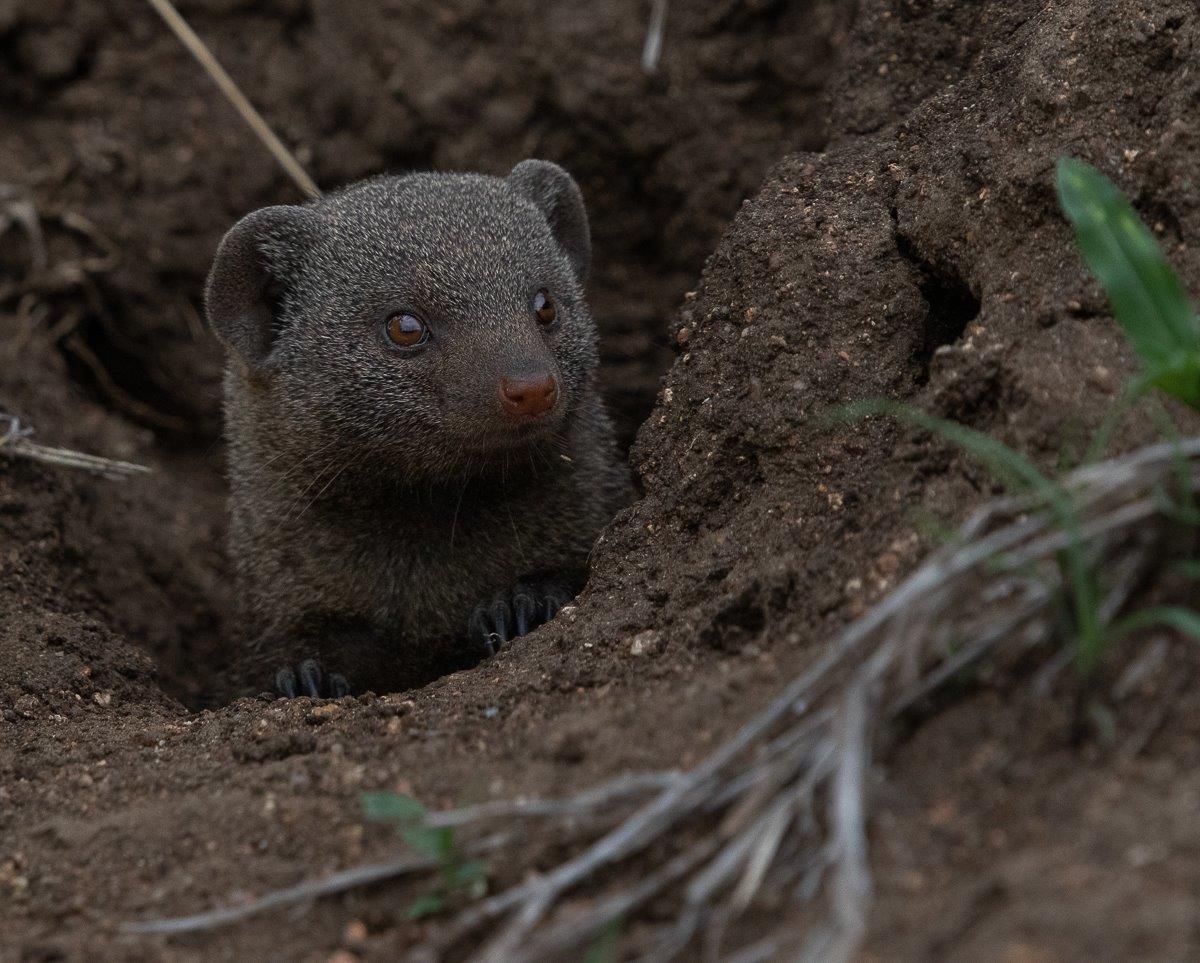
A family of Dwarf Mongoose were late risers on a cool overcast morning. A few brave individuals were the first to slowly peep out from a termite mound to ensure there were no potential predators around. They eventually gave the all clear and the family emerged and started the day grooming close to the entrance in case danger appeared.
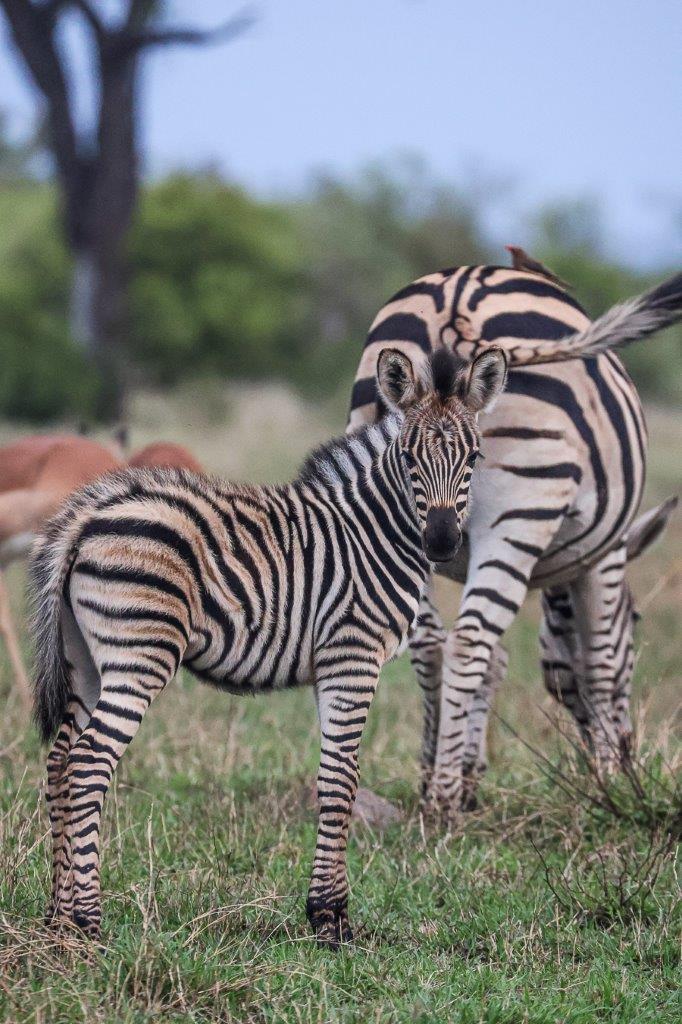
One of the first baby zebras has been born this season. Mother and foal were alone in a large open area, and both were quite skittish as the foal is extremely young. With them still being by themselves there is always the risk of the foal being killed, hence the mother will make her way back to the herd to introduce the newest member to the rest. Zebras move away from their herds when they give birth to move into a thick area where they feel safe; after birth the mother will help the youngster to get up and get comfortable on their own legs and within 15-20 minutes the foal will stand and slowly start moving around.
Until next time…
Blog by Wendy Claase
Images by Daniel Greyvenstein, Dieter Lategan, Jason Street, JP van Rooyen, Macs Toich, Ronald Mutero and Ruan Mey