
A Week in the Bush Vol. 462
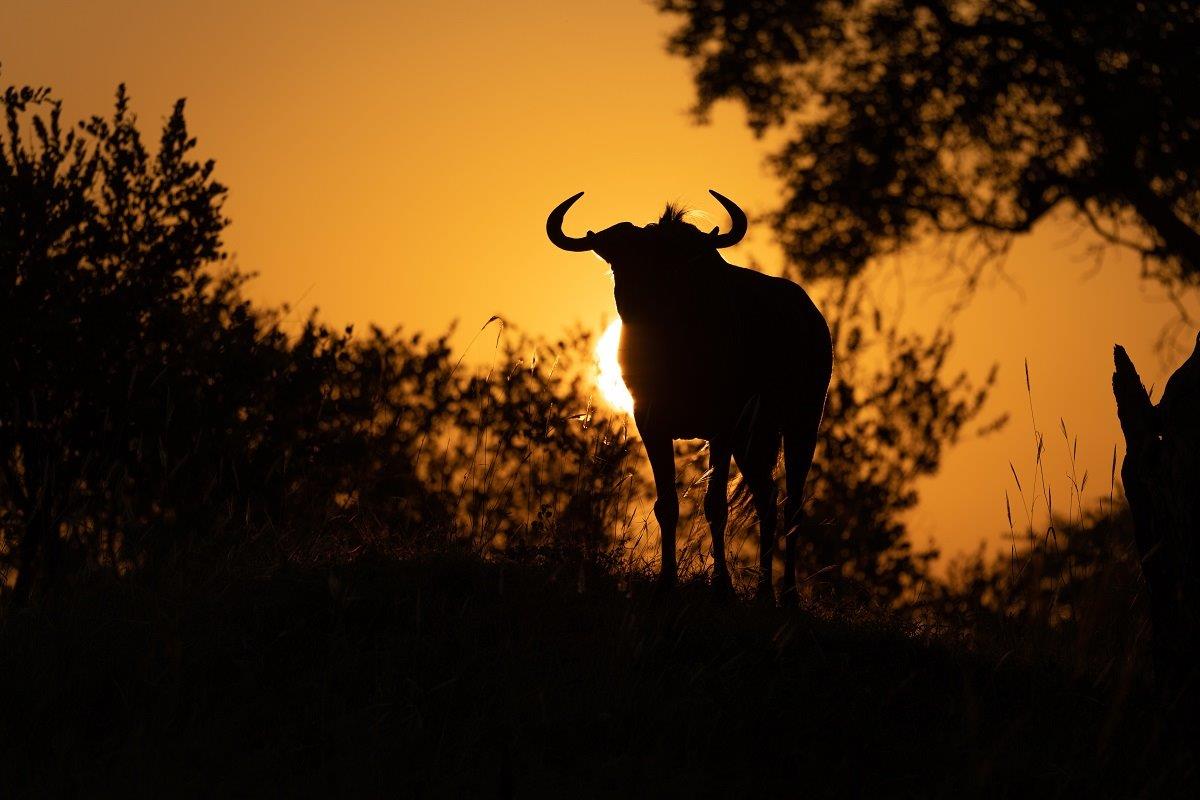
on Jun 14, 2023A new day arrives, along with many opportunities at Sabi Sabi. We were treated to this beautiful scenery of a Blue Wildebeest standing on top of a termite mound, with the sun slowly peaking over the horizon at the back.
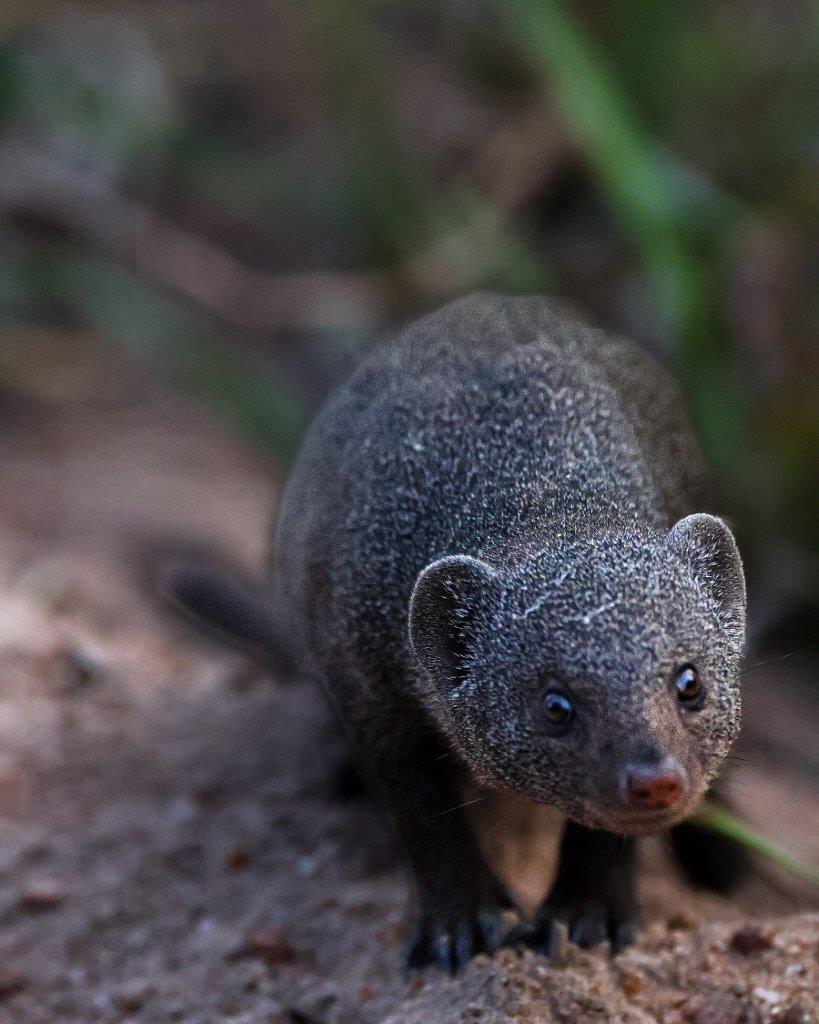
Seeing a quick flash of dark brown crossing the road, we stopped and waited. After some time, we saw the movement of a small business of mongoose making their way through the grass with the little ones running around and playing happily. We watched as one of the adult mongooses made its way towards the vehicle, and being very curious, it would walk by and stop to see what exactly the big vehicle was.
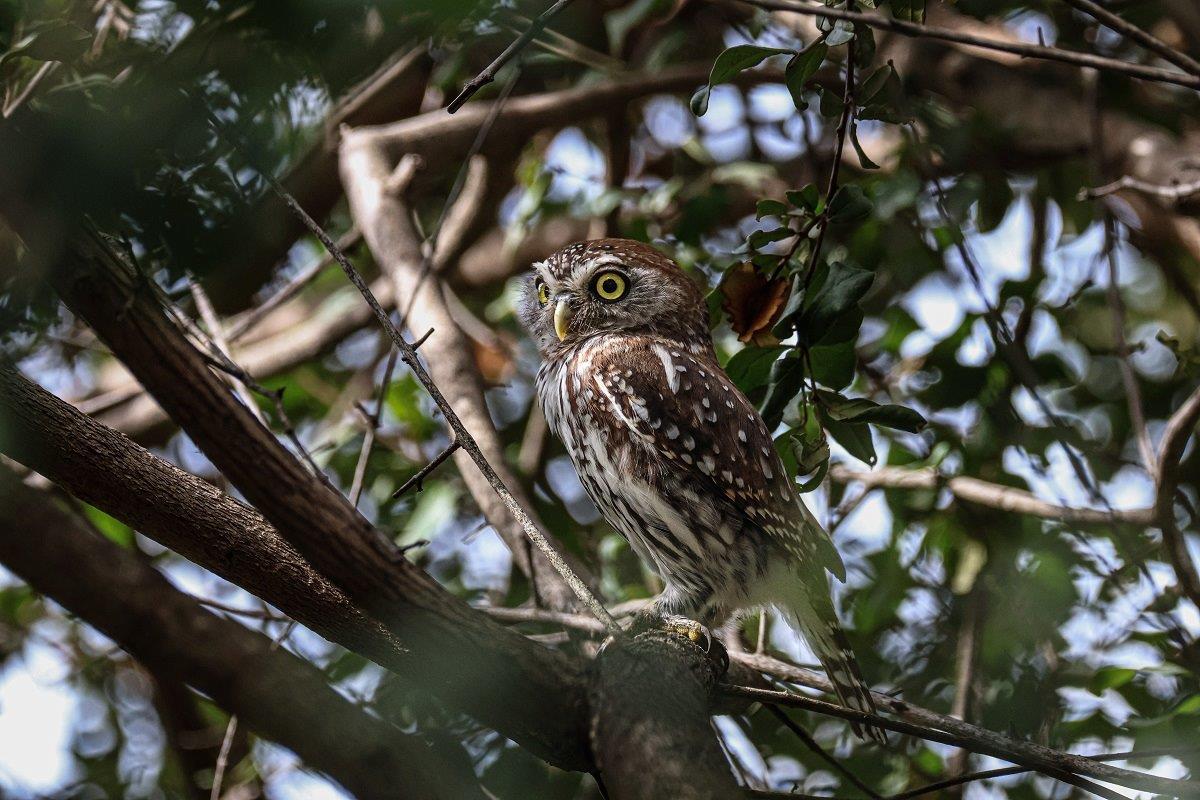
When it comes to owls, Sabi Sabi has a lot to offer, but a personal favourite of Ranger Coenraad is the tiny Pearl-spotted owlet. It is a highly territorial bird and is very quick to try and chase any competitors out of its area. Other birds will jump at the opportunity to mob and point out where the little owl sits because even though it is a tiny owl, it will take down birds almost as big as itself for a meal.
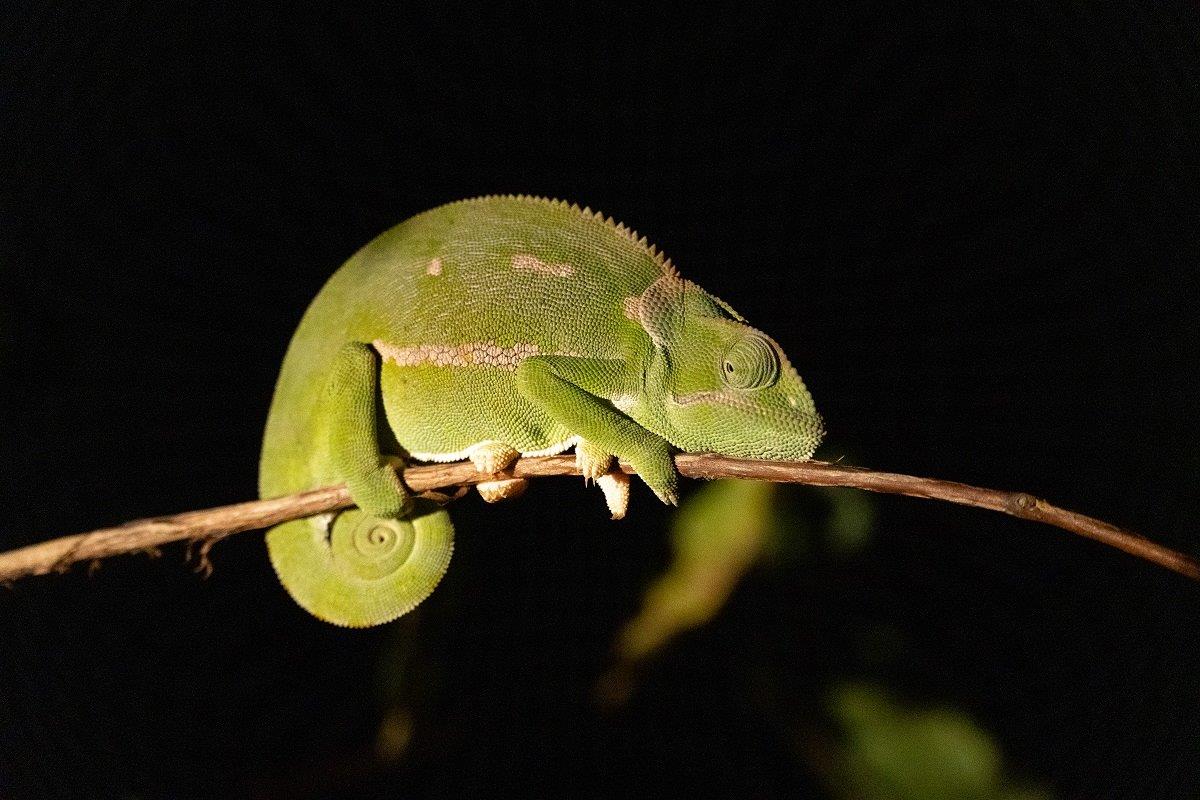
A flash of bright green in the spotlight got our attention as we made our way back to the lodge. The master of disguise revealed itself against the dark backdrop of the night sky. At night time, Chameleons will relax the pigment cells that absorb any light, displaying a much brighter green than in the day.
As winter sets in, the scenery has changed. The abundance of vegetation that was around in the wet summer months is fading away, making life a little more challenging for these zebras, and many other animals.
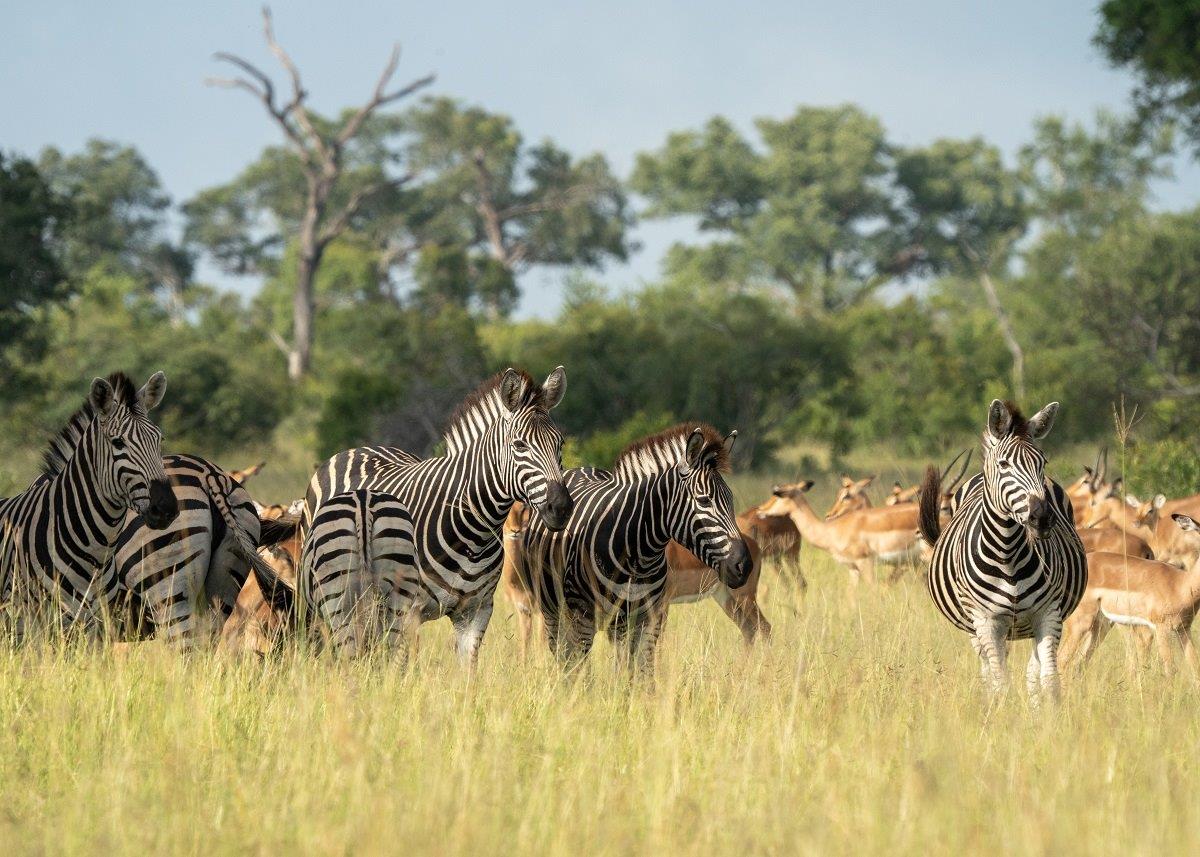
Viewing the abundance of animals Sabi Sabi has to offer is nothing short of spectacular… and seeing the young of these animals is even more delightful.
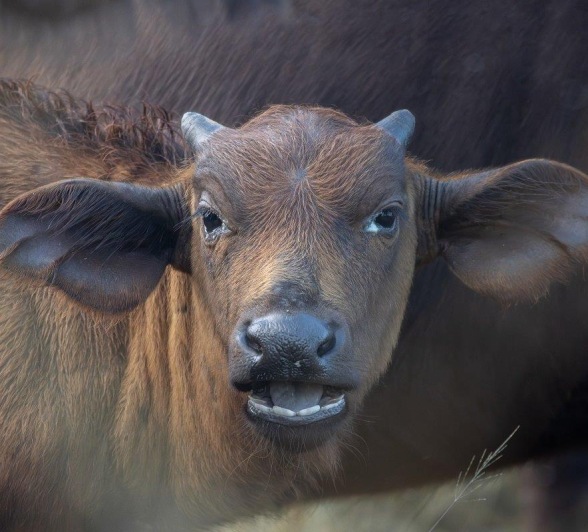
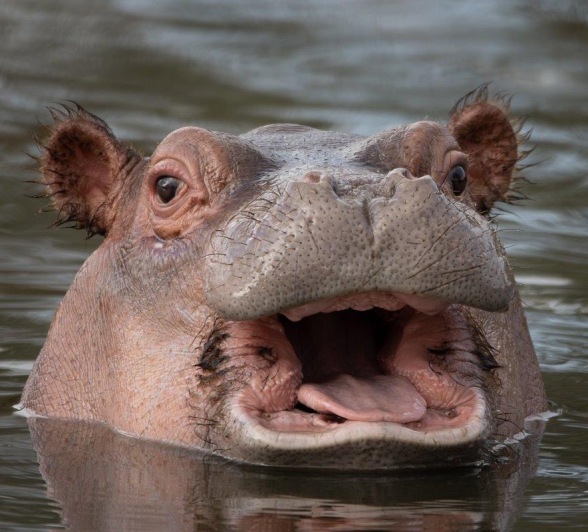
One morning, we were amazed by the amount of buffalo calves around. To add to the excitement, we spent time with a pod of hippos who also hosted a calf. The curiosity and playfulness of young animals always provide for exciting and eventful sightings, something one cannot help but smile at.
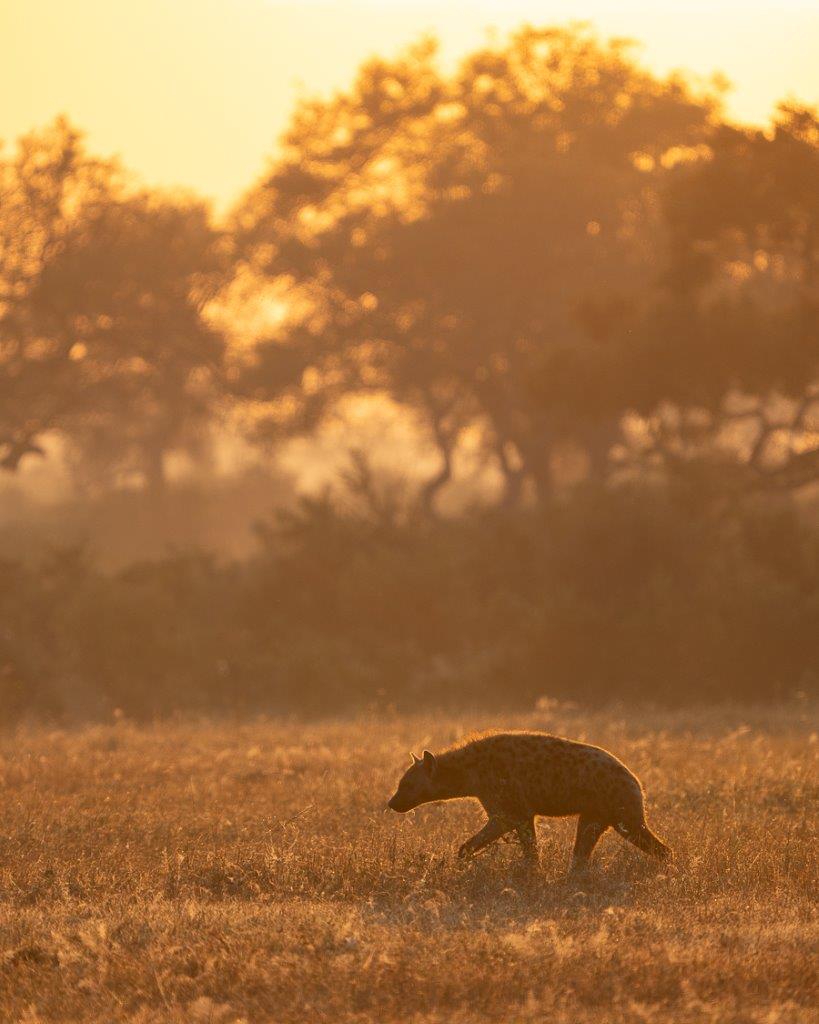
After a long evening searching for food and nothing to show for it, this hyena moves quickly with its head held low to the ground, hoping to come across a scent which will serve to guide it in the right direction. These animals have got some of the keenest senses in the animal kingdom and can quite easily determine the direction a scent is coming from.
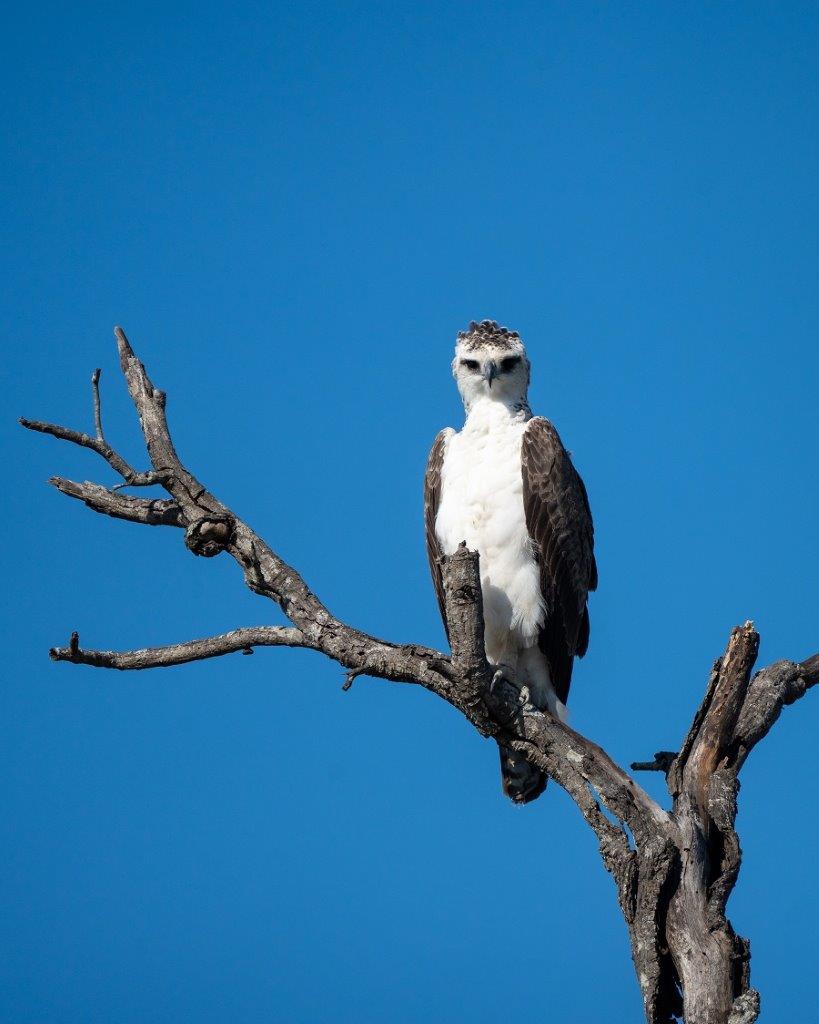
An immature Martial Eagle is perched high above the surrounding plains and scans the land for prey. A large portion of this bird’s diet consists of game birds such as Helmeted Guineafowl, but mammals up to the size of a small antelope are not entirely out of its reach.
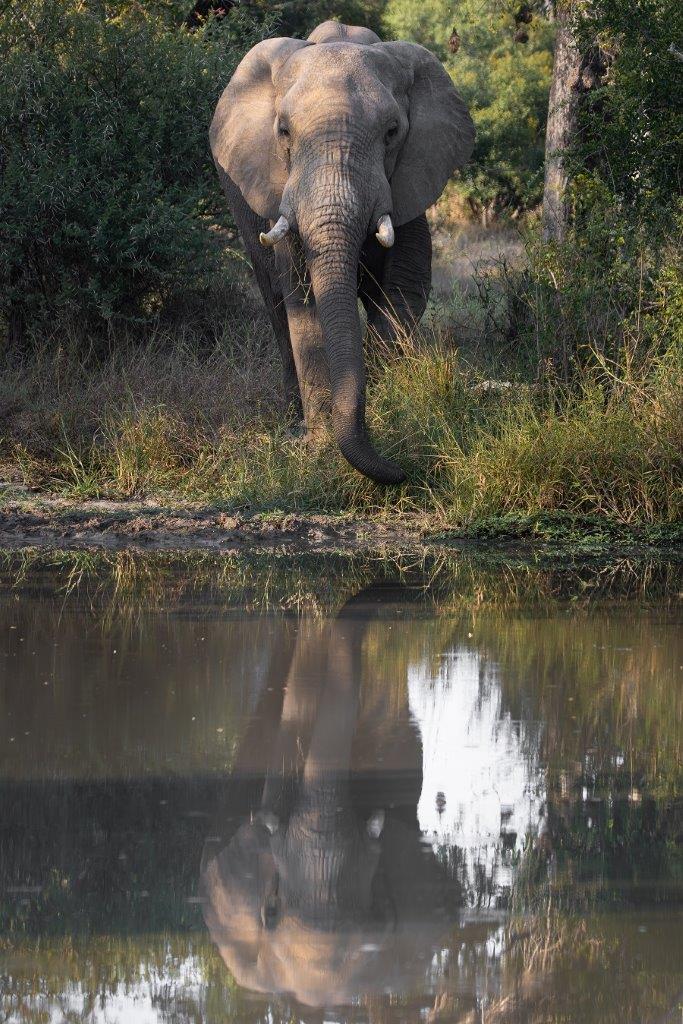
On the way to our morning coffee stop we passed one of the watering holes on the reserve and we were graced with the presence of an elephant bull making his way to the water. With Tracker Dollen's great understanding of animal behaviour, we got into a position opposite the elephant and enjoyed a head-on view of this majestic being quenching his thirst.
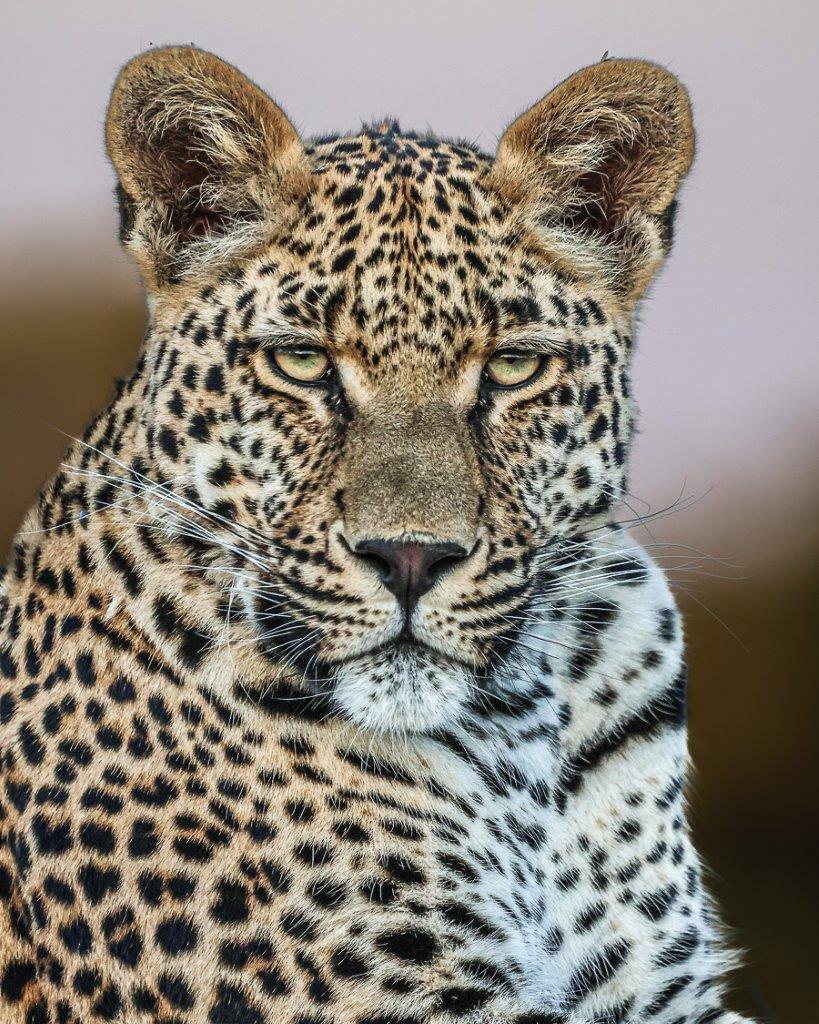
Tracking is a whole experience, looking for any signs that an animal could be around is like reading a newspaper but only looking for the good articles that catch your eye. We found some tracks for a male leopard early in the drive and decided to follow and see what we could find.
We made good ground with the tracks looking fresher around every turn until we saw the tip of the tail disappear into a bush as we made our way around a turn. With excitement in our hearts, we rushed forward to find the young Nottins male lying under a bush next to the road. He later moved to a termite mound as the sun was setting and what a sight it was!!
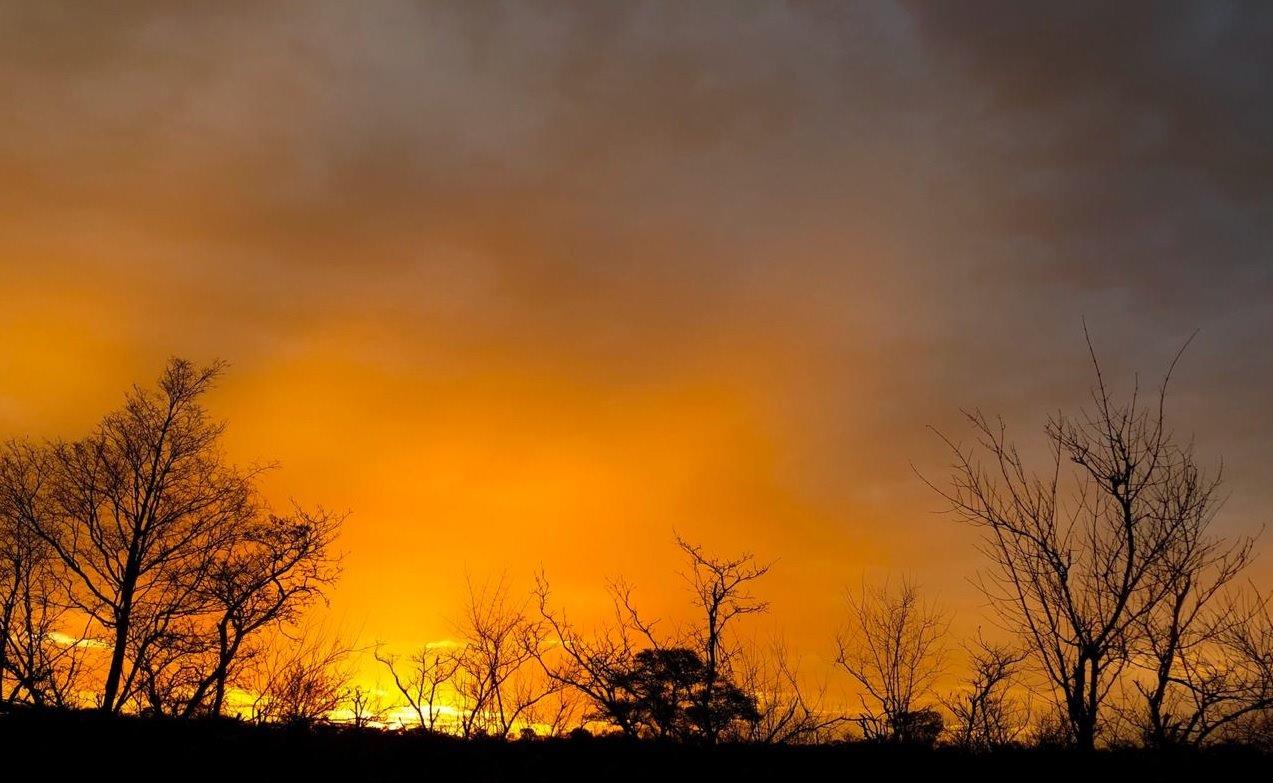
As the sun begins to set over the bushveld many animals will be preparing themselves for the evening ahead. For some that means finding a safe place to hide, for others it is time to get moving in search of food.
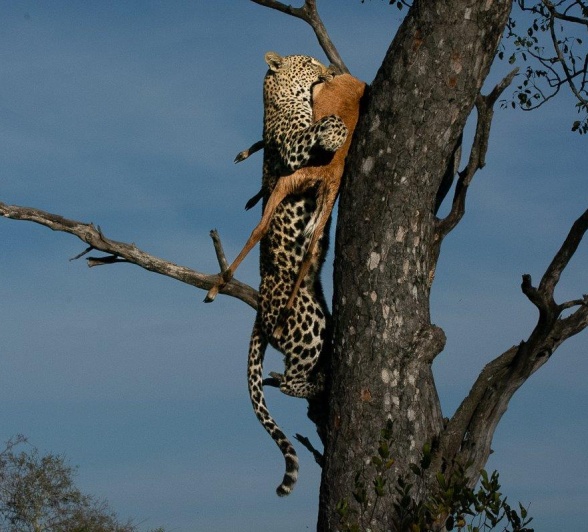
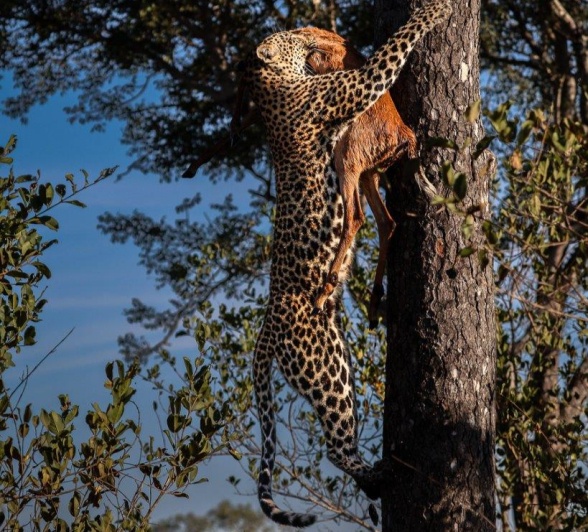
This female leopard safely hoisted a young impala carcass high above the ground in a nearby tree ensuring it won’t be stolen by any opportunistic predators, such as the lone hyena that caught her attention.
We found the Golonyi female as she was crossing the road where she had just marked her territory. Following her through the bushes, she finally jumped onto a dead Marula tree, allowing us some spectacular photographic opportunities.
Leopards will use tall grass and thickets to conceal themselves from any prey species but will occasionally use trees and termite mounds as vantage points to scan the area for any hunting opportunities.
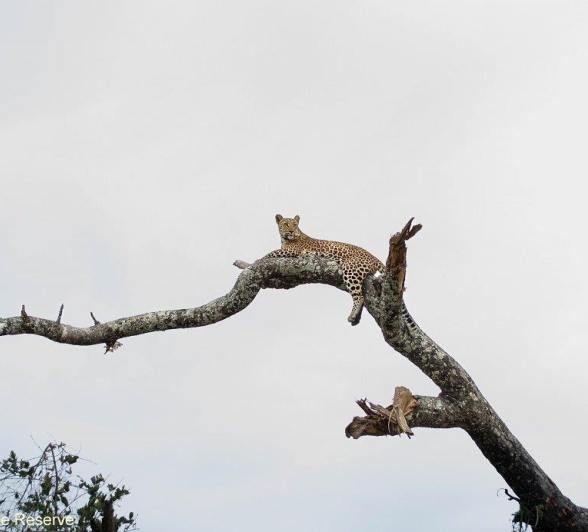
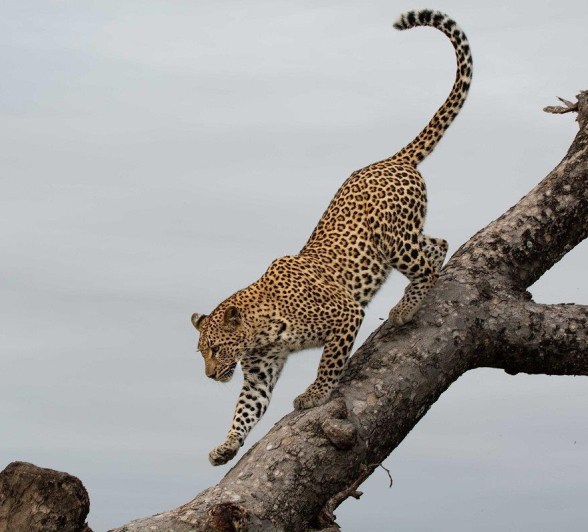
On our way back to the lodge after our morning safari, we did not expect to have one last amazing sighting. Ntsumi was seen close by, and we decided to take a chance before heading back for breakfast.
On arrival she was stalking a few Francolins on the road ahead, but she soon gave up and carried on. She used a dead Marula tree as a vantage point to scan for any prey that might be in the area. With nothing on the horizon, she came down and changed direction. Her next stop was on a big termite mound where she stopped to groom herself and scent mark the area. We let her be as she moved on again, disappearing into the thick tall grass.
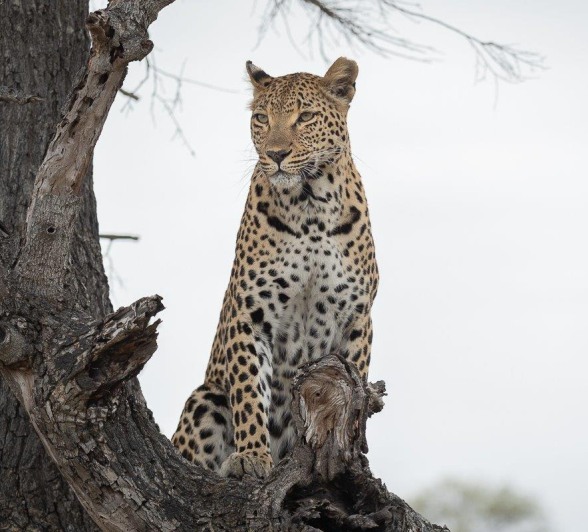
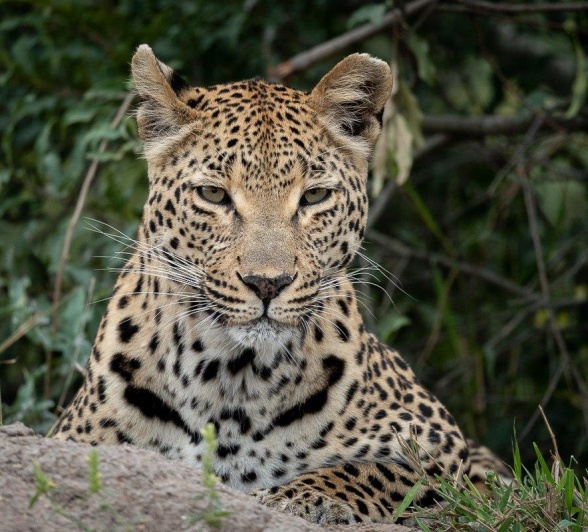
A quiet moment in the bushveld was shattered by the terrified squeals of a warthog. We all snapped to attention and immediately went to investigate. Along the road, a survivor, a young warthog trotted towards the rest of its family, its entire chest and neck soaked in blood. They hastily hurried off once they reunited, into the thickets.
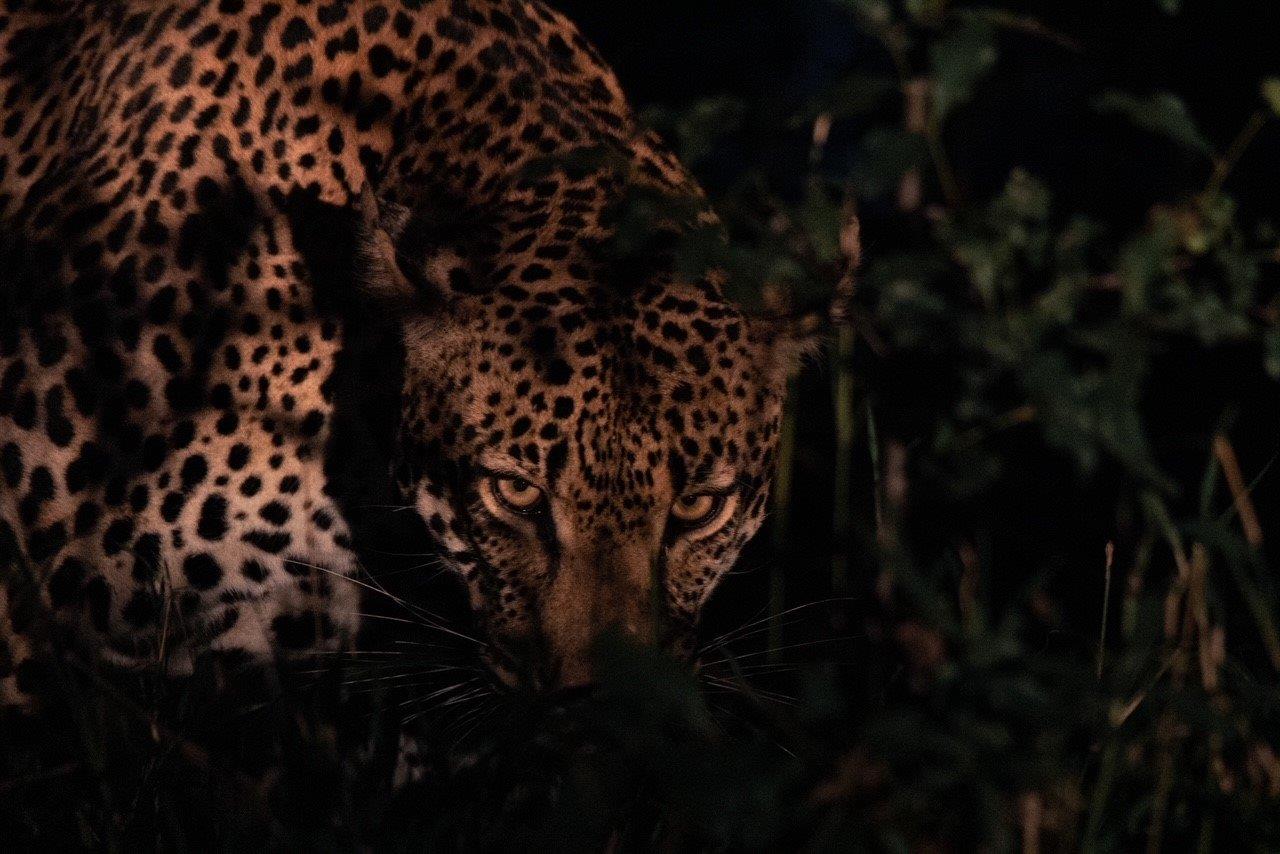
We carried on, slowly, we knew what to look for now, leopard. It wasn't long before we found him, stealthily moving through the brush, nose to the ground trying to follow the scent of his escaped meal. As we watched on in awe of this special sighting, his demeanour did not suit that of the leopards we had come to know in the area. Upon returning from drive, we discovered that he was indeed new to us at Sabi Sabi. It was a special introduction to the very handsome Khulwana male.
On a lovely Autumn morning we made our way through the reserve in search of lions. Tracks were found in the southern sector so we made our way to the area to see what we could find.
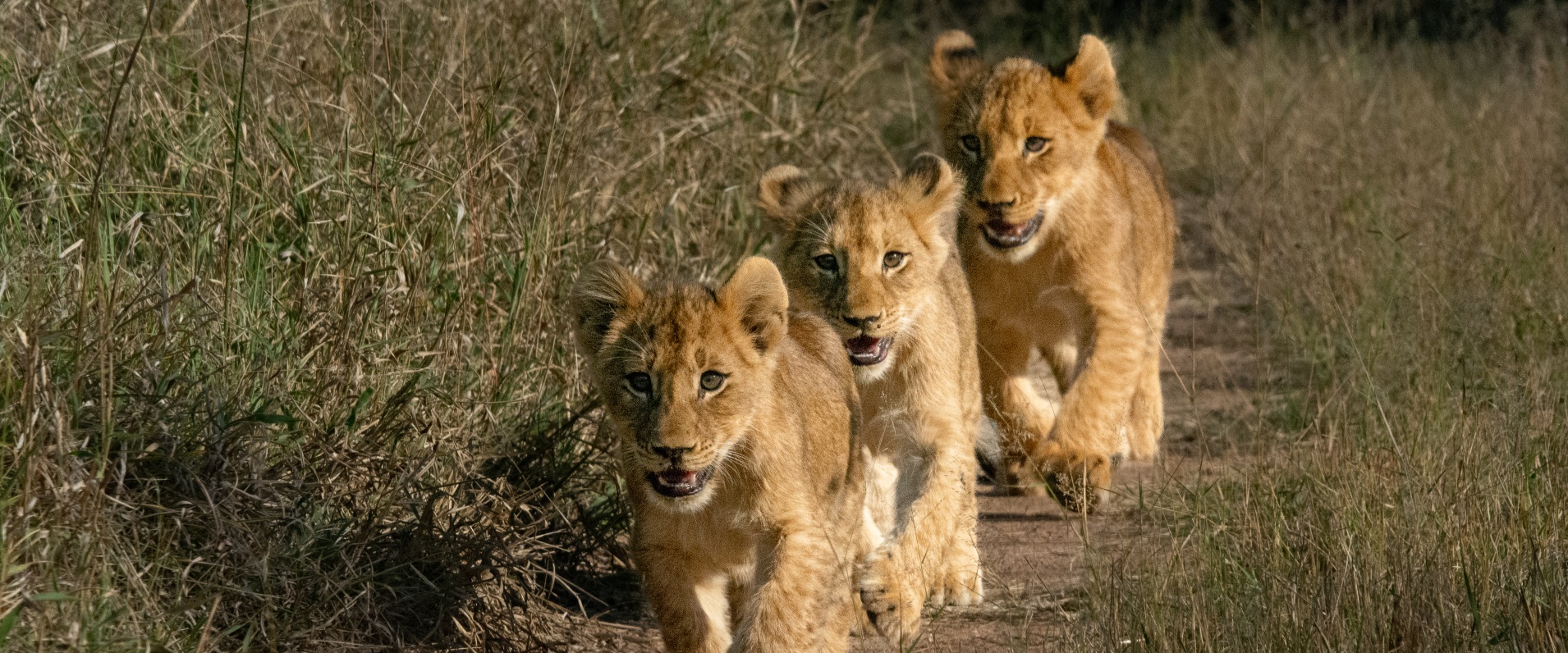
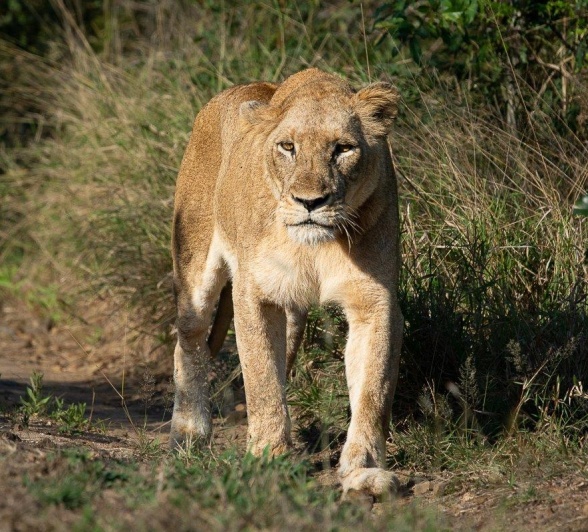
We followed the tracks for what felt like forever and just as we wanted to give up, there she was! The beautiful Southern Pride female walking very fast through the bush. We followed her wondering why she was walking with such pace and that's when we heard her faint contact call for her three young cubs. We heard the cubs answering and before we knew it, there they were walking through the thick grass towards their mother.
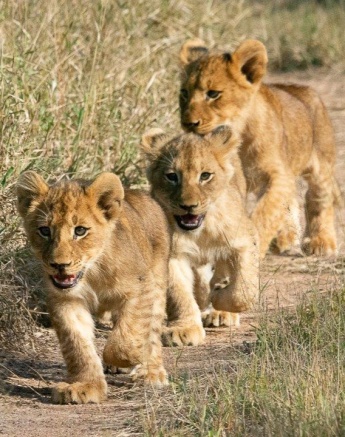
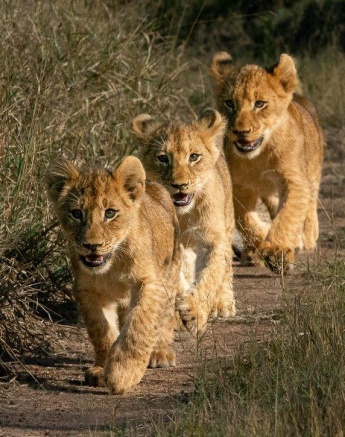
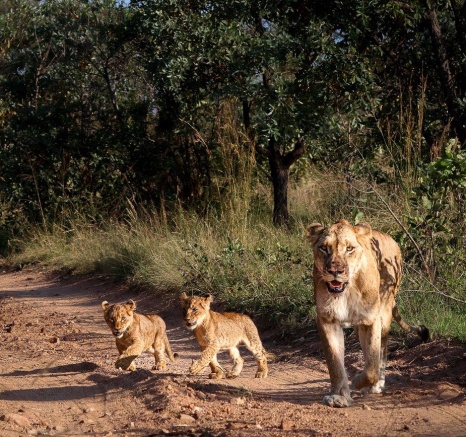
The newest editions to the Southern Pride have been a safari highlight. We have been treated to incredible sightings of them and the three older females. In this particular sighting, the Southern Pride females caught a kudu and were all feasting on it.
Lion cubs will start eating meat at about two to three months old but still rely a lot on drinking milk from their mother. With everyone’s bellies full, they rested in the shade as the cubs snuggled against their mom and older siblings.
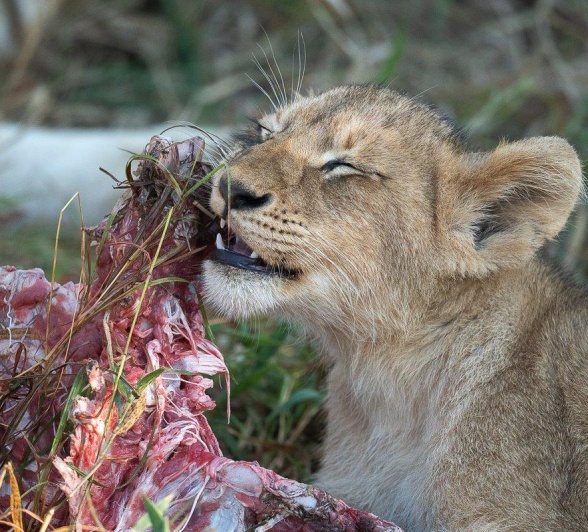
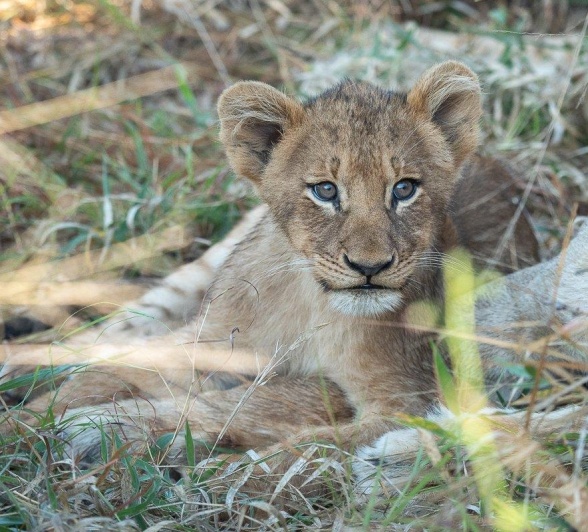
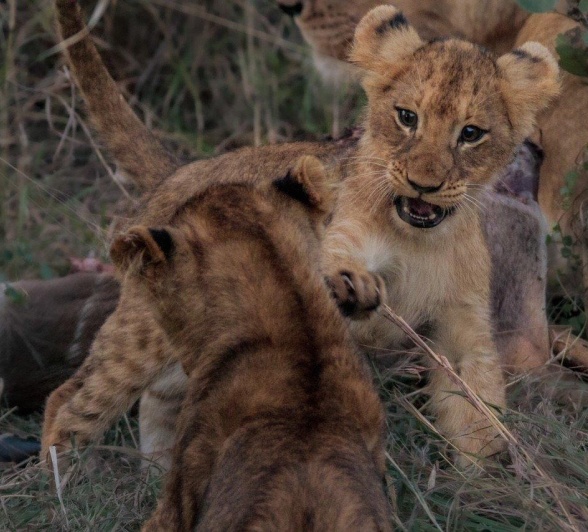
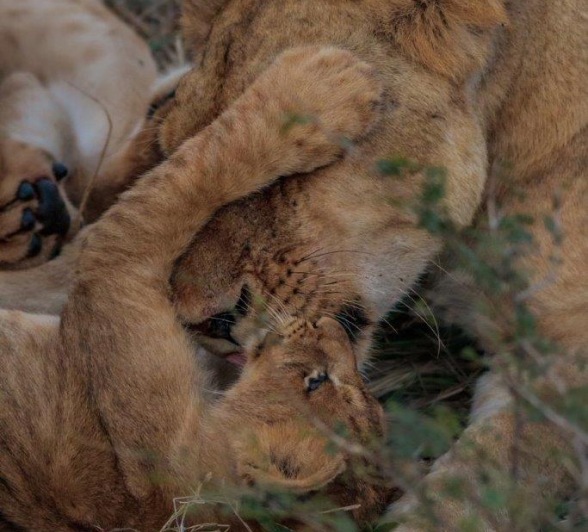
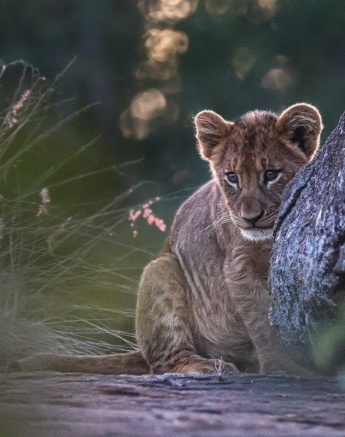
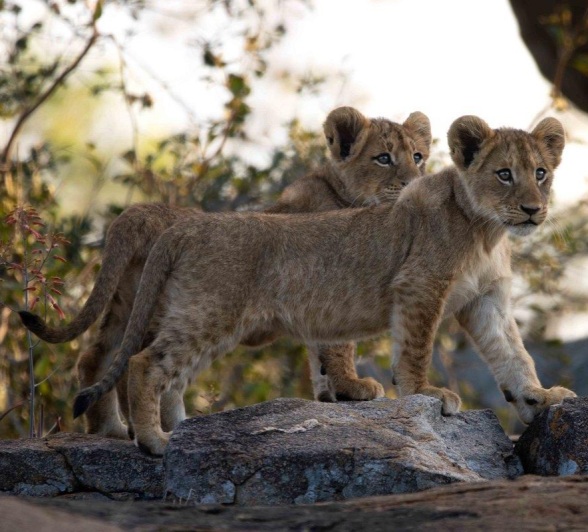
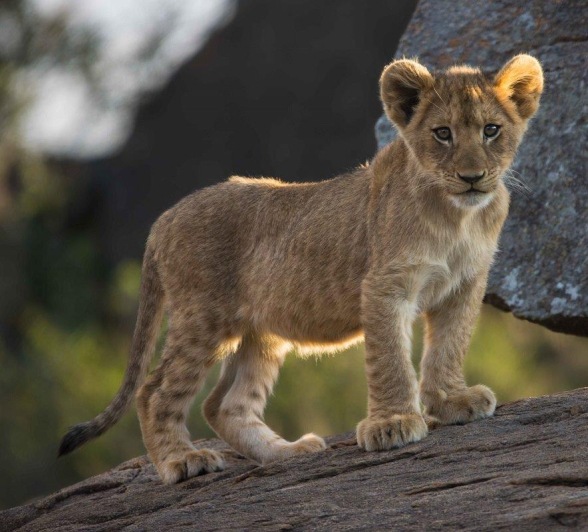
On a warm afternoon, we made our way past a big rocky ridge in the southern sector of the reserve when we spotted movement on the big rocks. Not having any idea what to expect we made our way in and with the bright afternoon sun shining directly in our eyes we saw the beautiful young cubs of the Southern Pride female.
We watched through the sunlight as the three little ones would play around and not miss a chance to try and wake up their sleeping mother on the rock lying peacefully in the sun. The cubs would stalk one another and play around with sticks and their mother’s tail before moving amongst the big rocks and out of view.
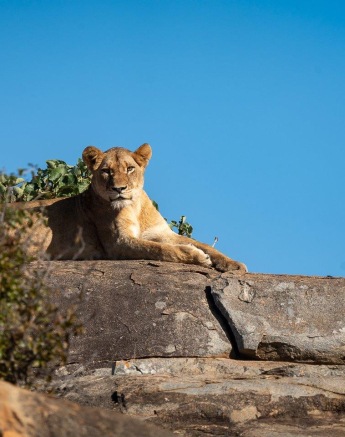
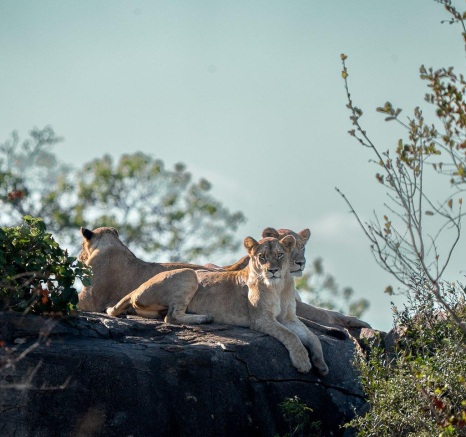
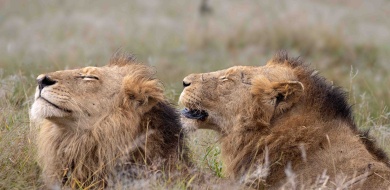
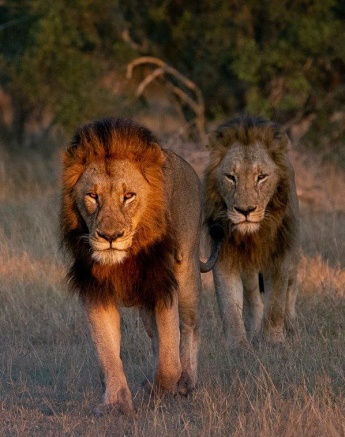
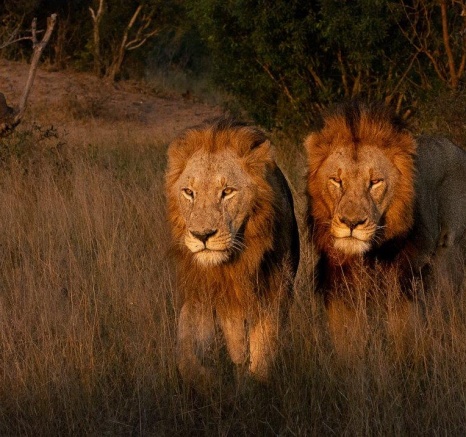
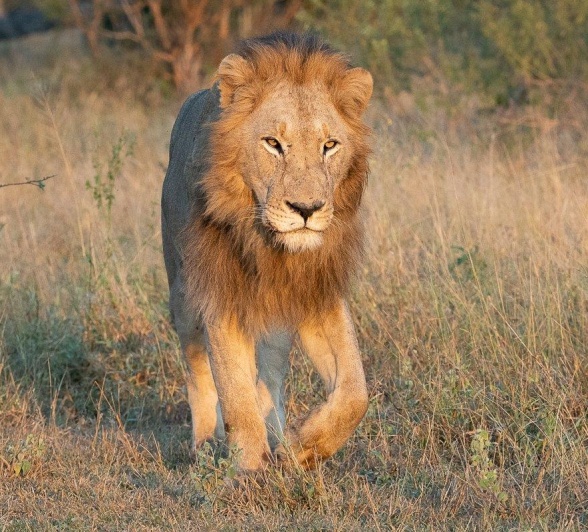
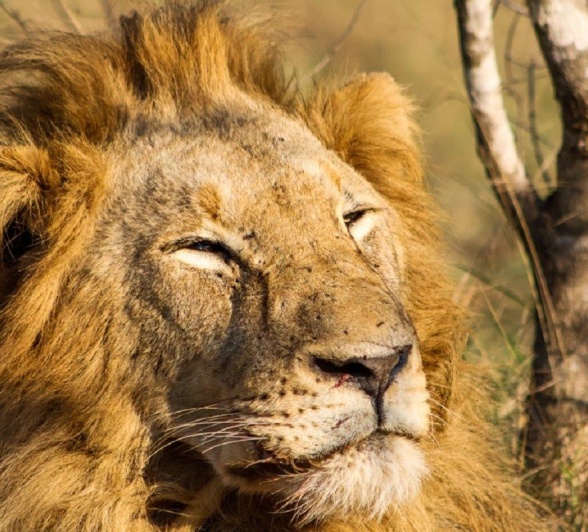
The Gijima males were again seen with the Styx Pride. The Styx females have not yet completely accepted the males, as they will growl and run away from the males occasionally. The two very persistent males stood their ground as they vocalised to stamp their authority.
Male lions who possess a territory will make it known to other male lions, as well as female lions, that this is their territory. Only time will tell if the Styx Pride females accept the Gijima males as their protectors.
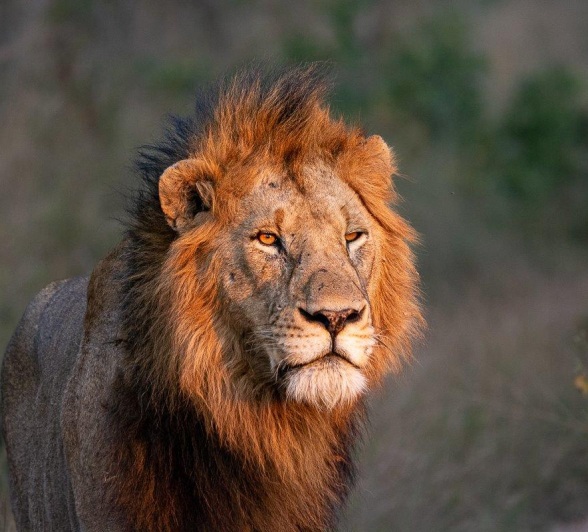
Our morning safari started well after finding fresh lion tracks not far from Selati Camp. After a quick inspection, we determined in which direction the two male lions were moving and began to follow.
The tracks indicated that the lions were marking territory as they went, which indicated they were on a territorial patrol. With every corner we turned, we could feel that we were getting closer and closer to the lions. Eventually we found the two beautiful Gijima males taking a short break in the middle of the road. Not stopping for too long, they continued the important task to mark their territory. We followed them over quite a distance to where they finally picked a spot to lie down for the rest of the morning.
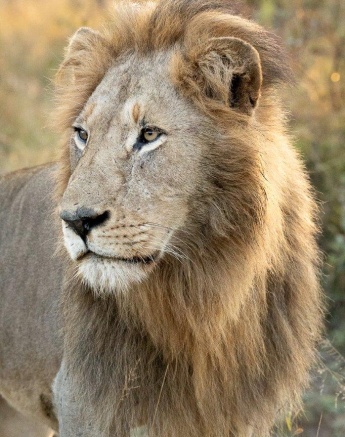
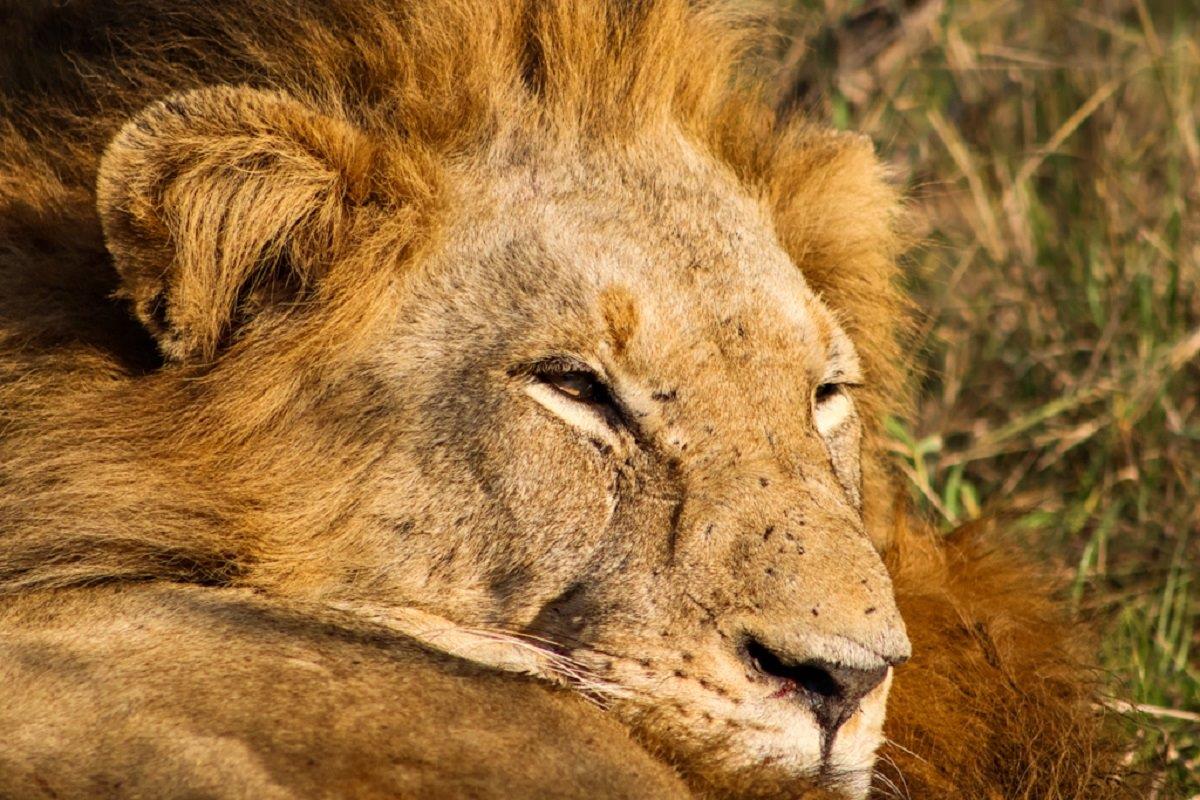
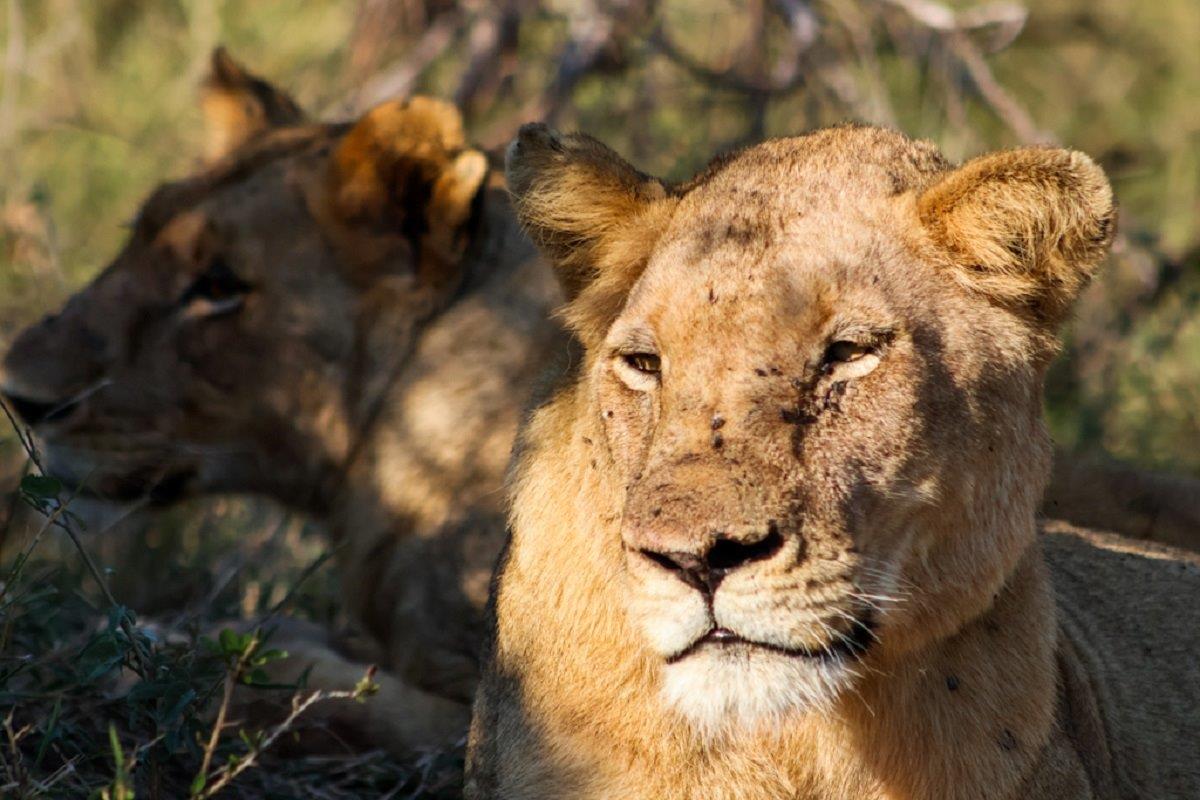
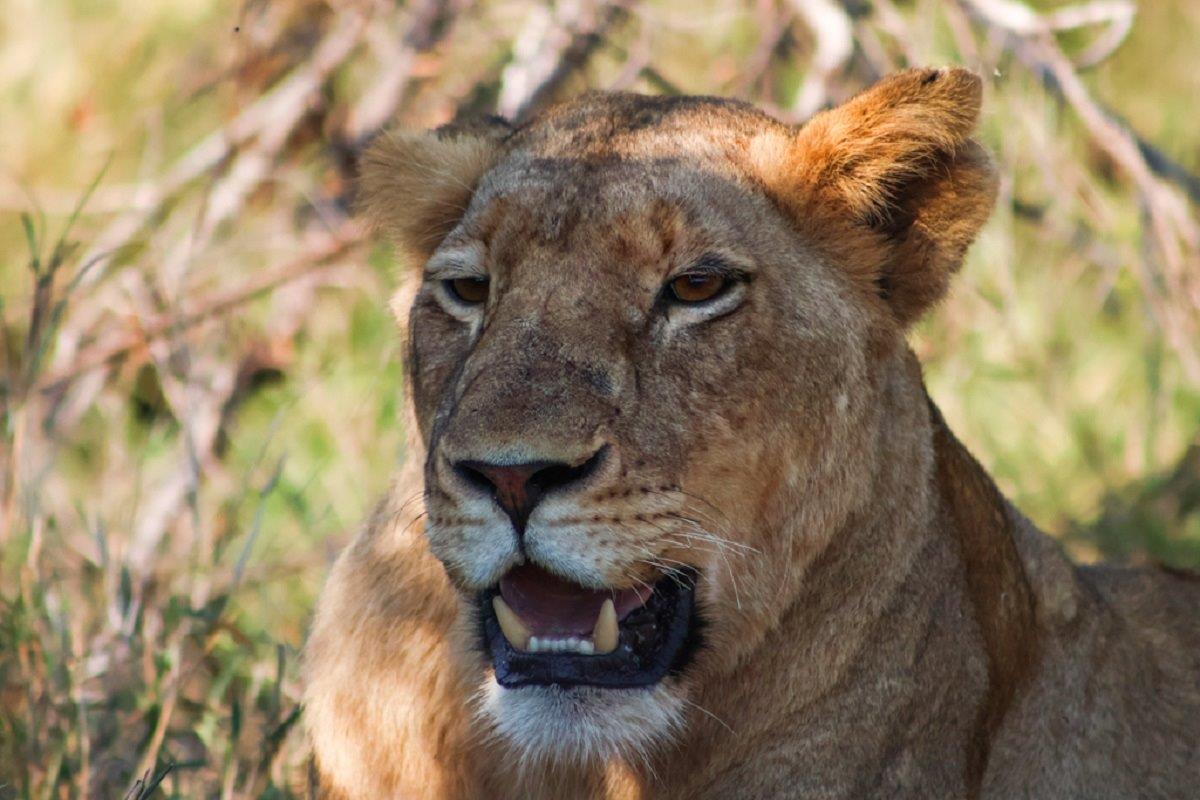
After reports of a lion pride on a kill came through on the radio, we made our way into the area very excited to see what happened during the evening. We found three of the Styx Pride individuals - the two adult females with one sub-adult female - as they were lying in the shade panting heavily after finishing what looked like the remains of a Blue Wildebeest. These lions will spend the rest of their day hiding away in the shade digesting most of the meat they have devoured throughout the evening.
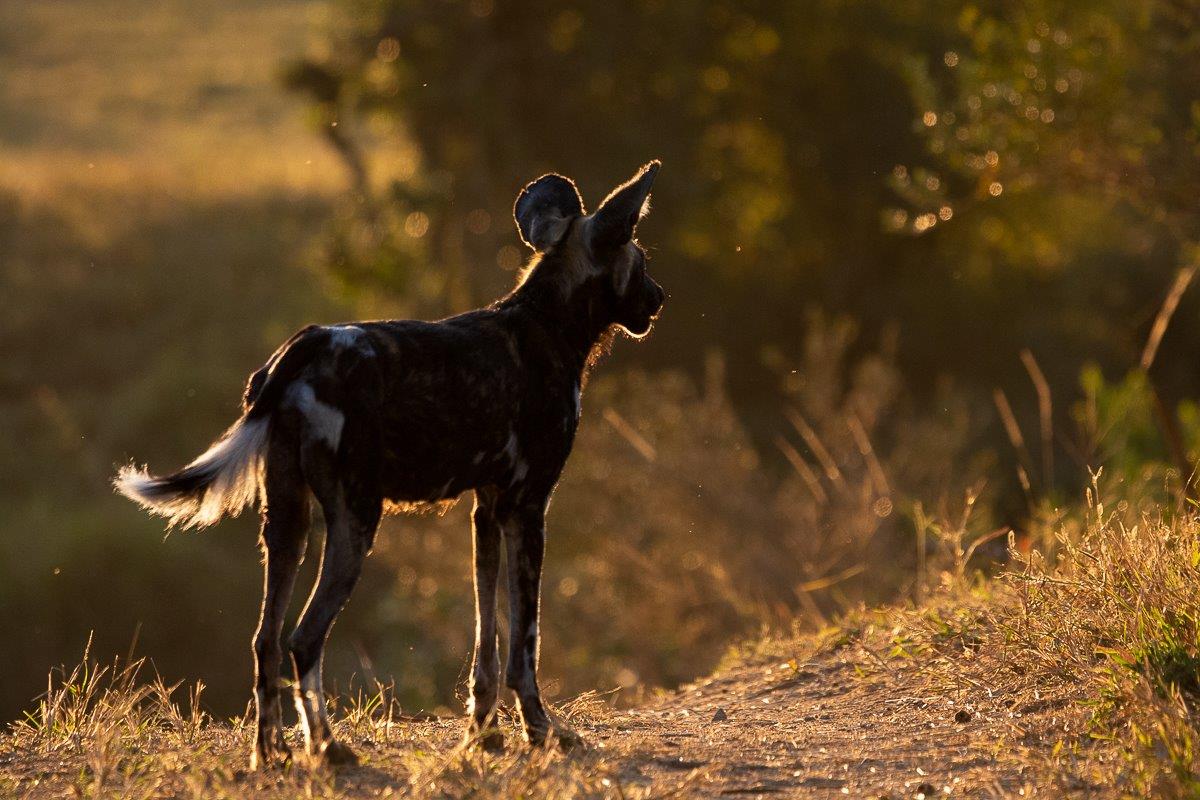
We found two Wild Dogs during our afternoon safari as they were resting in a Tamboti thicket. It didn’t take long before they took off and started searching for any potential prey. They stopped occasionally to listen for any sounds around them and then carried on again. As the sun started to set, a beautiful scene was created with the sun behind the Wild Dogs.
Last but certainly not least…
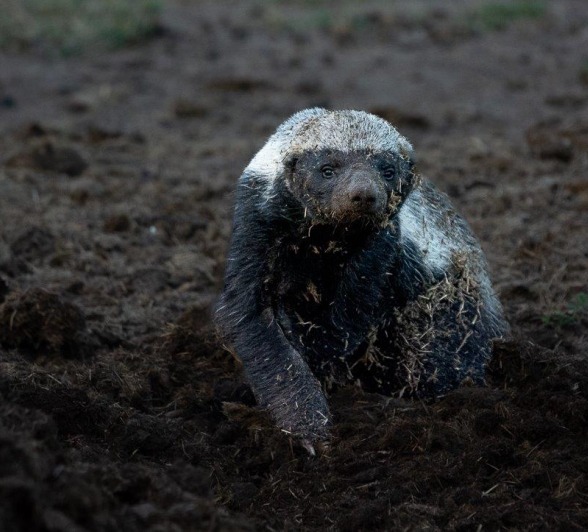
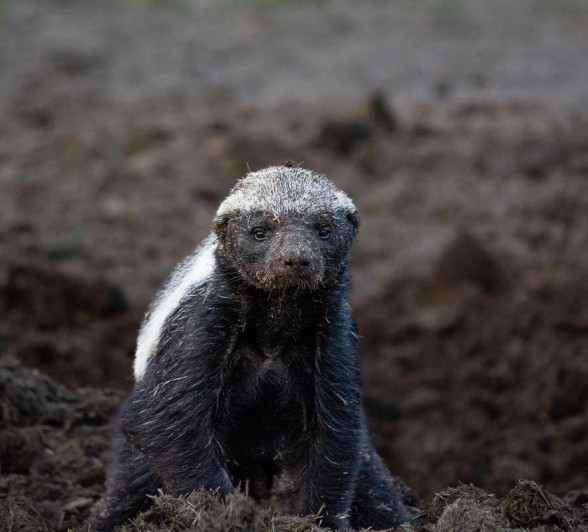
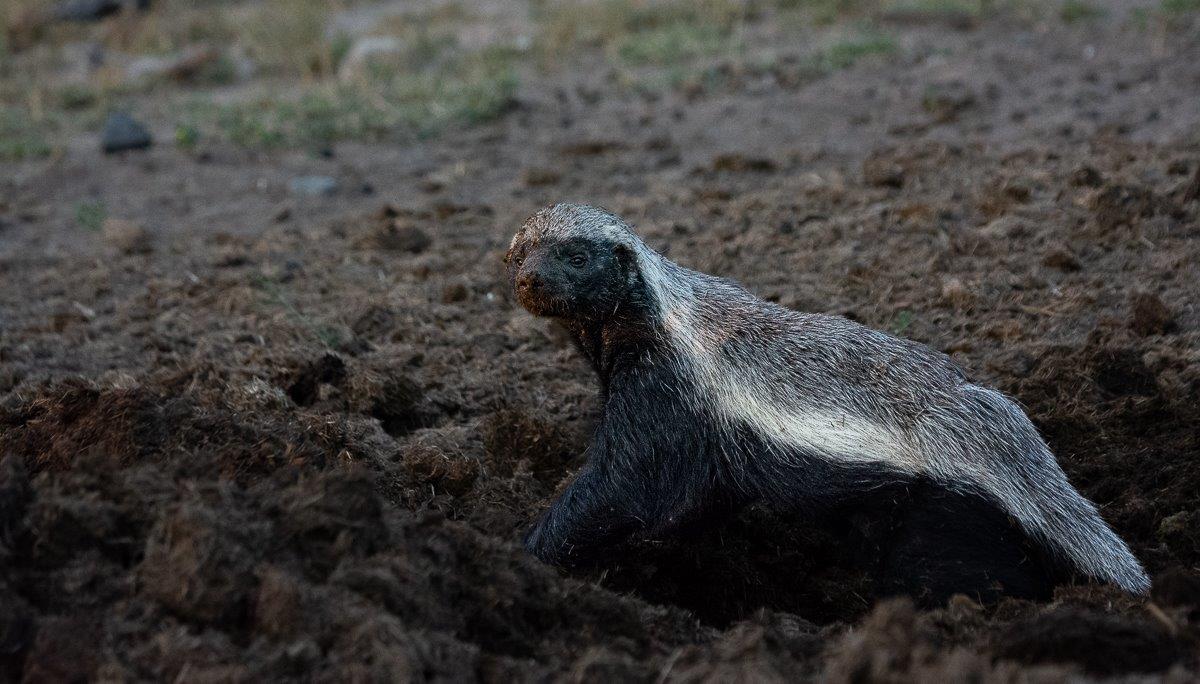
On our afternoon safari, as the sun started to set, we found a Honey Badger close to the road. We were fortunate to spend a good 30 minutes with this elusive animal as it was digging through some rhino dung, searching for any Dung Beetle larvae. Spending this much time with an animal that will usually scurry away from the sound of an approaching vehicle is always a bonus!
A Honey Badger’s diet varies as they feed on meat and vegetable matter. This includes insects, eggs, plants, roots, bulbs, snakes, other reptiles, and smaller mammals, and they will even dig through dung to find something to eat.
Until next time…
Blog by Wendy Claase
Images by Coenraad Stapelberg, Daniel Greyvenstein, Devon Jansen, JP van Rooyen, Macs Toich, Ronald Mutero and Ruan Mey